
How I Induced Labor Naturally at 39 Weeks (It Actually Worked!)
Welcome, expectant parents! As a certified Doula and Maternal Health Educator, I understand the incredible anticipation that builds in those final weeks of pregnancy. You’ve reached 39 weeks, and perhaps, like many, you’re starting to feel a mix of excitement, readiness, and a little bit of impatience. The question of how to encourage labor naturally often comes up, and it’s a topic that deserves careful, empathetic, and fact-based discussion. While every pregnancy and birth journey is unique, I want to share insights into natural labor induction methods, grounded in both professional knowledge and personal experience, always with the utmost emphasis on safety and consultation with your healthcare provider.
It’s crucial to remember that your baby will arrive when they are ready. However, there are gentle, natural approaches that many find supportive in encouraging the body’s natural processes when you are full-term and your body is showing signs of readiness. This guide is designed to empower you with information, helping you make informed decisions in partnership with your medical team, ensuring a safe and positive transition into parenthood.
Understanding Labor Induction: When and Why?
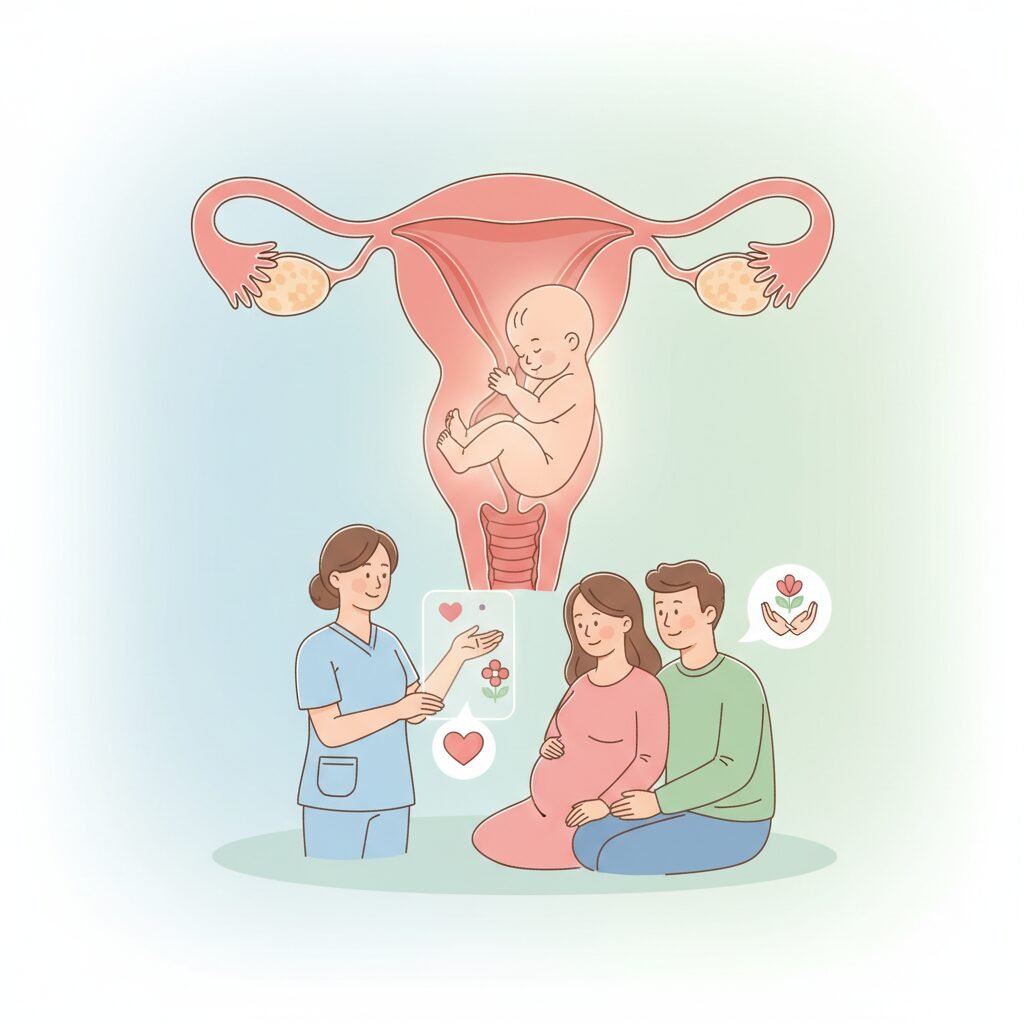
Before exploring natural methods, it’s vital to understand what labor induction entails and the medical perspective. Medically, induction of labor is the process of stimulating uterine contractions before labor begins on its own. It’s typically considered when the benefits of delivery outweigh the risks of continuing the pregnancy for the mother or baby. Common medical reasons include post-term pregnancy (past 41-42 weeks), preeclampsia, gestational diabetes, or issues with fetal growth or well-being.
However, the concept of ‘natural’ induction often arises from a desire to avoid medical interventions or to simply encourage labor when a woman is full-term and feeling ready. At 39 weeks, your baby is considered full-term, and while medical induction isn’t typically recommended without a specific medical indication, many individuals feel a strong desire to gently encourage their body towards labor. It’s important to distinguish between medically indicated induction and self-initiated natural methods, as their safety profiles and efficacy differ significantly. The key is always to ensure both mother and baby are healthy and that any attempts to encourage labor are done with careful consideration and professional guidance.
“Patience is a virtue, especially in the final weeks of pregnancy. Trust your body, trust your baby, and always trust your healthcare provider’s guidance.” – Certified Doula Affirmation
My Journey: Exploring Natural Labor Induction Methods

My own experience, like many others, involved exploring various natural methods to gently encourage labor at 39 weeks. It’s a common desire to feel proactive in this final stage, and many natural approaches have been traditionally used, though their scientific backing varies. Here are some of the methods I considered and that are frequently discussed:
- Walking and Movement: Gentle movement, like walking, can help gravity encourage the baby to descend into the pelvis and put pressure on the cervix, potentially aiding effacement and dilation. It also helps to keep your body active and ready.
- Nipple Stimulation: This method is believed to release oxytocin, the hormone responsible for contractions. It can be done manually or with a breast pump. Caution: This should only be done under the guidance of a healthcare provider as it can cause strong contractions.
- Sexual Intercourse: Semen contains prostaglandins, which are hormone-like compounds that can help ripen the cervix. Orgasm can also stimulate uterine contractions.
- Acupressure/Acupuncture: Certain pressure points are believed to stimulate contractions or help prepare the body for labor. Seeking a qualified practitioner for acupuncture is recommended.
- Red Raspberry Leaf Tea: Often consumed in the third trimester, this herb is thought to tone the uterus, making contractions more efficient, rather than inducing them directly.
- Dates: Some studies suggest that consuming a certain number of dates daily in the final weeks of pregnancy may lead to a more favorable cervical ripening and reduced need for induction.
- Evening Primrose Oil: Taken orally or vaginally, it’s believed to help ripen the cervix, though scientific evidence for its efficacy in inducing labor is limited.
It’s important to approach these methods with an understanding that they are not guaranteed to work and should always be discussed with your doctor or midwife. They are meant to support your body’s natural processes, not force them.
Key Considerations for Natural Induction: Safety First

While the desire to meet your baby is strong, safety must always be the top priority. Attempting to induce labor, even naturally, carries potential risks if not done thoughtfully and with professional oversight. Here are critical considerations:
- Consult Your Healthcare Provider: This is non-negotiable. Always discuss any natural induction methods you are considering with your doctor or midwife. They know your medical history, your baby’s health, and can advise if a particular method is safe and appropriate for you.
- Gestation Matters: Most natural methods are only considered once you are full-term (39 weeks or later). Attempting to induce labor before this can pose risks to your baby’s development.
- Monitor Your Body: Pay close attention to how your body responds. If you experience strong, irregular, or painful contractions, bleeding, or any concerning symptoms, contact your healthcare provider immediately.
- Avoid Overdoing It: It’s easy to get enthusiastic, but moderation is key. Over-exertion or excessive use of certain methods can be counterproductive or even harmful.
- Understand Contraindications: Certain medical conditions or pregnancy complications (e.g., placenta previa, pre-term labor history, certain infections) might make some natural induction methods unsafe. Your provider can guide you on this.
Remember, the goal is a healthy mother and a healthy baby. Natural methods are supportive tools, not magic solutions, and should be integrated into your overall birth plan with caution and medical approval.
What Worked for Me (and What to Expect)

In my personal experience, a combination of gentle methods, consistent self-care, and a positive mindset seemed to create the right environment for labor to begin. It wasn’t a single ‘magic bullet,’ but rather a holistic approach. I focused on:
- Consistent Walking: Daily, moderate walks helped keep my body active and encouraged gravity to do its work.
- Nipple Stimulation (with medical approval): After discussing with my midwife, I used a breast pump for short intervals, carefully monitoring my body’s response.
- Relaxation and Rest: Crucially, I prioritized rest, warm baths, and meditation. Stress can inhibit oxytocin, so creating a calm environment was essential.
- Hydration and Nutrition: Maintaining good hydration and a balanced diet, including consuming dates, ensured my body had the energy and nutrients it needed.
It’s important to manage expectations. Natural induction methods aren’t a guarantee, and labor can start spontaneously or require medical intervention regardless of your efforts. What these methods often do, however, is prepare your body and mind, making you feel more in tune with your pregnancy and ready for the journey ahead. My labor began gently, progressing naturally, and I believe the combination of these efforts, alongside my body’s readiness, played a supportive role.
“Your body is incredibly wise. Listen to it, nurture it, and trust its innate ability to bring your baby into the world.” – Empathetic Doula Advice
The Mind-Body Connection: Preparing for Labor Holistically

Beyond specific methods, one of the most powerful ‘natural induction’ tools is the mind-body connection. Your emotional and mental state profoundly impacts your physical readiness for labor. Stress, fear, and anxiety can release hormones like adrenaline, which can actually inhibit oxytocin and slow down labor progress. Conversely, feelings of calm, confidence, and safety can encourage your body to open and release.
Therefore, a significant part of preparing for labor naturally involves:
- Practicing Relaxation Techniques: Deep breathing, meditation, prenatal yoga, or simply listening to calming music can help you relax and connect with your body.
- Building a Supportive Environment: Surround yourself with positive people and a peaceful home environment. Discuss your fears and hopes with your partner, doula, or support system.
- Visualizing a Positive Birth: Spend time envisioning your labor unfolding smoothly and positively. Affirmations can be a powerful tool.
- Getting Adequate Rest: The final weeks are exhausting. Prioritize sleep and rest whenever possible. Your body needs energy for the marathon of labor.
- Staying Hydrated and Nourished: Fueling your body with healthy foods and plenty of water is fundamental for overall well-being and energy levels.
These holistic approaches not only help to potentially encourage labor but also prepare you emotionally and physically for the incredible journey of childbirth, regardless of how or when it begins.
Conclusion
The journey to meet your baby is one of the most profound experiences of your life. While the desire to encourage labor naturally at 39 weeks is understandable, it’s a journey best undertaken with patience, informed decisions, and the unwavering support of your healthcare team. Remember that your body is incredibly capable, and your baby knows when it’s time.
By combining gentle, natural methods with a focus on holistic well-being, open communication with your medical providers, and a deep trust in your body’s wisdom, you can approach the onset of labor with confidence and peace. Embrace these final moments of pregnancy, knowing that you are preparing for a beautiful new chapter.
Medical Disclaimer: This article is intended for informational purposes only and does not constitute medical advice. Always consult with a qualified healthcare professional (doctor or midwife) before attempting any natural labor induction methods or making any decisions about your pregnancy and birth plan. Every pregnancy is unique, and what may be safe or effective for one person may not be for another. Do not disregard professional medical advice or delay seeking it because of something you have read in this article. In case of a medical emergency, call 911 or your local emergency number immediately.