

Are Bach Flower Remedies Safe for Pregnancy Emotions? A Complete Guide
Pregnancy is a miraculous journey, often filled with immense joy and anticipation. Yet, it’s also a period of profound physical, hormonal, and emotional changes that can leave expectant parents feeling overwhelmed, anxious, or simply out of sorts. As you prepare for the arrival of your little one, nurturing your emotional health is just as crucial as tending to your physical well-being. Many individuals turn to holistic and natural approaches to find balance during this transformative time.
Among these, Bach Flower Remedies have gained popularity for their gentle approach to addressing emotional imbalances. Developed by Dr. Edward Bach in the 1930s, these remedies are designed to support emotional well-being by targeting specific negative emotional states. But for couples trying to conceive, new dads, and especially new parents navigating pregnancy, a critical question arises: Are Bach Flower Remedies safe for pregnancy emotions?
As a certified Doula and Maternal Health Educator, I understand the importance of making informed choices for your health and your baby’s. This complete guide will delve into the world of Bach Flower Remedies, exploring their nature, their potential role in supporting pregnancy emotions, and most importantly, providing a fact-based assessment of their safety during this sensitive period. Our aim is to equip you with the knowledge to make confident and empathetic decisions for your emotional health throughout your pregnancy journey.
Understanding Bach Flower Remedies: A Gentle Approach to Emotional Balance
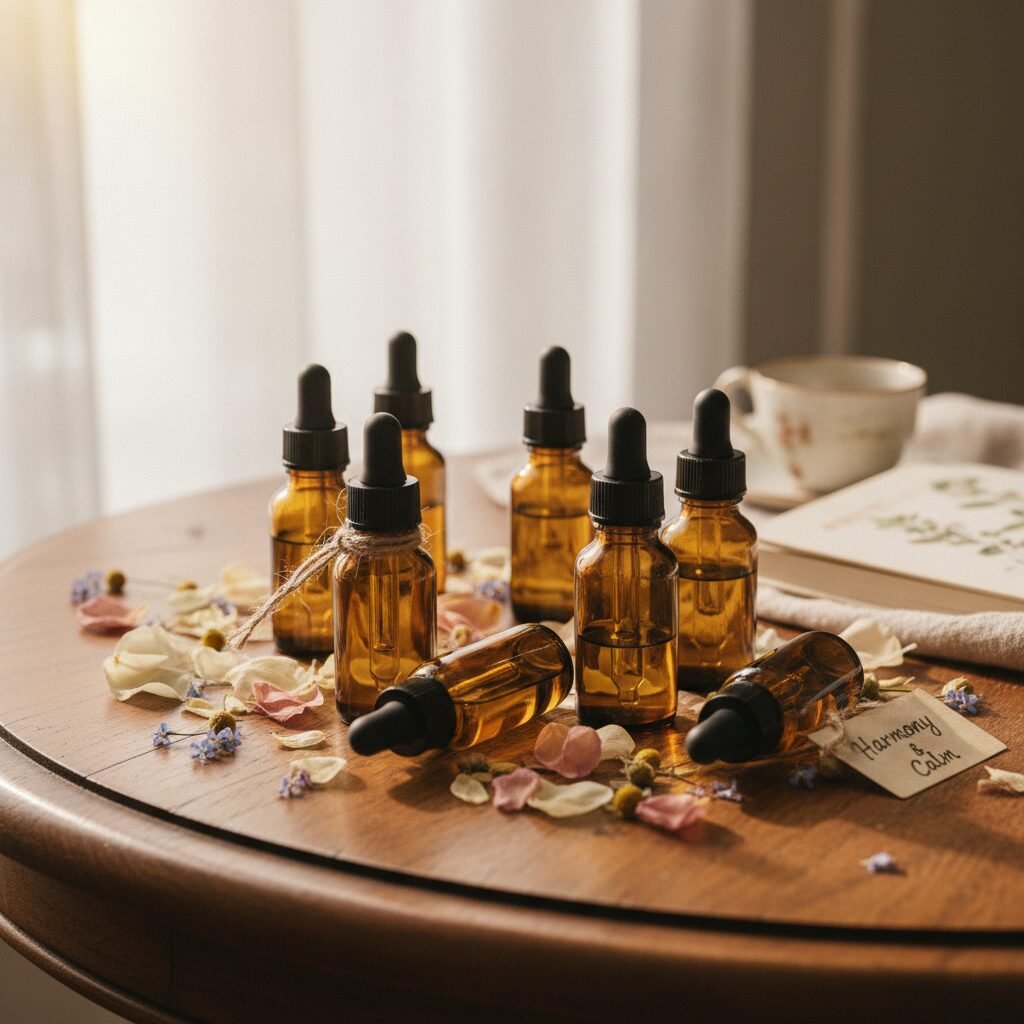
To assess the safety and efficacy of Bach Flower Remedies, it’s essential to first understand what they are and how they work. Dr. Edward Bach, a British physician and homeopath, believed that physical illness was often a manifestation of emotional imbalance. He dedicated his life to finding natural remedies that could address these underlying emotional states, leading to the discovery of 38 flower essences, each corresponding to a specific human emotion or personality trait.
The Philosophy Behind the Remedies
Dr. Bach’s philosophy was rooted in simplicity and gentleness. He believed that by treating the individual’s emotional state, rather than the physical symptoms, true healing could occur. The remedies are not intended to treat physical ailments directly but rather to help balance negative emotions such as fear, anxiety, impatience, despair, or overwhelm, allowing the body’s natural healing capabilities to function more effectively.
How Bach Flower Remedies Are Made
The remedies are prepared using a method of sun infusion or boiling, where the flowers are placed in spring water and then preserved with brandy (alcohol). This creates a ‘mother tincture.’ From this mother tincture, stock bottles are prepared, which are then further diluted to create the dosage bottles typically found in stores. The extreme dilution means that, similar to homeopathic remedies, the final product contains only a minute energetic imprint of the flower, rather than any significant material substance of the plant itself. This distinction is crucial when discussing their safety profile.
“True healing comes from within, when we are in harmony with our souls and our purpose.” – Dr. Edward Bach
The 38 remedies cover a wide spectrum of emotional states, from the common anxieties of daily life to deeper feelings of despondency or intolerance. They are designed to be safe, non-toxic, and non-habit-forming, making them an appealing option for those seeking a gentle form of emotional support.
The Emotional Landscape of Pregnancy: Why Support Matters

Pregnancy is a period of profound transformation, extending far beyond the physical. The emotional journey can be as complex and varied as the physical changes occurring within your body. For many expectant parents, understanding and managing these emotions is a significant part of prenatal care.
Common Emotional Shifts During Pregnancy
- Hormonal Fluctuations: The surge and ebb of hormones like estrogen and progesterone can lead to mood swings, irritability, and heightened sensitivity. These are natural responses to the body’s incredible work.
- Anxiety and Fear: Concerns about childbirth, the baby’s health, becoming a parent, financial implications, and changes in relationship dynamics are common. It’s normal to feel a degree of apprehension.
- Overwhelm and Stress: The sheer volume of information, decisions, and preparations can feel daunting. From choosing baby names to setting up the nursery, the ‘to-do’ list can be endless.
- Identity Shift: Transitioning into parenthood is a significant life change. Expectant parents, including new dads, may grapple with questions of identity, career, and personal freedom.
- Fatigue and Exhaustion: Physical tiredness, especially in the first and third trimesters, can significantly impact mood and emotional resilience.
- Excitement and Joy: Alongside the challenges, there’s immense joy, excitement, and a deep sense of connection to the growing life within. These positive emotions are also part of the rich tapestry of pregnancy.
Acknowledging and validating these feelings is the first step towards healthy emotional management. Suppressing emotions can lead to increased stress, which has been linked to potential impacts on both maternal and fetal well-being. Seeking support, whether through open communication with your partner, connecting with other parents, therapy, or gentle remedies, is a sign of strength and self-care.
“Your emotional well-being is not a luxury during pregnancy; it is a fundamental component of a healthy pregnancy for both you and your baby.” – A Doula’s Affirmation
Supporting emotional health during pregnancy creates a more nurturing environment for the developing baby and helps prepare parents for the challenges and joys of parenthood. It’s about building resilience and fostering a sense of inner peace amidst life’s biggest adventure.
Safety First: Examining Bach Flower Remedies in Pregnancy

The paramount concern for any expectant parent considering a remedy, natural or otherwise, is its safety for both mother and baby. When it comes to Bach Flower Remedies, their unique preparation method is key to understanding their safety profile during pregnancy.
The Dilution Factor: Minimal to No Active Ingredients
Unlike herbal medicines that contain measurable concentrations of plant compounds, Bach Flower Remedies are extremely diluted. The ‘energetic imprint’ philosophy means that the final dosage bottle contains virtually no physical plant material. This ultra-dilution is the primary reason why they are generally considered non-toxic and free from pharmacological effects, making them distinct from traditional herbal remedies which can have active constituents that may interact with medications or have contraindications in pregnancy.
Addressing the Alcohol Content
A common concern is the alcohol content used as a preservative in the stock bottles (typically brandy). However, when preparing a dosage bottle, only two drops of the stock remedy are added to a 30ml dropper bottle filled with spring water. When taking the recommended four drops from this dosage bottle, the amount of alcohol consumed is negligible – often less than what is found in a ripe banana or a slice of bread. For those who are highly sensitive to alcohol or prefer to avoid it entirely, the drops can be placed in hot water, allowing the alcohol to evaporate, or purchased in glycerin-based formulations (though these are less common for all 38 remedies).
Lack of Known Side Effects or Interactions
Due to their highly diluted nature, Bach Flower Remedies do not have known physiological side effects or interactions with medications. They are not intended to suppress symptoms but rather to gently rebalance emotional states. This means they can be safely used alongside conventional medical treatments, prenatal vitamins, and other therapies without concern for adverse reactions.
| Aspect | Bach Flower Remedies | Traditional Herbal Remedies |
|---|---|---|
| Active Ingredients | Energetic imprint, no material plant substance | Concentrated plant compounds |
| Mechanism of Action | Addresses emotional imbalances gently | Direct physiological effect on the body |
| Dilution | Highly diluted (similar to homeopathy) | Not diluted; potent plant extracts |
| Alcohol Content | Minimal in dosage bottles (negligible) | May be alcohol-extracted or alcohol-based tinctures |
| Safety in Pregnancy | Generally considered safe due to dilution and lack of physiological effect, but consult professional | Requires careful review for specific plant compounds, dosages, and contraindications in pregnancy |
| Interactions | No known interactions with medications | Potential for drug interactions and side effects |
The Importance of Professional Consultation
While Bach Flower Remedies are widely considered safe, it is always paramount to inform your healthcare provider (OB/GYN, midwife, or primary care physician) about any natural remedies or supplements you are considering or using during pregnancy. They can provide personalized advice based on your individual health history and current medical conditions. A certified Bach Flower Practitioner can also offer expert guidance on selecting the most appropriate remedies for your specific emotional needs.
“In pregnancy, every choice regarding your health should be made with thoughtful consideration and, ideally, in consultation with your trusted healthcare team.” – Maternal Health Educator Insight
The consensus among many maternal health professionals and the Bach Centre itself is that these remedies are safe to use during pregnancy, provided they are used as directed and with an understanding of their gentle, non-pharmacological nature. However, they are not a substitute for professional medical or psychological care for severe emotional distress or mental health conditions.
Navigating Common Pregnancy Emotions with Bach Flower Remedies

Bach Flower Remedies offer a nuanced approach to emotional support, with each essence targeting a specific emotional state. Understanding which remedies align with common pregnancy emotions can empower expectant parents to address their feelings proactively and gently.
Targeting Specific Emotional States:
- For Fear and Anxiety:
- Mimulus: For known fears, such as fear of childbirth, fear of pain, or fear of miscarriage.
- Aspen: For vague, unknown anxieties or premonitions, a general sense of unease without a clear cause.
- Rock Rose: For terror and panic, such as during a sudden scary moment or intense panic attacks related to pregnancy.
- For Overwhelm and Irritability:
- Elm: For feelings of being overwhelmed by responsibilities, especially common in the third trimester or for parents already raising other children.
- Impatiens: For impatience, irritability, and a feeling of being rushed or frustrated by the slower pace of pregnancy or waiting for the baby.
- For Fatigue and Despair:
- Olive: For complete mental and physical exhaustion, often due to lack of sleep, morning sickness, or the sheer effort of growing a human.
- Gorse: For feelings of hopelessness and despair, when one has given up hope of feeling better.
- For Uncertainty and Indecision:
- Scleranthus: For those who struggle with indecision, often fluctuating between two choices (e.g., natural birth vs. epidural, breastfeeding vs. bottle-feeding).
- Cerato: For those who doubt their own judgment and constantly seek advice from others.
- For General Stress and Shock:
- Rescue Remedy: This is a blend of five Bach Flowers (Star of Bethlehem, Rock Rose, Impatiens, Cherry Plum, Clematis) and is widely used for acute stress, shock, or emotional emergencies. It can be particularly helpful for moments of sudden anxiety or distress during pregnancy.
| Bach Flower Remedy | Emotion Addressed | Relevance for Pregnancy |
|---|---|---|
| Mimulus | Known fears, shyness | Fear of childbirth, specific anxieties about baby’s health, fear of the unknown aspects of parenting. |
| Aspen | Vague fears, apprehension | Unexplained anxiety, premonitions, a general sense of unease or dread without a clear cause. |
| Elm | Overwhelm, inadequacy | Feeling overwhelmed by pregnancy responsibilities, parental duties, or the magnitude of upcoming changes. |
| Impatiens | Impatience, irritability | Frustration with physical limitations, slow pace of pregnancy, or waiting for the baby’s arrival. |
| Olive | Exhaustion (mental & physical) | Profound fatigue from pregnancy symptoms, lack of sleep, or the demands of daily life while pregnant. |
| Walnut | Change, protection from influence | Adjusting to major life changes of pregnancy and parenthood, protecting against external opinions. |
| Star of Bethlehem | Shock, trauma | For emotional shock from difficult news, a traumatic birth experience in the past, or unexpected events. |
| White Chestnut | Persistent unwanted thoughts | Repetitive worries about the baby, birth, or parenting that circulate relentlessly in the mind. |
| Rescue Remedy | Acute stress, shock, emergency | For immediate moments of intense stress, panic, or emotional upset during pregnancy or labor. |
It’s important to remember that these remedies work subtly and gently. They are not intended to mask or suppress emotions but rather to help you process and move through them, restoring a sense of inner peace and equilibrium. Choosing the right remedy often involves a degree of self-reflection and honesty about your current emotional state.
How to Use Bach Flower Remedies Safely During Pregnancy
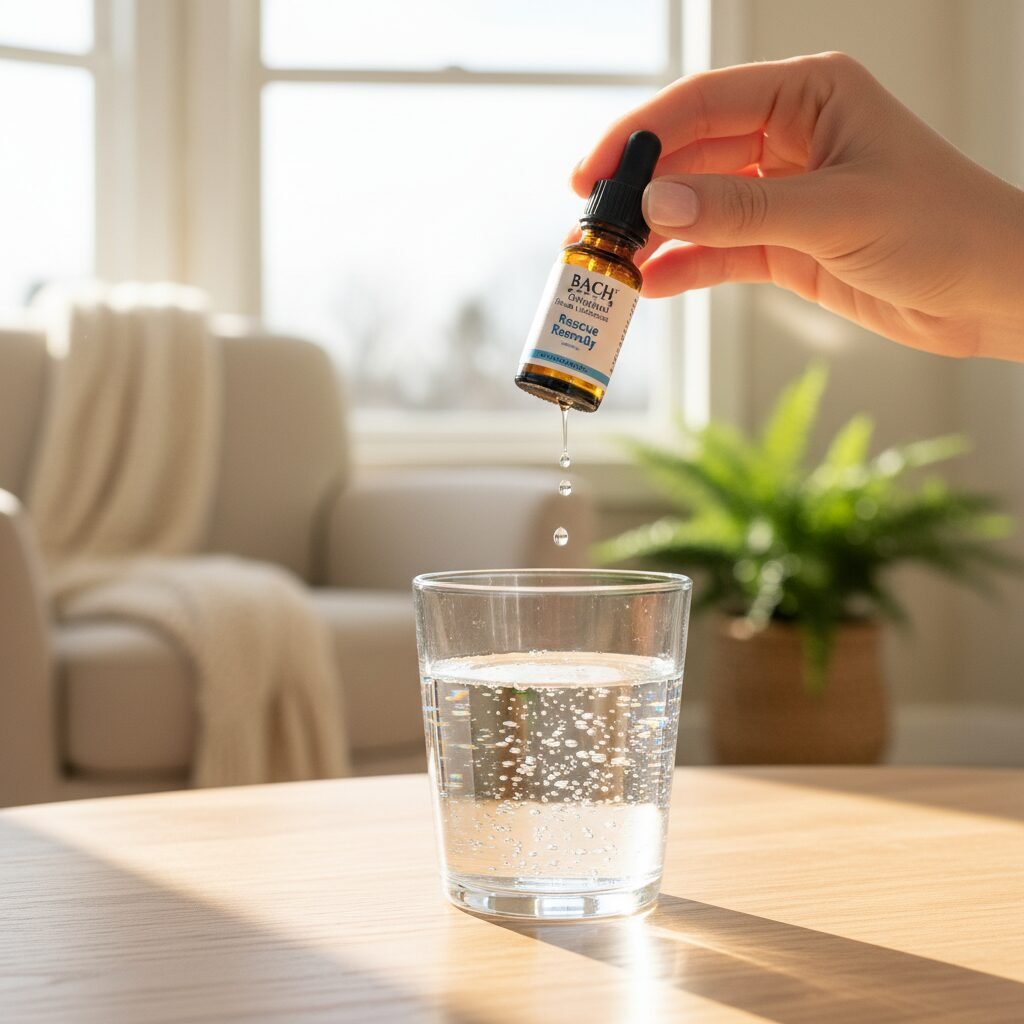
Using Bach Flower Remedies effectively and safely during pregnancy involves understanding the correct preparation, dosage, and when to seek additional support. The gentle nature of these remedies makes them relatively straightforward to incorporate into your wellness routine.
Dosage and Administration
The standard method for taking Bach Flower Remedies is to create a ‘dosage bottle.’ This involves:
- Obtaining a clean 30ml (1 oz) dropper bottle.
- Filling it almost entirely with spring water (or filtered water).
- Adding two drops of each chosen Bach Flower Remedy (from the stock bottle) to the water. If using Rescue Remedy, add four drops.
- Adding a teaspoon of brandy or apple cider vinegar as a preservative (optional, especially if you plan to finish the bottle within 2-3 weeks, or if you prefer to avoid alcohol).
From this dosage bottle, take four drops, four times a day, directly on the tongue or diluted in a glass of water. You can take them more frequently during times of acute emotional distress. Consistency is key; aim to take them regularly throughout the day for the best results.
Choosing the Right Remedies
Selecting the appropriate remedies is crucial for their effectiveness. You can choose remedies based on your current emotional state, focusing on how you feel right now. It’s often recommended to select no more than 5-7 remedies at a time to keep the focus clear. If you find it challenging to identify your core emotions, consider consulting a certified Bach Flower Practitioner. They are trained to help you pinpoint the most suitable essences for your unique emotional landscape.
Quality and Authenticity
Ensure you purchase genuine Bach Flower Remedies from reputable sources. Look for products that explicitly state they are original Bach Flower Remedies to guarantee you are receiving the authentic, traditionally prepared essences.
When to Seek Professional Medical Advice
While Bach Flower Remedies can be a wonderful support for everyday emotional fluctuations, they are not a substitute for professional medical or psychological care. It is imperative to seek the advice of your doctor, midwife, or a mental health professional if you experience:
- Persistent feelings of sadness, hopelessness, or despair.
- Severe anxiety or panic attacks that interfere with daily life.
- Thoughts of harming yourself or your baby.
- Inability to cope with daily tasks.
- Any symptoms of depression, anxiety disorders, or other mental health conditions.
Your healthcare provider can assess your situation, offer a diagnosis, and recommend appropriate treatments, which may include therapy, medication, or other supportive interventions. Bach Flower Remedies can often be used as a complementary tool alongside these professional treatments, but never as a replacement.
“Holistic well-being during pregnancy means embracing all forms of support – from the gentle wisdom of nature to the invaluable expertise of medical professionals.” – A Supportive Guideline for Expectant Parents
Empowering yourself with knowledge and understanding about all available options, and knowing when to reach out for specialized help, is a testament to your commitment to a healthy and happy pregnancy.
Conclusion: Embracing Emotional Balance with Informed Choices

Navigating the emotional currents of pregnancy is a unique and deeply personal journey for every expectant parent. The desire to find gentle, safe, and effective ways to support emotional well-being is entirely natural and commendable. Bach Flower Remedies, with their philosophy rooted in addressing emotional imbalances through highly diluted flower essences, offer a compelling option for many.
Our exploration confirms that Bach Flower Remedies are generally considered safe for use during pregnancy due to their extreme dilution, which means they contain no significant material plant substance and negligible alcohol in their dosage form. They have no known side effects or interactions with medications, making them a gentle complementary tool for managing common pregnancy emotions like anxiety, overwhelm, impatience, and fatigue.
However, the cornerstone of all health decisions during pregnancy remains open communication with your healthcare provider. Always inform your doctor or midwife about any remedies you are considering. While Bach Flower Remedies can provide subtle support for emotional shifts, they are not a substitute for professional medical or psychological care, especially for more severe or persistent emotional distress. Building a strong support system, including your partner, family, friends, and healthcare team, is paramount.
As you prepare to welcome your little one, remember that nurturing your emotional health is a powerful act of self-care that benefits both you and your baby. Whether through Bach Flower Remedies, mindfulness, therapy, or simply connecting with your support network, choosing to address your emotions with empathy and informed decisions is a beautiful step towards a balanced and joyful pregnancy journey.
Medical Disclaimer:
The information provided in this article is for educational purposes only and is not intended as medical advice. It is not a substitute for professional medical advice, diagnosis, or treatment. Always seek the advice of your physician or other qualified health provider with any questions you may have regarding a medical condition. Never disregard professional medical advice or delay in seeking it because of something you have read in this article. The safety and efficacy of Bach Flower Remedies have not been evaluated by the Food and Drug Administration.