Why You’re Shaking Uncontrollably After Birth (and How to Warm Up Fast)
The moment your baby arrives is a whirlwind of profound emotion, exhaustion, and elation. You’ve just completed one of life’s most incredible marathons. But as the initial adrenaline surge begins to fade, you might experience something unexpected and a little frightening: uncontrollable shaking. Your teeth may chatter, your whole body might tremble, and you can’t seem to get warm. If this is happening to you, please know you are not alone. This experience, often called postpartum chills, is extremely common.
As a doula, I’ve supported countless new parents through this moment. I’ve seen the look of concern on a new dad’s face and the confusion in a new mom’s eyes. My goal here is to wrap you in a warm blanket of information and reassurance. We’ll explore exactly why your body is reacting this way, share gentle and effective methods to find comfort and warmth, and clarify the rare instances when these shivers might signal something more. Your body has just done something miraculous; let’s understand its fascinating recovery process together.
What Are Postpartum Chills? Understanding the Shakes

First, let’s define what we’re talking about. Postpartum chills are intense, involuntary shivers or tremors that can occur shortly after childbirth. This isn’t just feeling a bit cold; it’s a full-body response that you can’t consciously stop. It typically happens within the first two hours after delivery, whether you’ve had a vaginal birth or a Cesarean section. For most, this shaking lasts anywhere from a few minutes to an hour.
While it can feel alarming, think of it as your body’s way of hitting a reset button after the monumental effort of labor and delivery. It’s a physiological response, not a sign that you’ve done anything wrong or that something is inherently wrong with you.
The experience is often described as feeling chilled to the bone, accompanied by chattering teeth and visible trembling of the limbs. It’s important to communicate what you’re feeling to your nurse, doctor, or midwife. They have seen this many times before and can provide immediate comfort and reassurance, confirming that what you’re experiencing is a normal part of the process.
The Science Behind the Shivers: Why Does This Happen?

The dramatic shaking you might experience isn’t random; it’s a result of several powerful physiological changes happening simultaneously in your body. Understanding the ‘why’ can demystify the experience and reduce anxiety.
Hormonal Rollercoaster
During pregnancy, your body is swimming in high levels of hormones like progesterone. The moment you deliver the placenta, these hormone levels plummet dramatically. This sudden hormonal shift is a massive shock to the system. At the same time, the adrenaline and endorphins that powered you through the final stages of labor begin to wear off. This complex hormonal cocktail and subsequent withdrawal can directly impact your body’s internal thermostat, triggering the shivers as your system works to find a new equilibrium.
Body Temperature Regulation
Labor is an incredible physical feat, comparable to running a marathon. You sweat, you exert immense energy, and your body loses heat and fluids. After the exertion stops, your body temperature can drop. The shaking and shivering is a natural, primal reflex to generate heat and raise your core body temperature back to a normal level. Your muscles are contracting and relaxing rapidly to create warmth from the inside out.
Anesthesia and Medication Effects
If you had an epidural, it’s a very common culprit behind postpartum chills. Epidurals can affect your central nervous system’s ability to regulate temperature. As the anesthetic wears off, your body may become more sensitive to temperature changes, and the shivering is a common side effect of your nerves ‘waking up’ and your system recalibrating.
Fluid Shifts and Blood Loss
During birth, you lose a significant amount of fluid, including amniotic fluid and blood. Even the normal, expected amount of blood loss can contribute to you feeling cold and shaky. Your body is undergoing a massive fluid shift as it begins the process of returning to its pre-pregnant state, and this internal rebalancing can manifest as external chills.
How to Get Warm and Comfortable (Fast!)

While postpartum chills usually have to run their course, there are several effective ways to manage them and promote comfort and warmth. The focus should be on gentle, comforting measures.
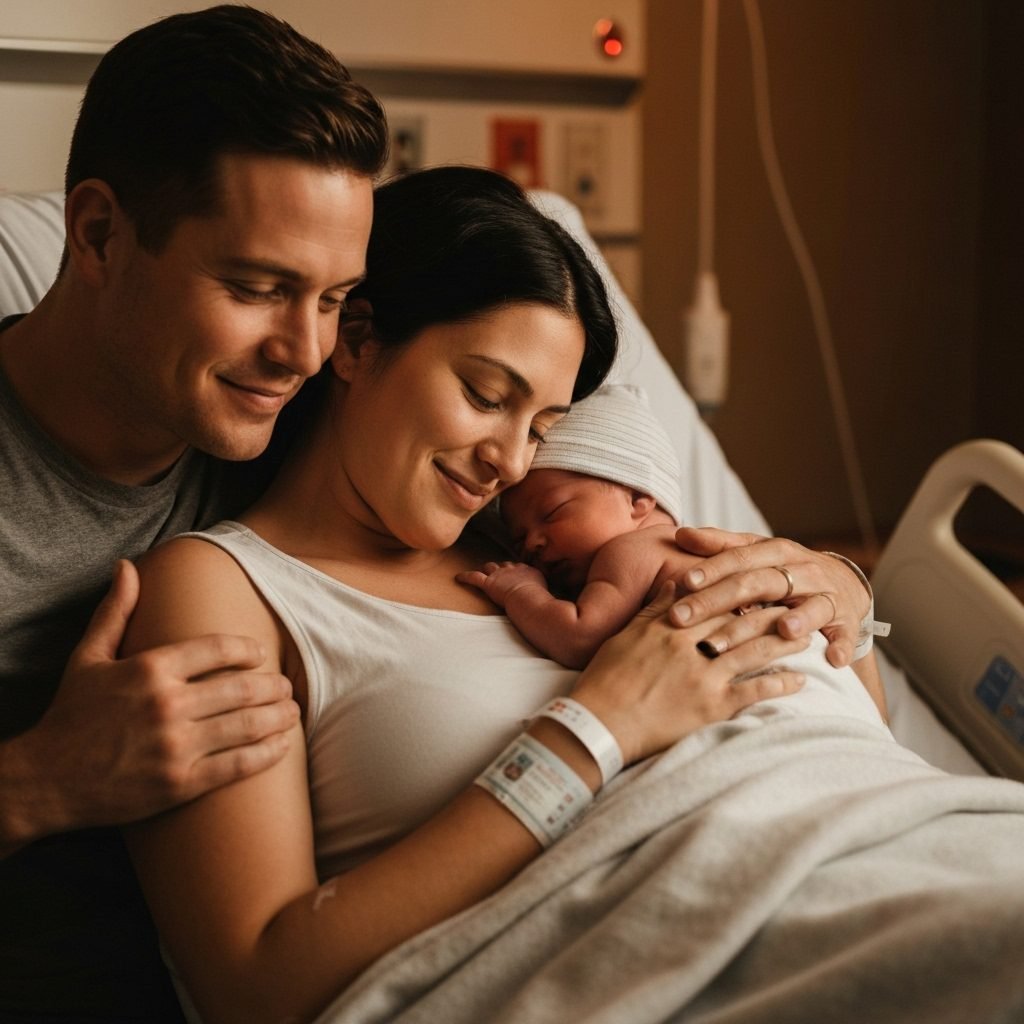
- Embrace Skin-to-Skin Contact: This is the most powerful tool. Placing your naked baby directly on your bare chest and covering you both with a warm blanket is incredibly effective. Your baby is a tiny, perfect furnace, and their body heat helps regulate yours. This practice also boosts oxytocin (the ‘love hormone’), which aids in bonding, breastfeeding, and uterine contraction.
- Ask for Heated Blankets: Don’t be shy! Hospitals often have blanket warmers. Ask your nurse, partner, or doula to bring you a stack of toasty blankets fresh from the warmer. Layer them over yourself and your baby.
- Sip Warm Drinks: A warm, comforting beverage can work wonders from the inside out. Ask for some decaffeinated herbal tea, a cup of broth, or simply warm water with lemon and honey. This helps with hydration and provides internal warmth.
- Put on Warm, Dry Clothes: Change out of any damp hospital gowns or bedding. Putting on a fresh, dry gown and a pair of warm, fuzzy socks can make a world of difference in your overall comfort.
- Practice Calm Breathing: While deep breathing won’t stop the physiological shaking, it can calm your mind. Inhale slowly through your nose for a count of four, hold for a moment, and exhale slowly through your mouth for a count of six. This can help reduce any anxiety the shaking might be causing.
A Note for Partners and Support People

Witnessing someone you love shake uncontrollably can be incredibly distressing. It’s natural to feel helpless or scared. Your calm, reassuring presence is one of the most important things you can offer. Here’s how you can be an active, supportive partner in this moment:
- Stay Calm and Reassure Her: Your calm demeanor is contagious. Hold her hand, look her in the eyes, and tell her, “This is normal. Your body is working hard to recover. I’m right here with you.” Your voice can be a grounding anchor.
- Be Her Advocate: You can be the one to communicate with the nursing staff. Confidently ask for more warm blankets from the warmer. Request a warm drink for her. Make sure her bedding is dry.
- Facilitate Skin-to-Skin: Gently help her position the baby on her chest. You can be the one to carefully drape the blankets over them, ensuring they are both snug and secure.
- Just Be Present: Sometimes, the most helpful thing is simply to be a quiet, steady presence. Offer a gentle hand on her shoulder or a soft stroke of her hair. Let her know she isn’t going through it alone.
Remember, your role is not necessarily to ‘fix’ the shaking, but to provide a safe, warm, and loving environment while her body does what it needs to do. Your support is invaluable.
When to Be Concerned: Differentiating Chills from Complications

In the vast majority of cases, postpartum chills are a normal, temporary phenomenon. However, it’s crucial to know the signs that might indicate an underlying issue, such as an infection or postpartum hemorrhage. The key differentiator is the presence of other symptoms alongside the chills. If you experience shaking and any of the following warning signs, you must alert your medical team immediately.
| Symptom | What’s Typically Normal (Postpartum Chills) | When to Alert Your Medical Team Immediately |
|---|---|---|
| Shaking/Chills | Occurs within the first few hours after birth, lasts less than an hour, and resolves with warming measures. | Chills that start hours or days after birth, or are accompanied by a fever. |
| Temperature | Your temperature remains in the normal range (under 100.4°F / 38°C). | You develop a fever of 100.4°F (38°C) or higher. This is a primary sign of infection. |
| Bleeding | Normal postpartum bleeding (lochia) that is like a heavy period. | Extremely heavy bleeding, such as soaking through more than one maternity pad in an hour, or passing blood clots larger than a golf ball. |
| Pain | Uterine cramping (afterpains) and perineal soreness are expected. | Severe, persistent abdominal pain that doesn’t feel like cramping, or a severe headache. |
| Mental State | You feel tired and overwhelmed but are alert and oriented. | You feel extremely dizzy, faint, confused, or unusually unwell. |
Trust your instincts. You know your body best. If something feels off, it is always better to speak up and have it checked out. Your healthcare team is there to ensure both you and your baby are safe and healthy.
Conclusion
The journey into parenthood is filled with new and intense experiences, and the postpartum shakes are often one of the first surprises. Remember that these chills are your body’s powerful and intelligent response to the marathon of birth. It’s a sign of the immense hormonal and physical transition you are navigating. By understanding the causes and embracing simple comfort measures like skin-to-skin contact and warm blankets, you can move through this temporary phase with confidence and peace.
Be gentle with yourself. Your body has performed a miracle. Allow it the time and grace it needs to recover, rebalance, and settle into its new role. And never hesitate to lean on your support system—your partner, your doula, and your medical team—to ensure you feel safe, warm, and cared for every step of the way.
Medical Disclaimer: This article is for informational purposes only and is not intended to be a substitute for professional medical advice, diagnosis, or treatment. Always seek the advice of your physician or other qualified health provider with any questions you may have regarding a medical condition.