
The Science of Nesting: Why You Suddenly Need to Organize Everything at 3 AM
Understanding the Nesting Phenomenon
As you near the end of your pregnancy journey, you might find yourself suddenly overcome with an irresistible urge to clean, organize, and prepare every corner of your home for your baby’s arrival. This isn’t just a sudden burst of energy; it’s a powerful, primal instinct known as ‘nesting.’ And for many expectant parents, this urge often strikes at the most unexpected times – like 3 AM. If you’ve been meticulously alphabetizing spice racks or deep-cleaning behind the fridge in the dead of night, know that you are not alone, and there’s a fascinating science behind this intense drive.
As a Doula and Maternal Health Educator, I’ve witnessed this phenomenon countless times. It’s a beautiful, albeit sometimes exhausting, part of the transition to parenthood. In this article, we’ll delve into the ‘why’ behind this nocturnal organization spree, exploring the hormonal shifts, evolutionary roots, and psychological underpinnings that fuel your nesting instincts. We’ll also provide empathetic support and practical strategies to help you channel this energy productively, involve your partner, and find peace in the preparation.
The Hormonal Symphony: What’s Happening Inside You?

The incredible transformation your body undergoes during pregnancy is largely orchestrated by a complex interplay of hormones. As you enter the third trimester, several key players ramp up their activity, directly influencing your nesting urge.
Progesterone and Estrogen Fluctuations
While progesterone, often called the ‘pregnancy hormone,’ is high throughout gestation to maintain the uterine lining, its levels, along with estrogen, experience significant fluctuations as labor approaches. These shifts are believed to impact mood, energy levels, and even trigger primal instincts. Some researchers suggest that the declining progesterone levels closer to term might contribute to an increase in physical activity and a sudden burst of energy, which can manifest as nesting.
Oxytocin: The Love and Bonding Hormone
“Oxytocin, often dubbed the ‘love hormone,’ plays a crucial role not only in labor and breastfeeding but also in promoting social bonding and maternal behaviors. Its increasing presence towards the end of pregnancy can intensify the desire to create a safe, loving environment for the baby.” – Expert Doula Perspective
Oxytocin levels naturally rise in late pregnancy, preparing your body for labor and bonding with your newborn. This hormone is deeply connected to feelings of attachment, protection, and nurturing. It’s no wonder that as oxytocin surges, so does the instinct to prepare a secure and comforting ‘nest’ for your little one.
Adrenaline and Cortisol: The Stress Response
The anticipation of childbirth and parenthood can also trigger increased levels of adrenaline and cortisol, the body’s stress hormones. While often associated with anxiety, these hormones can also fuel a sense of urgency and a need for control. For some, nesting becomes a coping mechanism, a way to channel nervous energy into productive tasks, bringing a sense of order and preparedness to an otherwise unpredictable future.
Evolutionary Roots: Why We Nest

The nesting instinct isn’t unique to humans; it’s a deeply ingrained evolutionary behavior observed across the animal kingdom. From birds meticulously building their nests to mammals preparing dens for their young, the drive to create a safe haven for offspring is a fundamental survival mechanism.
Protecting the Vulnerable
In our ancestral past, preparing a secure environment was critical for the survival of both mother and baby. A clean, organized, and protected space reduced the risk of illness, predators, and exposure to harsh elements. While modern homes offer a different kind of safety, the underlying instinct remains: to ensure the absolute best, most secure start for our vulnerable newborns.
Preparing for the Unknown
The arrival of a baby signifies a monumental shift in a family’s life. It’s a period of intense joy but also significant unknowns. Nesting, in this context, serves as a way to mentally and physically prepare for this transition. By arranging the nursery, stocking up on supplies, and organizing the home, expectant parents are, in essence, creating a predictable and manageable environment in anticipation of the beautiful chaos that a newborn brings.
“The urge to nest is a testament to our innate biological programming, a powerful reminder of our connection to the natural world and the universal drive to protect and nurture our young.” – Maternal Health Educator Insight
This deep-seated, instinctual drive helps ensure that when the baby arrives, the primary caregivers can focus entirely on the newborn’s needs, knowing that the immediate environment is ready and conducive to their well-being.
The Psychology of Preparation: Calming the Pre-Baby Jitters
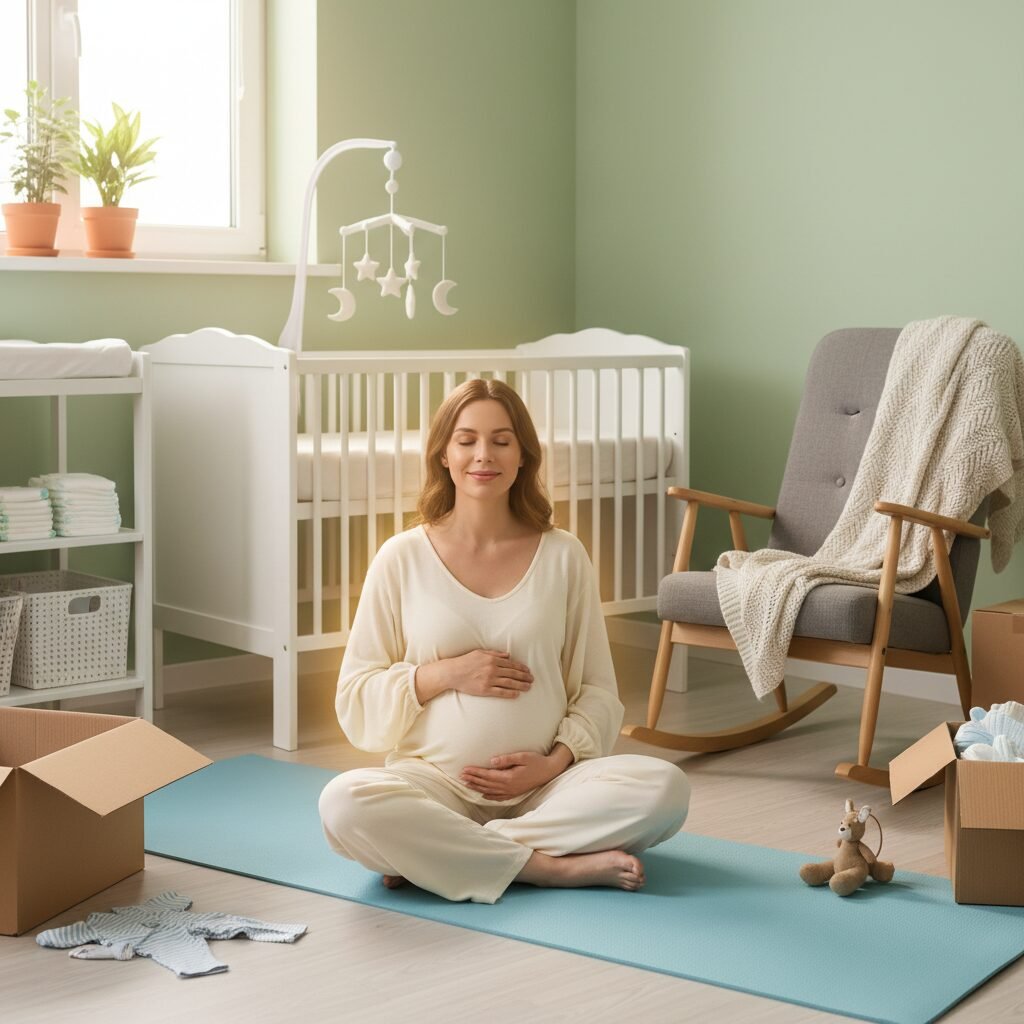
Beyond the biological imperatives, there’s a profound psychological component to nesting. It’s a natural response to the immense life change on the horizon, a way to manage anxiety and exert a sense of control.
Managing Anxiety Through Action
The impending arrival of a baby can bring a mix of excitement and apprehension. For many, nesting becomes a productive outlet for this nervous energy. Focusing on tangible tasks – organizing drawers, washing tiny clothes, assembling furniture – can provide a sense of accomplishment and reduce feelings of being overwhelmed by the enormity of impending parenthood.
Creating a Sanctuary for Your Family
The ‘3 AM nesting’ phenomenon often stems from a combination of hormonal surges and a quiet mind. In the stillness of the night, when distractions are minimal, thoughts about the baby and the future can become amplified. This can trigger a sudden, intense desire to address any perceived imperfections or incomplete tasks in the home, driven by a deep-seated need to create the perfect sanctuary.
- Sense of Control: In a situation where much is out of your control (the timing of labor, the baby’s temperament), organizing provides a tangible sense of agency.
- Mental Checklist: Crossing items off a mental or physical checklist can reduce mental load and promote a feeling of readiness.
- Bonding with the Baby: Preparing the nursery, folding baby clothes, and setting up the crib can also be a quiet, contemplative way to bond with the baby before their arrival, transforming abstract anticipation into concrete action.
Embracing the Urge: Healthy Nesting Strategies

While the nesting instinct is powerful and beneficial, it’s essential to channel it in healthy ways to avoid burnout and maintain well-being during the final weeks of pregnancy. Here are some strategies:
Prioritize and Plan
It’s easy to get overwhelmed by the sheer volume of tasks. Create a realistic list of priorities. What absolutely needs to be done before the baby arrives? What can wait? Focus on the essentials first, like setting up the nursery, preparing a hospital bag, and stocking pantry staples. Don’t feel pressured to achieve Pinterest-perfect results.
- Create a Master List: Write down everything you want to accomplish.
- Categorize: Group tasks by room or type (e.g., nursery, kitchen, documents).
- Prioritize: Mark items as ‘Essential,’ ‘Important,’ or ‘Optional.’
- Break Down Tasks: Large tasks can feel daunting. Break them into smaller, manageable steps.
Set Boundaries and Ask for Help
Your body is working incredibly hard. Listen to its signals and don’t push yourself too hard. It’s okay to rest, delegate, and say no to additional commitments.
“Remember, your primary job right now is to grow a healthy baby and prepare yourself for childbirth. The house doesn’t need to be immaculate; it needs to be a loving home. Don’t hesitate to lean on your support system.” – Empathetic Doula Advice
- Communicate Needs: Let your partner, family, and friends know how they can help.
- Delegate: If someone offers to help, take them up on it! Cleaning, cooking, or running errands can be immense support.
- Rest: Ensure you are getting adequate rest, especially if the 3 AM urges are keeping you up. Schedule naps and quiet time.
Channel the Energy Productively
If you find yourself awake at 3 AM with an urge to organize, consider activities that are less physically demanding but still productive:
- Organize digital photos or create a baby playlist.
- Research newborn care topics.
- Plan postpartum meals or online grocery lists.
- Write thank-you notes for baby gifts.
Involving Your Partner: Building Your Nest Together

Nesting is a journey that can and should be shared. Involving your partner not only eases your burden but also allows them to connect with the impending arrival and their role as a new parent.
Shared Responsibilities, Shared Excitement
For new dads and partners, participating in nesting activities is a tangible way to engage with the pregnancy and prepare for the baby. It moves them beyond being a supportive bystander to an active participant in creating the family’s new environment.
- Assign Tasks: Discuss and divide nesting tasks based on strengths and preferences. Maybe one partner loves assembling furniture, while the other enjoys organizing baby clothes.
- Decision-Making: Involve your partner in decisions about nursery decor, baby gear, and household preparations. This fosters a sense of shared ownership and excitement.
- Emotional Support: Nesting can sometimes bring out anxieties. Use this time to communicate openly about your feelings and fears, offering each other emotional support.
“The act of nesting is more than just preparing a physical space; it’s about preparing a psychological and emotional space for your new family. Doing this together strengthens your bond as a couple and as future parents.” – Professional Doula Insight
Practical Ways Partners Can Contribute
Partners can take on many roles during the nesting phase, particularly those involving physical exertion or tasks that might be challenging for the pregnant parent:
- Assembling cribs, strollers, and other baby furniture.
- Deep cleaning bathrooms and kitchens.
- Grocery shopping and stocking up on essentials.
- Organizing storage areas or decluttering spaces.
- Preparing freezer meals for the postpartum period.
- Ensuring car seats are installed correctly and safely.
Encourage your partner to initiate tasks and take ownership. This shared effort not only makes the home ready but also builds a stronger foundation for teamwork once the baby arrives.
Conclusion
Finding Peace in the Preparation
The science of nesting reveals a beautiful blend of biological imperative, evolutionary wisdom, and psychological readiness. Your sudden urge to organize everything at 3 AM is not a sign of irrationality, but rather a powerful, natural instinct guiding you through one of life’s most profound transitions. Embrace this energy, understand its roots, and channel it wisely.
Remember to prioritize self-care, communicate openly with your partner, and don’t strive for perfection. The true essence of nesting is creating a loving, safe, and welcoming environment, not a flawless one. As you meticulously prepare your home, you are also preparing your heart and mind for the incredible journey of parenthood. Trust your instincts, lean on your support system, and know that you are doing an amazing job preparing for your little one’s arrival.
Medical Disclaimer:
The information provided in this article is for general knowledge and informational purposes only, and does not constitute medical advice. It is essential to consult with a qualified healthcare professional for any health concerns or before making any decisions related to your health or pregnancy. Always seek the advice of your physician or other qualified health provider with any questions you may have regarding a medical condition.