Blurry Vision? When Eye Changes Signal a Dangerous Pregnancy Complication
Pregnancy is a journey of profound transformation, a time when your body is performing daily miracles. With these miracles come a host of new sensations and symptoms, from the delightful flutter of a first kick to the less-than-charming morning sickness. It can feel like a full-time job just trying to figure out what’s ‘normal.’ So, when a symptom like blurry vision appears, it’s completely understandable to feel a surge of anxiety. Is this just another strange but harmless pregnancy quirk, or is it something more serious?
We’re here to walk through this with you. As a doula and maternal health educator, I’ve supported countless parents through these exact worries. The truth is, while some minor changes to your eyesight are common due to hormones and fluid retention, significant or sudden blurry vision can be a critical warning sign. It can be your body’s way of alerting you to two potentially dangerous pregnancy complications: preeclampsia and gestational diabetes.
Navigating this uncertainty can be scary, but knowledge is power. This article will help you understand the difference between benign vision changes and red flags, recognize accompanying symptoms, and know exactly when to pick up the phone and call your doctor or midwife. Your intuition is your greatest tool, and we’re here to provide the facts to support it.
Why Pregnancy Can Affect Your Eyesight: The Common (and Usually Harmless) Reasons
Why Pregnancy Can Affect Your Eyesight: The Common (and Usually Harmless) Reasons
Before we delve into the more serious causes, let’s first acknowledge that your eyes are not immune to the sweeping changes of pregnancy. Many expecting parents notice subtle shifts in their vision that are completely benign and temporary. Understanding these can help ease some initial anxiety.
Hormonal Havoc
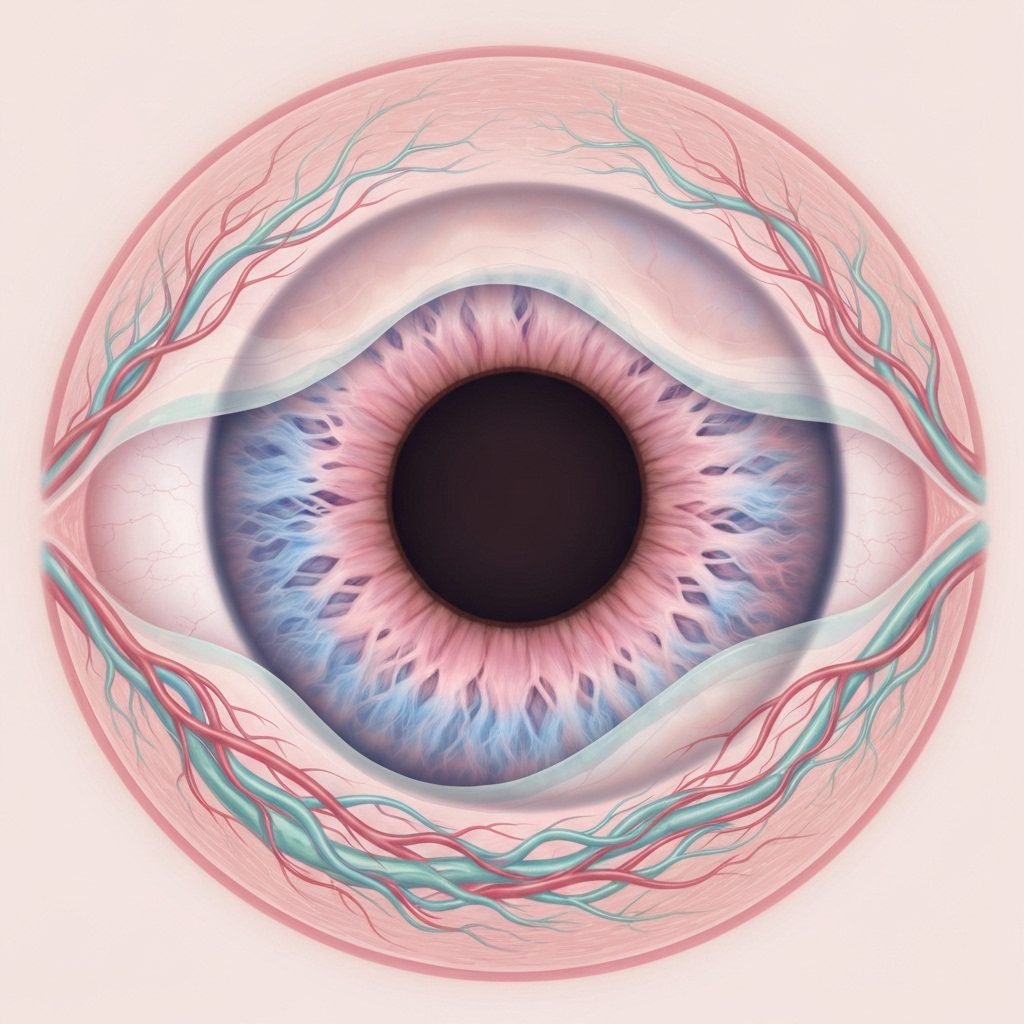
Pregnancy hormones, particularly progesterone and relaxin, are responsible for so much, including loosening your ligaments to prepare for birth. These hormones don’t just target your pelvis; they can also affect the collagen in your cornea, slightly changing its thickness and curvature. This can lead to a minor shift in your prescription, making your vision feel a little ‘off.’ It’s one reason why ophthalmologists often advise against getting new glasses or contact lenses during pregnancy, as your vision will likely return to its baseline after you give birth and your hormones regulate.
Fluid Retention
You’ve probably noticed swelling in your ankles and fingers, and that same fluid retention can affect your eyes. An increase in fluid can alter the pressure within your eyeball (intraocular pressure) and, like hormones, change the shape and thickness of your cornea and lens. This typically results in mild blurriness and is generally not a cause for alarm on its own.
Dry Eyes
Hormonal changes can also decrease tear production, leading to dry, irritated, and gritty-feeling eyes. When your eyes are too dry, your vision can become intermittently blurry. This is often more of a comfort issue than a medical one and can usually be managed with pregnancy-safe lubricating eye drops (after consulting with your provider, of course).
These common changes are typically mild, gradual, and not accompanied by other alarming symptoms. However, if your vision changes are sudden, severe, or persistent, it’s time to consider other possibilities.
The Red Flag: When Blurry Vision Signals Preeclampsia

The Red Flag: When Blurry Vision Signals Preeclampsia
This is the most critical connection to understand. Preeclampsia is a serious pregnancy complication characterized by high blood pressure and signs of damage to another organ system, most often the liver and kidneys. It usually begins after 20 weeks of pregnancy in women whose blood pressure had been normal. If left untreated, preeclampsia can lead to serious—even fatal—complications for both mother and baby.
Blurry vision is considered one of the hallmark neurological symptoms of preeclampsia. It occurs because high blood pressure can cause the blood vessels in your body to constrict (a process called vasospasm). When this happens to the vessels in your retina, it can restrict blood flow and cause swelling, leading to vision disturbances. In severe cases, the pressure can affect the brain, leading to what’s known as cerebral edema, which also manifests as vision changes.
Other Visual and Systemic Symptoms of Preeclampsia
Blurry vision rarely appears in isolation when preeclampsia is the cause. It’s crucial to be aware of the other warning signs that may accompany it:
- Seeing spots, floaters, or flashing lights: These are other common visual disturbances linked to retinal vasospasm.
- Sensitivity to light (photophobia): Bright lights may become painful or overwhelming.
- A severe headache that won’t go away: Often described as a throbbing or pounding headache, especially in the front of the head, that isn’t relieved by typical remedies like acetaminophen.
- Pain in the upper right abdomen or shoulder: This can indicate liver involvement.
- Sudden and severe swelling (edema): Particularly in the face, hands, and feet. While some swelling is normal, rapid or pitted swelling is a concern.
- Rapid weight gain: Gaining more than 2-3 pounds in a single week can be a sign of excessive fluid retention.
- Nausea or vomiting: Especially if it appears suddenly in the second half of pregnancy.
- Shortness of breath: Caused by fluid in the lungs.
It’s vital to know how to differentiate these warning signs from common pregnancy aches and pains. Here’s a comparison:
| Common Pregnancy Symptom | Potential Preeclampsia Warning Sign |
|---|---|
| Mild, occasional headaches | Severe, persistent headache that doesn’t improve with medication |
| Normal pregnancy swelling in feet | Sudden, severe swelling in face and hands; pitting edema |
| General fatigue and mild nausea | Sudden onset of severe nausea/vomiting after mid-pregnancy |
| Minor, fleeting vision changes | Persistent blurry vision, seeing spots, or light sensitivity |
| Upper back pain from posture changes | Sharp pain in the upper right abdomen, under the ribs |
Trust your body. You know better than anyone what feels ‘normal’ for you. If a symptom feels sudden, severe, or wrong, that is enough of a reason to seek medical care.
Blurry Vision and Gestational Diabetes: What’s the Link?
Blurry Vision and Gestational Diabetes: What’s the Link?
Another significant condition that can cause blurry vision during pregnancy is gestational diabetes mellitus (GDM). This is a type of diabetes that develops during pregnancy in women who did not already have diabetes. GDM affects how your cells use sugar (glucose) and causes high blood sugar that can affect your pregnancy and your baby’s health.
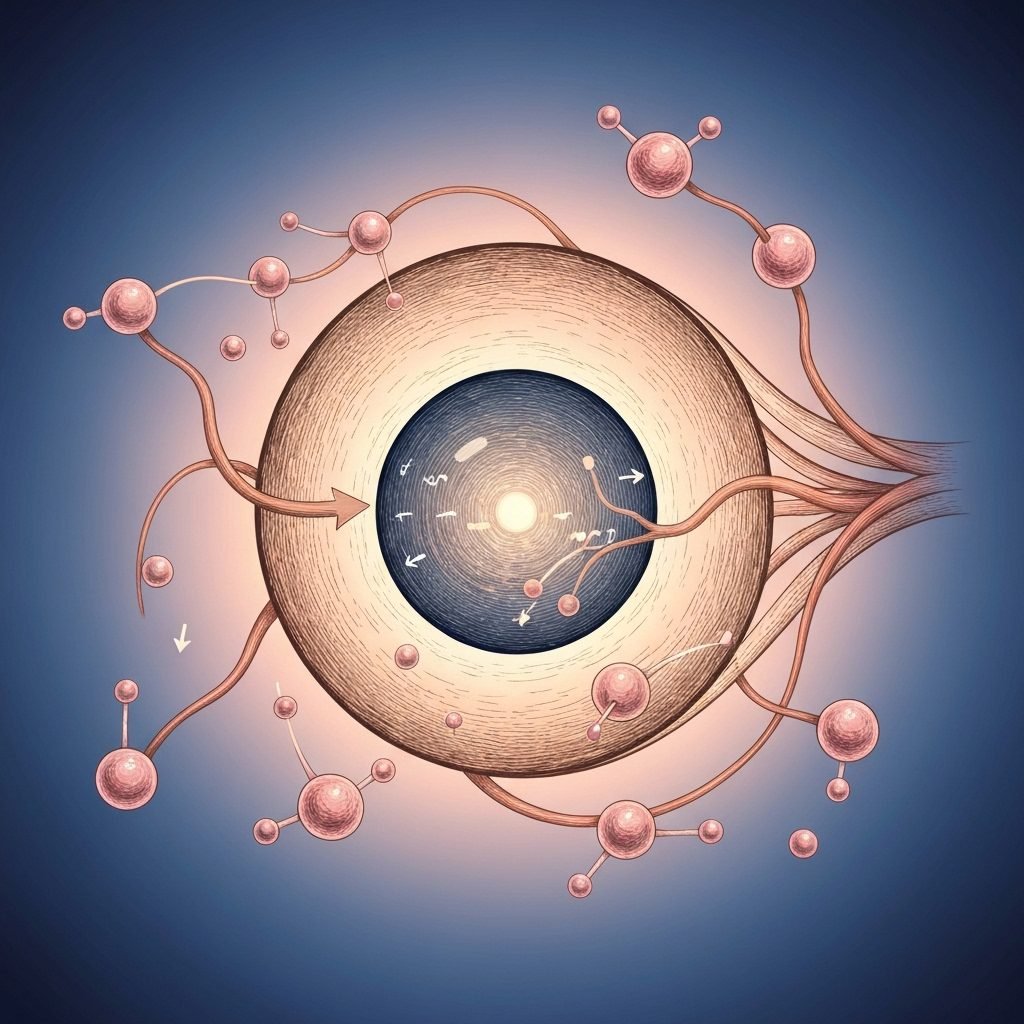
So, how does high blood sugar lead to blurry vision? The lens of your eye is a flexible structure that focuses light onto your retina. When your blood sugar levels are high, it can cause the lens to swell and change shape. This change in shape alters its focusing ability, resulting in blurry vision. Unlike the more sudden and dramatic changes seen with preeclampsia, the blurriness from high blood sugar can sometimes be more gradual. The good news is that this is usually temporary; once blood sugar levels are managed and stabilized, vision typically returns to normal.
Recognizing Other Symptoms of Gestational Diabetes
Just like with preeclampsia, blurry vision is often one of several symptoms. Most women with GDM are diagnosed through routine screening (the glucose challenge test) between 24 and 28 weeks, as symptoms can be subtle and easily mistaken for normal pregnancy discomforts. However, be aware of these potential signs:
- Unusual thirst: Feeling much thirstier than normal.
- Frequent urination: Needing to go more often and in larger amounts than your typical pregnancy frequency.
- Excessive hunger: Feeling hungry again shortly after eating a meal.
- Sugar in your urine: This is something your provider checks for at every prenatal visit.
- Fatigue: While fatigue is a hallmark of pregnancy, extreme exhaustion can be linked to GDM.
If you experience blurry vision and any of these other symptoms, it’s essential to mention it to your healthcare provider, even if you’ve already passed your glucose screening. Managing GDM promptly through diet, exercise, and sometimes medication is crucial for preventing complications like having a large baby (macrosomia), which can complicate delivery, and ensuring your baby doesn’t have low blood sugar after birth.
Your Action Plan: What to Do If You Experience Blurry Vision
Your Action Plan: What to Do If You Experience Blurry Vision
Seeing your world go out of focus when you’re carrying your child is undeniably frightening. But you are not helpless. Having a clear plan can help you move from a place of fear to a place of empowered action. If you experience blurry vision, especially if it’s sudden, persistent, or accompanied by any of the other symptoms we’ve discussed, here is what you should do:
- Stop and Assess, But Don’t Wait and See. Take a moment to sit down and take a few deep breaths. Notice what you’re feeling. Is it just blurry vision? Do you have a headache? Are you seeing spots? Is one side of your body feeling different? This information will be very helpful for your provider. The key is not to ‘wait it out’ to see if it goes away. Time is of the essence with conditions like preeclampsia.
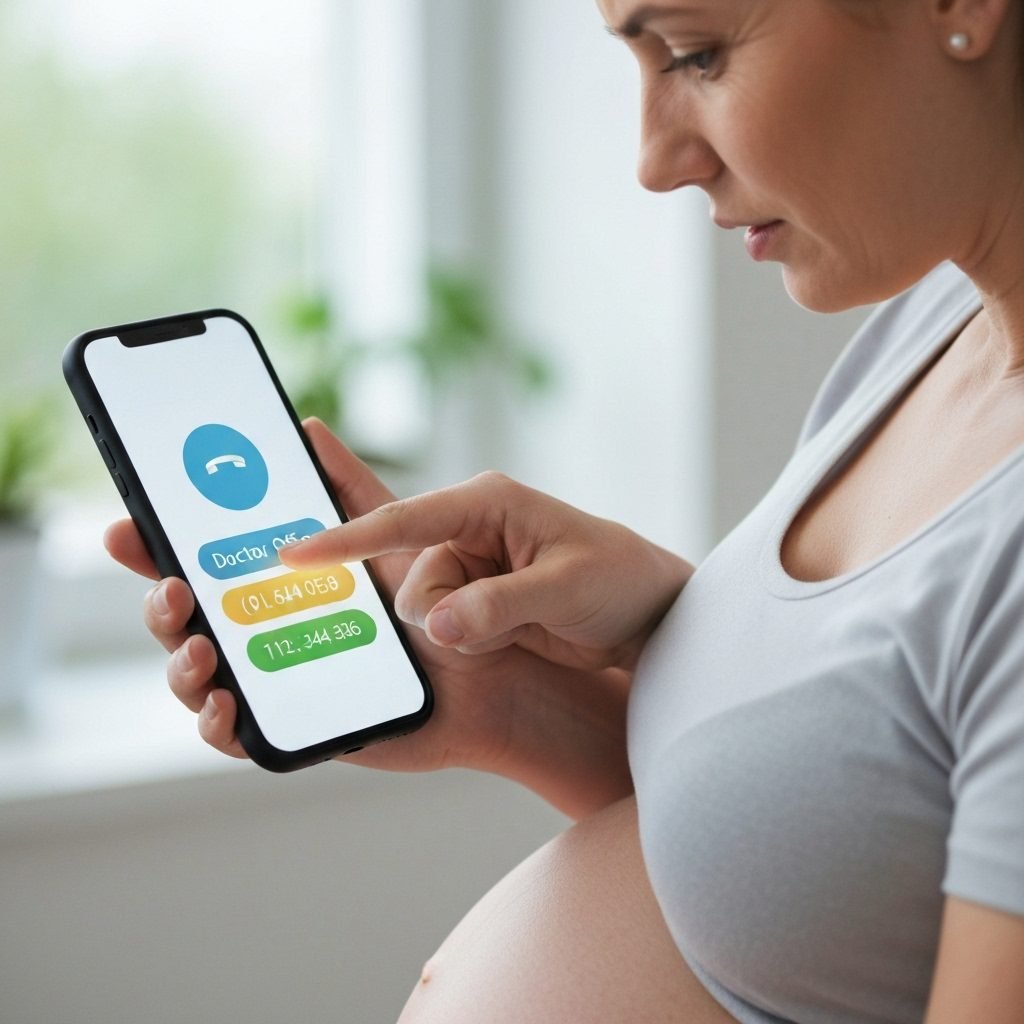
- Contact Your Healthcare Provider Immediately. This is not a symptom to save for your next appointment. Call your doctor or midwife’s office, or the on-call/after-hours line. If you can’t reach them, go to your hospital’s labor and delivery triage or the emergency room.
- Be Specific and Clear. When you speak to a nurse or doctor, state your concerns clearly. Say, “I am [X] weeks pregnant, and I am experiencing sudden blurry vision. I am concerned about preeclampsia.” Using key terms ensures your concern is triaged appropriately. Describe all of your symptoms, when they started, and their severity.
- Advocate for Yourself. You are the expert on your own body. If you feel that your concerns are being dismissed, insist on being seen and evaluated. It is always better to be checked out and told everything is fine than to be sent home and have a serious condition go undiagnosed. Ask questions like, “Could this be preeclampsia?” and “What are the next steps to rule it out?”
Remember, your medical team is there to support you. Voicing your concerns is not an inconvenience; it is a critical part of your prenatal care. You are your baby’s first and most important protector.
Conclusion
Navigating the complex landscape of pregnancy symptoms requires vigilance, but not constant fear. Your body is communicating with you every single day. While minor vision changes can be a normal part of the process, it’s essential to remember this unshakable truth: sudden or severe blurry vision is never normal during pregnancy. It is always a reason to seek immediate medical evaluation.
Whether it signals preeclampsia, gestational diabetes, or another issue, it is a symptom that demands attention. By understanding the warning signs and having a clear plan of action, you transform anxiety into advocacy. You become an active and powerful partner in your own healthcare journey.
Trust your instincts. Listen to your body. Never hesitate to make the call. Taking your symptoms seriously is the ultimate act of love for yourself and for the precious life you are growing.
Medical Disclaimer
The information provided in this article is for educational and informational purposes only and is not intended as medical advice. It is not a substitute for professional medical advice, diagnosis, or treatment. Always seek the advice of your physician or other qualified health provider with any questions you may have regarding a medical condition. Never disregard professional medical advice or delay in seeking it because of something you have read in this article.