
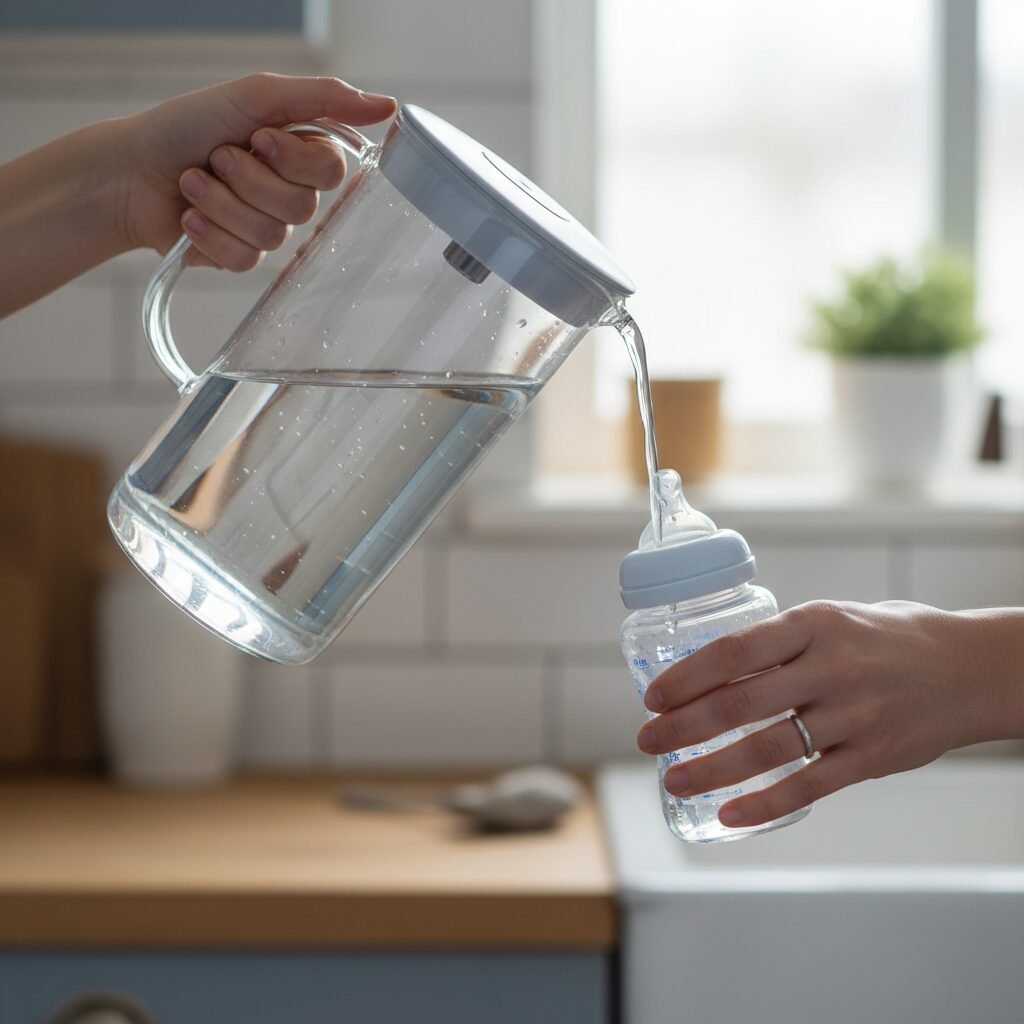
Is Tap Water Safe? Best Filters for Formula Fed Babies
Bringing a new baby home is a whirlwind of joy, love, and a seemingly endless list of questions. Among the most pressing concerns for parents who formula-feed is a simple yet profound one: Is my tap water safe for my baby? You spend hours researching the best formula, the safest bottles, and the most effective sterilization methods. The water you use to mix that precious formula deserves the same level of scrutiny. While the United States generally has one of the safest public water supplies in the world, the water that flows from your tap isn’t just pure H₂O. It can contain various minerals, chemicals used for disinfection, and even contaminants that may have seeped in along its journey to your home.
This comprehensive guide is designed to empower you with fact-based information, not to incite fear. We will walk you through the potential concerns associated with tap water, such as lead, chlorine, and the nuanced debate around fluoride for infants. Most importantly, we will provide a clear, authoritative breakdown of the best water filtration systems specifically suited for preparing baby formula, helping you make an informed decision that protects your baby and provides invaluable peace of mind.
What’s Really in Your Tap Water? A Parent’s Guide
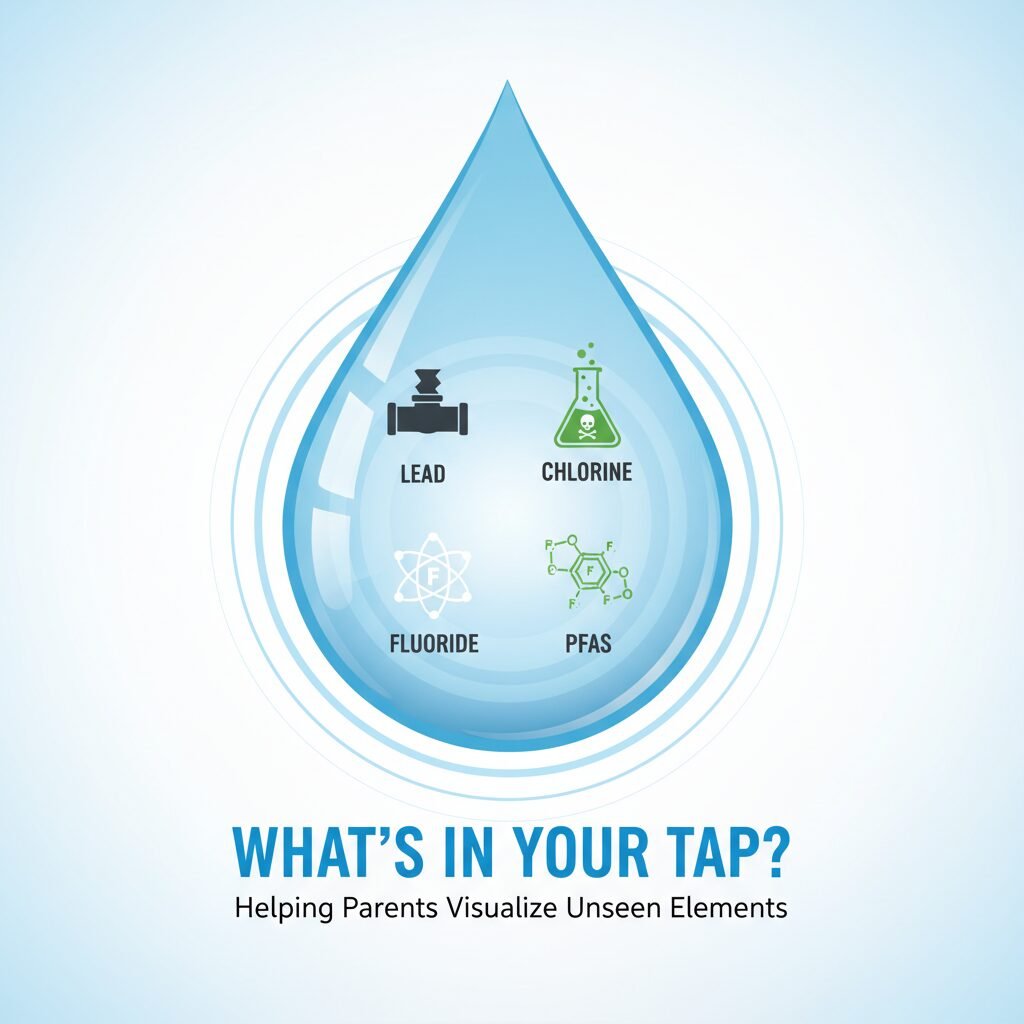
What’s Really in Your Tap Water? A Parent’s Guide
Before you can decide on a solution, it’s crucial to understand the problem. Municipal water treatment facilities work diligently under the regulations of the Safe Drinking Water Act (SDWA) to remove harmful pathogens. However, the journey from the treatment plant to your faucet is long, and several substances can either persist through treatment or be introduced along the way. For developing infants, whose systems are far more sensitive than an adult’s, even low levels of certain contaminants can be a concern.
Key Contaminants to Be Aware Of:
- Lead: This is arguably the most significant concern for parents. Lead is a potent neurotoxin with no safe level of exposure for children. It typically leaches into water from older lead service lines connecting a home to the main water supply or from older plumbing, faucets, and fixtures within the home itself. The EPA has a goal of zero lead in drinking water because it can cause severe developmental delays, learning disabilities, and behavioral issues in children.
- Chlorine and Chloramine: These are disinfectants added to kill bacteria and viruses. While effective, they can give water an unpleasant taste and smell. More importantly, they can react with organic matter in water to form disinfection byproducts (DBPs), such as trihalomethanes, which have been linked to health risks over the long term.
- Fluoride: Added to most public water supplies to prevent tooth decay, fluoride is a topic of much debate for infants. The American Dental Association (ADA) acknowledges that consistent use of fluoridated water to mix infant formula can increase the risk of mild dental fluorosis, a cosmetic condition that causes faint white marks on teeth. We will explore this in greater detail in the next section.
- PFAS (Per- and Polyfluoroalkyl Substances): Often called ‘forever chemicals,’ PFAS are man-made chemicals found in everything from non-stick cookware to firefighting foam. They are increasingly being detected in drinking water and have been linked to developmental effects, immune system disruption, and other serious health problems.
- Pesticides, Herbicides, and Pharmaceuticals: Runoff from agricultural areas and improper disposal of medications can introduce these substances into the water supply. While treatment plants remove many, trace amounts can remain.
Knowledge is power. You can, and should, investigate the quality of your own tap water. Start by searching for your local water utility’s annual ‘Consumer Confidence Report’ (CCR). For a more user-friendly and comprehensive look, visit the Environmental Working Group’s (EWG) Tap Water Database and enter your zip code. This report will give you a detailed picture of the contaminants found in your local water supply and whether they exceed health guidelines.
The Fluoride Factor: Navigating Recommendations for Infants
The Fluoride Factor: Navigating Recommendations for Infants
The topic of fluoride often leaves parents caught between conflicting advice. On one hand, it’s celebrated as a public health triumph for reducing cavities. On the other, there are specific recommendations for infants that every formula-feeding parent should understand.
Powdered infant formula contains minimal fluoride. However, when it is repeatedly mixed with fluoridated tap water (which typically contains around 0.7 mg/L), the infant’s total fluoride intake can exceed optimal levels. The primary risk associated with this overexposure during the first year of life—when teeth are developing under the gums—is dental fluorosis. While most cases are very mild and appear as barely noticeable white lacy marks on the teeth, moderate or severe cases can cause more opaque white spots or even pitting of the enamel.
The American Dental Association (ADA) states: “If your baby is exclusively fed infant formula, you can use fluoridated water for mixing. However, if you are concerned about dental fluorosis, you can mix the formula with low-fluoride bottled water some of the time.”
This nuanced recommendation gives parents a choice. The goal is not to eliminate fluoride entirely but to control the dose. Using a water filter that specifically removes or reduces fluoride is one of the most effective ways to achieve this balance, ensuring your baby gets the protective benefits of fluoride later in life without the risk of fluorosis now.
Choosing Your Shield: A Breakdown of Water Filtration Systems

Choosing Your Shield: A Breakdown of Water Filtration Systems
Once you’ve decided to filter your water, the next step is navigating the market. Filters are not created equal; they use different technologies and are certified to remove different contaminants. Understanding the types and their certifications is key to selecting the right one for your baby’s needs.
Look for NSF/ANSI Certifications
The National Sanitation Foundation (NSF) is an independent organization that tests and certifies water filtration products. A filter with an NSF certification has been verified to do what it claims. Key certifications for parents to look for include:
- NSF/ANSI 42: Filters for aesthetic effects, like removing chlorine taste and odor.
- NSF/ANSI 53: Filters for health effects, certified to remove specific contaminants like lead, cysts (e.g., Cryptosporidium), and volatile organic compounds (VOCs). This is a critical certification for parents.
- NSF/ANSI 58: Certifies reverse osmosis systems for the removal of a wide range of contaminants, including fluoride, lead, and arsenic.
- NSF/ANSI 401: Certifies removal of emerging contaminants, including some pharmaceuticals and pesticides.
Types of Filtration Systems
- Water Filter Pitchers: The most common and affordable option. They are simple to use but have a limited capacity and filter slowly. Standard pitchers (like a basic Brita) primarily remove chlorine, but advanced models can remove lead, PFAS, and more.
- Faucet-Mounted Filters: These attach directly to your faucet for on-demand filtered water. They are convenient but can slow water flow and don’t fit all faucet types.
- Countertop Filters: These systems sit on your counter and connect to the faucet or operate as a standalone gravity-fed unit. They offer a larger capacity and often more comprehensive filtration than pitchers.
- Under-Sink Filters: Installed out of sight, these connect directly to your cold water line and dispense filtered water through a dedicated faucet. They are a more permanent solution with high-volume capacity but require installation.
- Reverse Osmosis (RO) Systems: Considered the gold standard for water purity. RO systems use a multi-stage process to force water through a semipermeable membrane, removing the widest possible range of contaminants, including up to 99% of lead, fluoride, and total dissolved solids (TDS). They typically are installed under the sink and are the most expensive option.
The Best Water Filters for Preparing Baby Formula
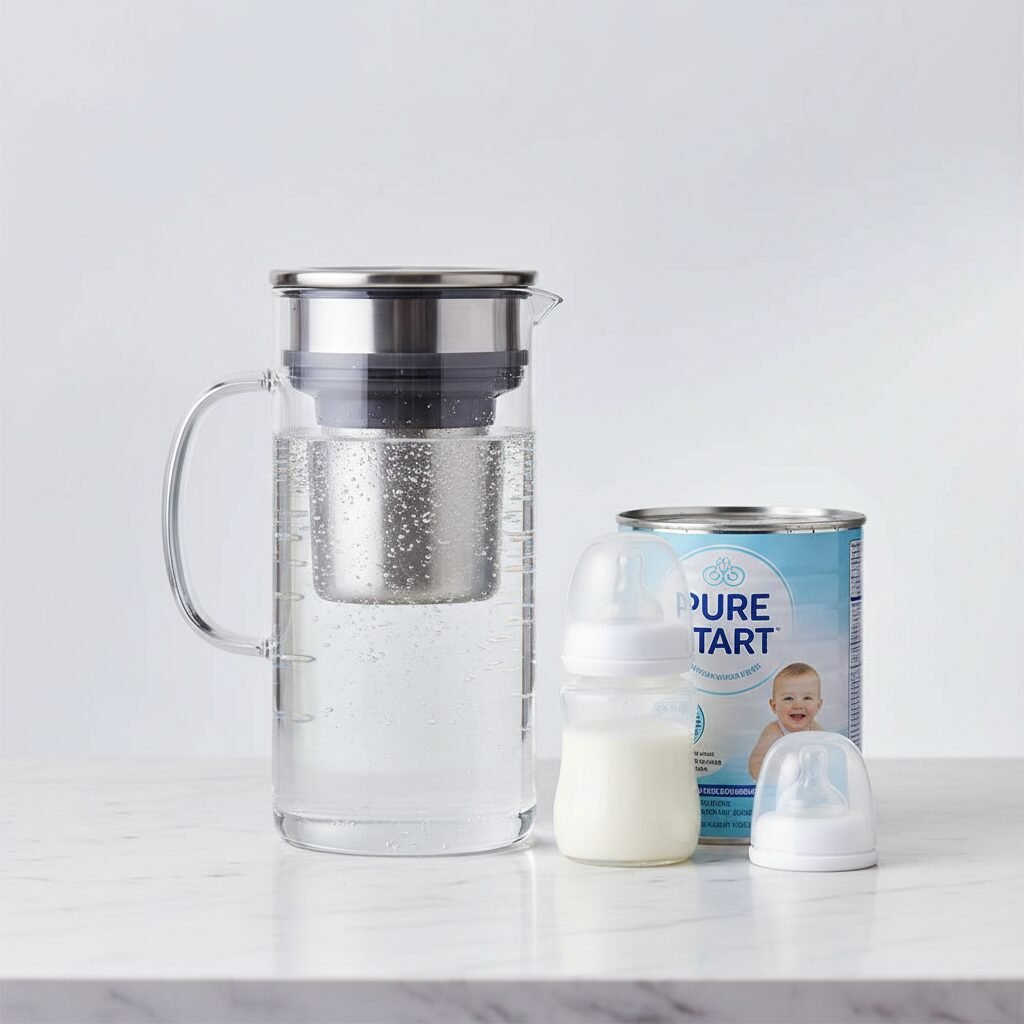
The Best Water Filters for Preparing Baby Formula
After extensive research into filtration technology, certifications, and parent feedback, we’ve identified the top filters that are most effective at removing the contaminants of greatest concern for infants: lead and fluoride.
| Filter Model | Type | Key Contaminants Removed | NSF Certified | Approx. Cost |
|---|---|---|---|---|
| Clearly Filtered Water Pitcher | Pitcher | Fluoride, Lead, PFAS, Chlorine, Pesticides (>365 total) | Meets NSF 42, 53, 401 standards (tested independently) | $$ |
| AquaTru Countertop RO | Countertop Reverse Osmosis | Fluoride, Lead, Chlorine, PFAS, Nitrates (>80 total) | Yes (NSF 42, 53, 58, 401) | $$$$ |
| ZeroWater 5-Stage Pitcher | Pitcher | Lead, Chromium, PFAS (Removes 99.6% Total Dissolved Solids) | Yes (NSF 42, 53) | $ |
| Aquagear Water Filter Pitcher | Pitcher | Lead, Fluoride, Chlorine, PFAS, Microplastics | Meets NSF 42, 53 standards (tested independently) | $$ |
In-Depth Reviews
Clearly Filtered Water Pitcher
This pitcher stands out for its impressive ability to remove a vast range of contaminants while retaining beneficial minerals. Its Affinity® Filtration Technology is particularly effective against fluoride, making it a top choice for parents concerned about dental fluorosis.
- Pros: Removes up to 99.9% of fluoride, lead, and PFAS. Independently tested to meet multiple NSF standards. Retains natural minerals.
- Cons: Filters can be expensive and require regular replacement. Filtration speed is slower than basic pitchers.
- Verdict: Best Overall Pitcher for Formula. It directly addresses the top two parental concerns—lead and fluoride—in an easy-to-use format.
AquaTru Countertop Reverse Osmosis System
For parents who want the absolute highest level of purity without the hassle of under-sink installation, the AquaTru is a game-changer. It uses a 4-stage RO process to remove virtually all contaminants, delivering pure, safe water every time.
- Pros: Gold-standard RO filtration. Certified to remove over 80 contaminants, including fluoride and lead. No installation required.
- Cons: High initial investment. Takes up significant counter space. Produces some wastewater.
- Verdict: The Ultimate Purity Choice. Ideal for families in areas with known water quality issues or for those who want zero compromise on water safety.
ZeroWater 5-Stage Pitcher
ZeroWater’s unique 5-stage filter is designed to remove virtually all total dissolved solids (TDS), which includes minerals as well as contaminants like lead and chromium. The included TDS meter allows you to see the filter’s effectiveness in real-time.
- Pros: Extremely effective at removing TDS, including lead. More affordable than other high-performance pitchers. Comes with a water quality meter.
- Cons: Filters need to be replaced more frequently, especially in areas with hard water. Removes beneficial minerals like calcium and magnesium.
- Verdict: Best Budget-Friendly Option for Lead Removal. An excellent choice if lead is your primary concern and you’re on a tighter budget.
Conclusion
Your Informed Choice is the Best Choice
Navigating the responsibilities of new parenthood can feel overwhelming, but ensuring your baby has safe water for their formula doesn’t have to be. By understanding the potential risks in your tap water, checking your local water quality report, and choosing a certified filter that targets your specific concerns—especially lead and fluoride—you are taking a powerful, proactive step in protecting your child’s health. Whether you choose an advanced pitcher or a reverse osmosis system, the goal is the same: providing a safe, healthy foundation for your little one to thrive. Trust your research, trust your instincts, and take comfort in knowing that this thoughtful decision is a profound act of love.
Disclaimer: The information provided in this article is for educational purposes only and is not a substitute for professional medical advice. Always consult with your pediatrician or a qualified healthcare provider with any questions you may have regarding your infant’s health, feeding, and nutritional needs.