

Sick While Pregnant? The Only Doctor-Approved Cold Medicines You Can Actually Take
Catching a cold is never fun, but when you’re pregnant, it comes with a unique layer of anxiety. Every cough, sneeze, and ache brings a wave of questions: Is this harming the baby? What can I take for relief? Am I allowed to take anything at all? First, take a deep breath. It’s completely normal to feel this way. Your primary instinct is to protect the precious life you’re growing, and that often means questioning everything you put into your body.
The good news is that you don’t have to suffer through nine months of misery. While many common medications are off-limits during pregnancy, there are safe, effective, and doctor-approved ways to manage cold symptoms. Getting sick while pregnant is common; your immune system is naturally suppressed to prevent your body from rejecting the baby. This guide is here to be your trusted resource, created with an empathetic and fact-based approach to help you feel better safely. We’ll walk you through drug-free remedies, identify which over-the-counter medicines get the green light from medical experts, and clarify which ones you need to avoid. Most importantly, we’ll empower you to know when it’s time to call your doctor or midwife. You’re not alone in this, and taking care of yourself is a vital part of taking care of your baby.
Understanding Your ‘Pregnancy Immune System’

Why Am I Suddenly So Susceptible to Colds?
If it feels like you’re catching every bug that goes around since you’ve become pregnant, you’re not imagining things. During pregnancy, your body performs a miraculous and complex balancing act. To protect your growing baby—who has DNA from both you and your partner—your immune system intentionally lowers its defenses. This process, called immunomodulation, prevents your body from identifying the fetus as a foreign entity and attacking it. It’s a beautiful, essential part of a healthy pregnancy.
However, this tempered immune response means you’re more vulnerable to common viruses like the rhinovirus, which causes the common cold. It’s a trade-off: your body is focused on fetal protection, which can leave you more exposed. So, that lingering cough or stuffy nose isn’t a sign of weakness; it’s a side effect of your body doing its most important job. Understanding this can help shift your perspective from frustration to a sense of awe for what your body is accomplishing. It also underscores the importance of being gentle with yourself and prioritizing rest and self-care when you do get sick.
Nurturing Yourself and Baby: Drug-Free Cold Relief

First Line of Defense: Remedies That Are Always Safe
Before you even think about the pharmacy aisle, know that some of the most effective cold remedies are completely drug-free and 100% safe for you and your baby. Your body is working hard, and supporting its natural healing process is the best first step.
- Hydration is Key: Fluids help thin mucus and soothe a sore throat. Keep a large water bottle with you at all times. Warm liquids can be especially comforting, so consider clear broths, warm water with lemon and honey (honey is safe in pregnancy and has natural antibacterial properties), and pregnancy-safe herbal teas like peppermint or ginger.
- Prioritize Rest: This cannot be overstated. Your body needs energy to fight off the virus and to continue growing a healthy baby. Allow yourself to nap, go to bed early, and delegate tasks to your partner or support system. Pushing through will only prolong your illness.
- Embrace Steam and Humidity: A humidifier or vaporizer in your bedroom can work wonders for a stuffy nose and dry cough, especially overnight. If you don’t have one, a steamy shower can provide temporary relief. Standing in a steamy bathroom for 10-15 minutes can help loosen congestion and make breathing easier.
- Saline is Your Best Friend: Saline nasal sprays and rinses (like a Neti pot, if you’re comfortable using one with distilled water) are completely safe and incredibly effective. They moisturize your nasal passages and help flush out mucus and irritants without any medication.
- Soothe a Sore Throat: Gargling with warm salt water (about half a teaspoon of salt in a full glass of warm water) several times a day can reduce throat swelling and pain. Sucking on ice chips can also provide numbing relief.
Remember, these gentle remedies aren’t just about symptom relief; they are acts of self-care that honor the incredible work your body is doing.
The Pharmacy Aisle: A Guide to Safe Over-the-Counter Options

Navigating Medication with Confidence
When natural remedies aren’t quite cutting it, you may need extra help. It is absolutely critical to consult your doctor, midwife, or pharmacist before taking any medication, even those listed here as generally safe. Dosing and safety can vary based on your trimester and personal health history. This chart is a guide to help you have an informed conversation with your healthcare provider.
Always choose single-ingredient preparations. Many ‘all-in-one’ cold and flu formulas contain multiple drugs, including some that are not recommended during pregnancy.
| Symptom | Generally Safe Medication (Active Ingredient) | Important Considerations |
|---|---|---|
| Pain, Fever, Headache | Acetaminophen (Tylenol) | This is the preferred pain/fever reducer in pregnancy. Avoid Ibuprofen (Advil, Motrin) and Naproxen (Aleve), especially in the third trimester, as they can cause complications. Follow package dosing carefully. |
| Cough | Dextromethorphan (Robitussin, Delsym) & Guaifenesin (Mucinex) | Generally considered safe after the first trimester. Dextromethorphan is a cough suppressant, while Guaifenesin is an expectorant that thins mucus. Avoid formulas with alcohol. Check with your doctor first. |
| Sore Throat | Lozenges/Sprays with Benzocaine or Dyclonine (Cepacol, Chloraseptic) | These can provide temporary numbing relief. Use as directed and avoid excessive use. Sucking on hard candy can also stimulate saliva and soothe your throat. |
| Runny/Stuffy Nose | Saline Nasal Sprays & Antihistamines like Chlorpheniramine (Chlor-Trimeton) and Diphenhydramine (Benadryl) | Saline is always the safest first choice. Antihistamines may be recommended by your doctor, but they can cause drowsiness. Avoid oral decongestants like Pseudoephedrine (Sudafed) and Phenylephrine, particularly in the first trimester, due to concerns about blood flow. |
Red Flags: Cold Medicines to Strictly Avoid
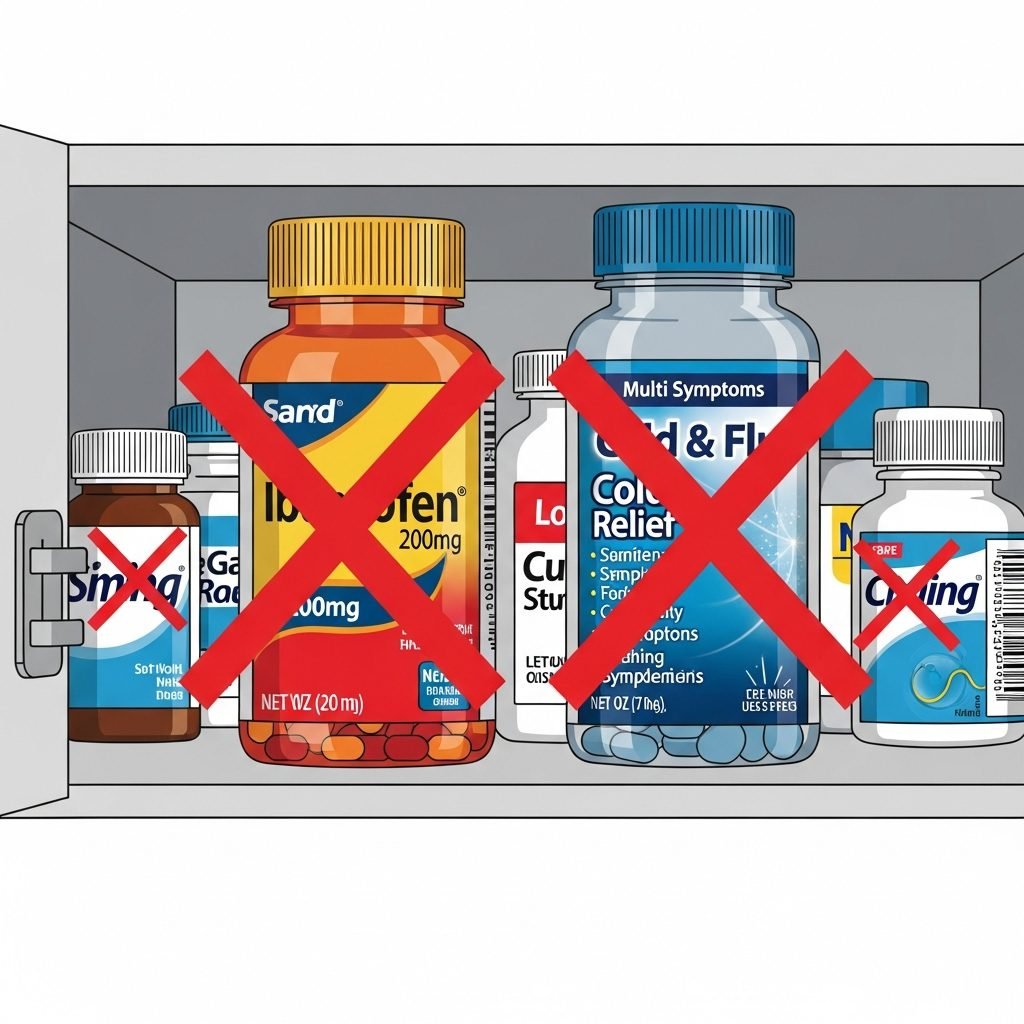
Protecting Your Baby: What Not to Take
Knowing what to avoid is just as important as knowing what is safe. Some of the most common, go-to cold medicines for non-pregnant adults pose potential risks to a developing fetus. Always read the active ingredients list on any product you consider taking.
Medications to Avoid Unless Specifically Directed by Your Doctor:
- Ibuprofen (Advil, Motrin) and Naproxen (Aleve): These are NSAIDs (nonsteroidal anti-inflammatory drugs). Taken in the third trimester, they can lead to the premature closing of a vital blood vessel in the baby’s heart. They may also reduce amniotic fluid levels. Acetaminophen is the much safer choice.
- Oral Decongestants (Pseudoephedrine, Phenylephrine): These ingredients, found in products like Sudafed and DayQuil, work by constricting blood vessels to reduce swelling in your nasal passages. There is concern that they could potentially restrict blood flow to the uterus, particularly in the first trimester. Their use later in pregnancy is also controversial, so they should be avoided unless your doctor explicitly approves.
- Aspirin: While low-dose aspirin is sometimes prescribed by doctors for specific pregnancy conditions like preeclampsia, it should not be used for general pain or fever relief during pregnancy due to risks of bleeding.
- Certain Herbal Remedies: ‘Natural’ does not always mean ‘safe’ in pregnancy. Supplements like Echinacea, Goldenseal, and others lack sufficient safety data and should be avoided. Stick to remedies with a long history of safe use, like lemon and honey.
- Combination ‘All-in-One’ Medicines: Avoid products that treat multiple symptoms at once (e.g., ‘Cold & Flu Max Strength’). They often contain a cocktail of ingredients, including ones on this avoidance list. It’s far safer to treat each symptom individually with an approved, single-ingredient product.
Knowing When to Seek Professional Care

Trusting Your Instincts: When to Call Your Doctor or Midwife
Most colds will resolve on their own with rest and gentle care. However, your pregnant body is under different kinds of stress, and it’s important to be vigilant. Never hesitate to contact your healthcare provider if you feel something is wrong. They would much rather hear from you and offer reassurance than have you worry at home.
Call your provider immediately if you experience any of the following:
- A high or persistent fever: A temperature of 100.4°F (38°C) or higher that doesn’t come down with an approved dose of acetaminophen.
- Symptoms that worsen or don’t improve: If your cold lasts longer than 10-14 days or your symptoms become more severe, it could be a sign of a secondary infection like sinusitis or bronchitis.
- Difficulty breathing, shortness of breath, or chest pain: These are never normal symptoms and require immediate medical attention.
- Severe headache or sinus pain: Intense pain, especially if localized to one area of your face or accompanied by a high fever, could indicate a sinus infection.
- Productive cough with colored mucus: While clear or white mucus is normal, green or yellow mucus can sometimes signal a bacterial infection that needs treatment.
- Vomiting or inability to keep fluids down: Dehydration is a serious concern during pregnancy.
- Any change in fetal movement: If you notice your baby is moving less than usual, call your provider right away. You know your body and your baby best. Trust that instinct.
Conclusion
Navigating illness while pregnant requires a little extra care and caution, but it doesn’t have to be a source of fear. By focusing first on rest, hydration, and safe, drug-free remedies, you can effectively support your body’s healing process. When you need more relief, you are now equipped with the knowledge to have an informed discussion with your doctor about which over-the-counter medications are safe for you and your baby. Always remember to read labels, stick to single-ingredient products, and never hesitate to lean on your medical team for guidance.
You are doing an incredible job. Being mindful and cautious is a sign of what a wonderful, protective parent you already are. Be gentle with yourself, allow your body the time it needs to recover, and focus on the amazing journey ahead.
Medical Disclaimer
The information provided in this article is for informational purposes only and is not a substitute for professional medical advice, diagnosis, or treatment. Always seek the advice of your physician, midwife, or other qualified health provider with any questions you may have regarding a medical condition or before taking any medication during pregnancy. Never disregard professional medical advice or delay in seeking it because of something you have read here.