

Why Am I Crying Over Spilled Milk? The Truth About Pregnancy Tears
Pregnancy is often painted as a time of unbridled joy and glowing anticipation. While these emotions are certainly part of the experience, many expectant parents find themselves navigating a complex landscape of feelings, often characterized by unexpected mood swings and a surprising propensity for tears. You might find yourself weeping over a sentimental commercial, a forgotten grocery item, or yes, even spilled milk. If you’ve ever wondered, ‘Why am I so emotional during pregnancy?’ or ‘Are these pregnancy tears normal?’, you are certainly not alone. This phenomenon is a very real and incredibly common aspect of gestation, touching the lives of countless individuals and their partners. It’s a journey that can feel both miraculous and bewildering, and understanding the ‘why’ behind these powerful emotional shifts is the first step toward embracing and navigating them with self-compassion and strength.
As a certified Doula and Maternal Health Educator, I’ve witnessed firsthand the confusion and sometimes shame that can accompany these intense emotional experiences. My goal here is to demystify pregnancy tears, offering a professional yet deeply empathetic perspective. We will explore the intricate interplay of hormones, the profound psychological adjustments of impending parenthood, and the practical strategies that can help you and your partner navigate this emotional rollercoaster. This article is designed to validate your feelings, equip you with knowledge, and remind you that vulnerability is a sign of strength, especially during such a transformative time.
The Hormonal Rollercoaster: Understanding the Biological Basis
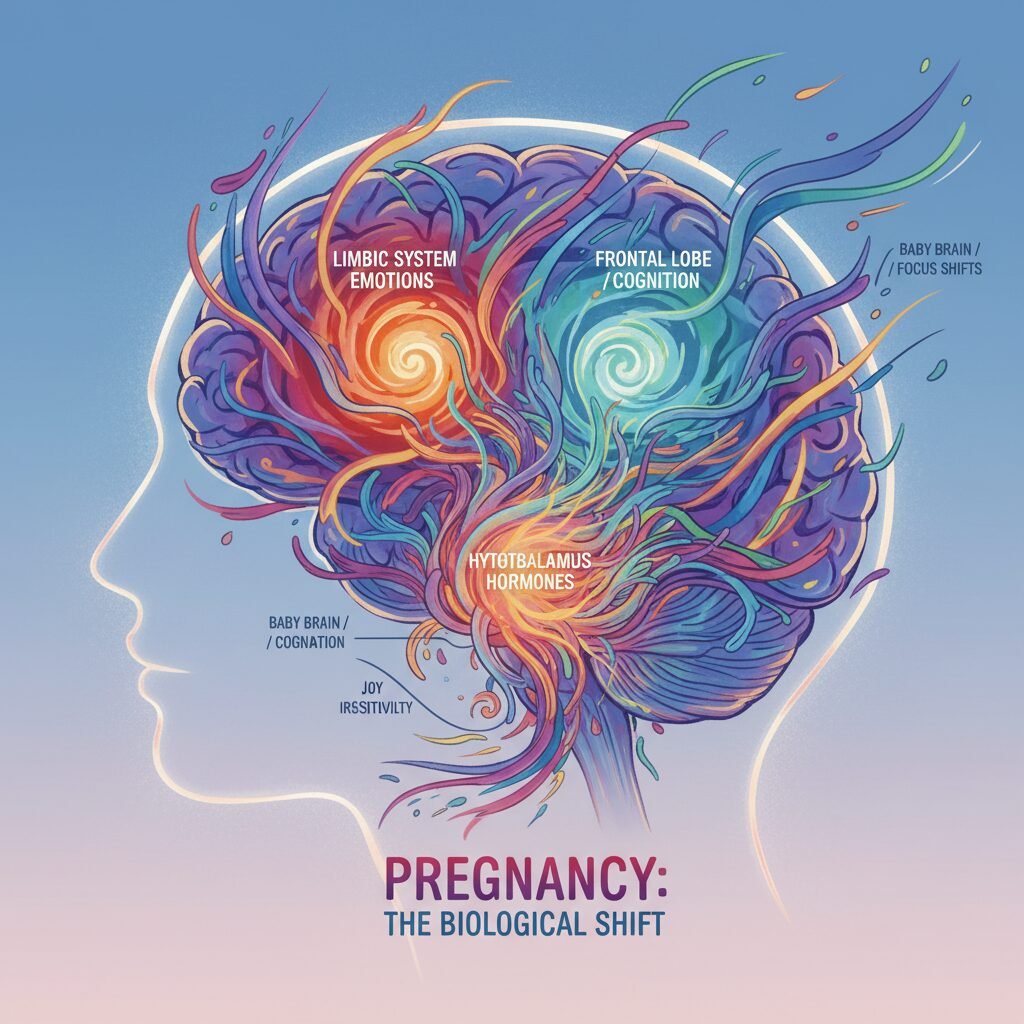
At the heart of many pregnancy-related emotional shifts lies a profound hormonal revolution within your body. From the moment of conception, your endocrine system undergoes dramatic changes, orchestrating the growth and development of your baby, but also significantly impacting your mood and emotional regulation. Understanding these biological underpinnings can provide immense comfort and help you depersonalize what often feels like an uncontrollable emotional state.
Estrogen and Progesterone: The Primary Players
The two main culprits in this hormonal drama are estrogen and progesterone. During pregnancy, the levels of these hormones surge to unprecedented heights. For context, by the third trimester, a pregnant person’s estrogen levels can be 30 times higher than during a non-pregnant menstrual cycle, and progesterone levels are equally elevated. These hormones are vital for maintaining the pregnancy, thickening the uterine lining, and preparing your body for birth and lactation.
- Estrogen: While essential for fetal development, fluctuating estrogen levels are known to affect neurotransmitters in the brain, particularly serotonin – often referred to as the ‘feel-good’ chemical. Changes in serotonin can directly influence mood, leading to feelings of sadness, irritability, or heightened sensitivity.
- Progesterone: Often called the ‘calming’ hormone due to its sedative effects, high levels of progesterone can also contribute to feelings of fatigue, sluggishness, and even a sense of emotional blunting or overwhelm. While it helps maintain uterine tranquility, its systemic effects can make you feel more prone to tears.
Cortisol and Thyroid Hormones: Secondary Influencers
Beyond estrogen and progesterone, other hormones also play a role:
- Cortisol: The body’s primary stress hormone, cortisol levels naturally increase during pregnancy. While some increase is normal and necessary, chronically elevated cortisol can contribute to anxiety, stress, and, consequently, increased emotional reactivity.
- Thyroid Hormones: The thyroid gland also works harder during pregnancy. Imbalances in thyroid hormones can mimic symptoms of anxiety or depression, making it crucial to discuss any persistent mood changes with your healthcare provider to rule out underlying thyroid issues.
It’s important to remember that these hormonal shifts are not a sign of weakness; they are a testament to the incredible work your body is doing. Acknowledging their powerful influence can help you extend grace to yourself when the tears flow unexpectedly.
Beyond Hormones: The Psychological and Emotional Landscape

While hormones certainly lay much of the groundwork for emotional shifts during pregnancy, the psychological and emotional landscape of becoming a parent is equally profound. Pregnancy is a period of immense transition, bringing with it a whirlwind of new responsibilities, identity changes, and often, unspoken fears. These factors, separate from or in conjunction with hormonal changes, can significantly contribute to heightened emotional sensitivity and those unexpected tears.
Anticipation and Anxiety About Parenthood
The journey to parenthood is filled with anticipation – joy, excitement, and dreams of the future. However, it’s also natural to experience significant anxiety. Questions about birth, parenting skills, financial stability, and the ability to protect and provide for a child can feel overwhelming. These anxieties, both conscious and subconscious, can manifest as irritability, stress, and a lower threshold for emotional upset.
- Fear of the Unknown: The birthing process itself, the demands of newborn care, and the complete transformation of life as you know it can be a source of significant apprehension.
- Identity Shift: Moving from ‘individual’ or ‘partner’ to ‘parent’ is a monumental identity shift. There can be a sense of loss for the former self, even amidst the excitement for the new role. This can be particularly poignant for first-time parents.
- Body Image and Physical Changes: Pregnancy brings profound physical changes. For some, these changes are celebrated; for others, they can be a source of discomfort, self-consciousness, or even grief over their pre-pregnancy body. This can impact self-esteem and overall emotional well-being.
Sleep Deprivation and Fatigue
Even before the baby arrives, sleep can become a precious commodity. Discomfort, frequent urination, vivid dreams, and anxiety can all disrupt sleep patterns. Chronic fatigue significantly lowers emotional resilience, making you more prone to tears and irritability. A well-rested mind is better equipped to handle stress and emotional fluctuations.
Revisiting Past Experiences and Traumas
Pregnancy can also be a time when past experiences, including childhood traumas, previous pregnancy losses, or difficult relationships, resurface. The vulnerability inherent in pregnancy can open old wounds, leading to intense emotional responses. It’s crucial to acknowledge if this might be a factor and seek appropriate support.
The Weight of Expectations
Society often places immense pressure on expectant parents to embody a certain ‘glow’ or constant state of bliss. This can lead to feelings of guilt or inadequacy when reality presents a more complex emotional picture. The pressure to be ‘perfect’ can be exhausting and contribute to emotional overload.
“Pregnancy is not just about growing a baby; it’s about growing a parent. This profound transformation naturally brings with it a kaleidoscope of emotions, and every single one of them is valid.” – Maternal Health Educator
Recognizing that your tears are not just ‘hormonal’ but also deeply rooted in these psychological and emotional shifts can be incredibly empowering. It allows for a more holistic understanding of your experience and opens pathways for effective coping.
Navigating the Tears: Practical Coping Strategies for Expectant Parents

Understanding the ‘why’ behind pregnancy tears is crucial, but equally important are the ‘how-to’ strategies for navigating these intense emotions. While you can’t always control the surge of hormones or the weight of new responsibilities, you can equip yourself with tools to manage your emotional responses and foster greater well-being. These strategies are beneficial for both the pregnant individual and their partner.
Prioritizing Self-Care: The Foundation of Emotional Resilience
- Adequate Sleep: This cannot be overstated. Aim for 7-9 hours of quality sleep per night. Experiment with pregnancy pillows, establish a relaxing bedtime routine, and don’t hesitate to take naps when possible. Rest is a powerful antidote to emotional overwhelm.
- Nourishing Nutrition: A balanced diet supports overall physical and mental health. Focus on whole foods, lean proteins, fruits, vegetables, and healthy fats. Stay hydrated. Blood sugar fluctuations can exacerbate mood swings, so consistent, healthy eating is key.
- Gentle Movement: Regular, moderate exercise, as approved by your healthcare provider, can significantly boost mood. Walking, prenatal yoga, swimming, or dancing can release endorphins, reduce stress, and improve sleep.
Mindfulness and Stress Reduction Techniques
- Deep Breathing and Meditation: Even a few minutes of focused breathing or guided meditation can help calm your nervous system. Apps like Calm or Headspace offer prenatal-specific meditations.
- Journaling: Writing down your thoughts and feelings can be a powerful emotional release and a way to process anxieties without judgment. It can also help identify triggers for your emotional outbursts.
- Spending Time in Nature: Connecting with the natural world has been shown to reduce stress and improve mood. A gentle walk in a park or simply sitting outdoors can be incredibly restorative.
Effective Communication with Your Partner and Support System
- Express Your Feelings: Don’t bottle up your emotions. Share what you’re experiencing with your partner, a trusted friend, or family member. Use ‘I’ statements to describe how you feel without blame. For example, ‘I feel overwhelmed today’ instead of ‘You never help me.’
- Set Boundaries: It’s okay to say no to social engagements or requests that feel draining. Protect your energy and prioritize your well-being.
- Build Your Village: Connect with other expectant parents, join prenatal classes, or seek out online communities. Sharing experiences can reduce feelings of isolation and provide invaluable support.
“Self-care during pregnancy isn’t selfish; it’s essential. You are nurturing not just yourself, but also the new life within you. Prioritizing your emotional health is one of the greatest gifts you can give your baby.” – Certified Doula
Implementing even a few of these strategies consistently can make a significant difference in managing the emotional turbulence of pregnancy. Remember, it’s a marathon, not a sprint, and every small step towards self-care contributes to a more balanced and resilient you.
The Role of Your Partner: Building a Strong Support System

Pregnancy is a shared journey, and the emotional fluctuations experienced by the expectant parent profoundly impact their partner as well. For new dads or non-birthing partners, understanding, empathy, and active support are invaluable. Creating a robust support system together can strengthen your bond and help both of you navigate this transformative period with greater ease.
Understanding and Validation
One of the most powerful forms of support a partner can offer is simply to understand and validate the expectant parent’s feelings. It’s easy to dismiss tears as ‘just hormones,’ but this can be incredibly invalidating. Instead, try to:
- Listen Actively: When your partner expresses emotions, listen without judgment or immediate attempts to ‘fix’ the problem. Sometimes, all that’s needed is to be heard.
- Validate Their Experience: Phrases like, ‘I can see how upsetting this is for you,’ or ‘It makes sense that you’re feeling overwhelmed,’ can make a huge difference. Remind them that their feelings are valid, even if the trigger seems small.
- Educate Yourself: Learn about the hormonal and psychological changes of pregnancy. The more you understand what’s happening physiologically and emotionally, the better equipped you’ll be to offer informed support.
Practical Help and Shared Responsibilities
Beyond emotional support, practical assistance can alleviate significant stress and contribute to emotional stability:
- Share the Load: Take on more household chores, prepare meals, run errands, or manage other daily tasks. Reducing the expectant parent’s physical burden can free up mental and emotional energy.
- Prioritize Rest: Actively encourage and facilitate rest. This might mean taking over bedtime routines if there are older children, ensuring quiet time, or even planning a ‘sleep-in’ day.
- Attend Appointments: Being present at prenatal appointments not only keeps you informed but also shows your commitment and shared responsibility.
Navigating Mood Swings Together
It’s important to remember that mood swings are not personal attacks. They are often a symptom of the intense changes happening within the pregnant individual. As a partner, try to:
- Practice Patience: Understand that emotional reactivity is often beyond their immediate control. Respond with patience and compassion.
- Offer Comfort: Sometimes a hug, a comforting touch, or a simple offer of a warm drink can be more effective than words.
- Take Breaks: If you feel overwhelmed or frustrated, it’s okay to step away for a moment to gather your own thoughts before re-engaging.
Seeking Support for Yourself
Partners also experience significant changes and pressures during pregnancy. It’s crucial for partners to have their own support system:
- Talk to Someone: Share your own feelings and concerns with a trusted friend, family member, or a support group for expectant fathers/partners.
- Maintain Your Own Self-Care: Ensure you are getting enough rest, eating well, and engaging in activities that bring you joy and help you de-stress. You can’t pour from an empty cup.
“A strong partnership during pregnancy is built on empathy, open communication, and a willingness to navigate challenges together. Your support as a partner is a cornerstone of emotional well-being for both of you.” – Doula and Partner Support Advocate
By actively participating in understanding and supporting the emotional journey of pregnancy, partners not only alleviate stress for the expectant parent but also lay a strong foundation for their future as a family.
When to Seek Professional Support: Recognizing Red Flags

While emotional sensitivity and occasional tears are a normal part of pregnancy, it’s vital to recognize when these feelings might be signaling something more significant, such as a Perinatal Mood and Anxiety Disorder (PMAD). Differentiating between normal emotional fluctuations and a need for professional intervention is a critical step in ensuring the well-being of both the expectant parent and the baby. Never hesitate to reach out if you have concerns.
Understanding Perinatal Mood and Anxiety Disorders (PMADs)
PMADs are a group of mental health conditions that can affect individuals during pregnancy (antenatal) and in the postpartum period. They are more common than many realize, affecting up to 1 in 5 birthing people. Common PMADs include:
- Perinatal Depression: More than just feeling sad, it involves persistent feelings of hopelessness, loss of interest in activities, significant changes in appetite or sleep, and difficulty concentrating.
- Perinatal Anxiety: Characterized by excessive worry, racing thoughts, panic attacks, physical symptoms like heart palpitations, and an inability to relax.
- Obsessive-Compulsive Disorder (OCD): Involves intrusive, unwanted thoughts (obsessions) and repetitive behaviors (compulsions) aimed at reducing anxiety.
- Post-Traumatic Stress Disorder (PTSD): Can arise from previous traumatic experiences, including previous difficult births, or other life traumas, and may be triggered or exacerbated by pregnancy.
Red Flags to Watch For
While a few ‘spilled milk’ tears are normal, certain symptoms warrant immediate attention from a healthcare provider. Pay close attention to the intensity, duration, and impact of your symptoms:
- Persistent Sadness or Hopelessness: Feeling sad or empty for most of the day, nearly every day, for two weeks or more.
- Loss of Interest or Pleasure: Not enjoying activities you once loved, or feeling numb.
- Significant Changes in Appetite or Sleep: Eating much more or much less than usual, or experiencing severe insomnia or sleeping excessively.
- Overwhelming Anxiety or Panic Attacks: Frequent, intense worry that interferes with daily life, or sudden episodes of intense fear with physical symptoms.
- Difficulty Functioning: Struggling with daily tasks, self-care, or job responsibilities.
- Intrusive or Disturbing Thoughts: Unwanted thoughts about harming yourself or the baby (even if you know you would never act on them).
- Withdrawal from Loved Ones: Isolating yourself from your partner, friends, or family.
- Thoughts of Self-Harm or Suicide: This is an emergency. Seek immediate help.
When and How to Seek Help
If you or your partner notice any of these red flags, it is crucial to reach out. Remember, seeking help is a sign of strength, not weakness.
- Talk to Your Healthcare Provider: Your OB/GYN, midwife, or family doctor is often the first point of contact. They can assess your symptoms, offer initial guidance, and refer you to mental health specialists.
- Consult a Mental Health Professional: Therapists, psychologists, or psychiatrists specializing in perinatal mental health can provide diagnosis, counseling, and medication management if necessary.
- Utilize Support Organizations: Organizations like Postpartum Support International (PSI) offer helplines, online resources, and local support groups for PMADs.
- Lean on Your Partner: Partners play a vital role in recognizing symptoms and encouraging their loved one to seek help. Offer to make appointments or accompany them.
“Your mental health during pregnancy is just as important as your physical health. There is no shame in seeking support, and early intervention can make a profound difference in your journey to parenthood.” – Perinatal Mental Health Specialist
Remember, you are not alone, and effective treatments are available. Prioritizing your mental well-being is one of the best things you can do for yourself, your baby, and your family.
Embracing the Journey: Finding Strength in Vulnerability

The journey through pregnancy, with all its emotional complexities, is a profound testament to the human spirit’s capacity for growth and resilience. While the ‘spilled milk tears’ can sometimes feel overwhelming or even embarrassing, they are an intrinsic part of a miraculous process. Embracing this vulnerability, rather than resisting it, can transform your experience into one of deeper self-understanding and connection.
Normalizing the Experience
One of the most powerful things you can do is to normalize your feelings. You are not ‘crazy,’ ‘overly sensitive,’ or ‘ungrateful.’ You are a human being undergoing one of life’s most significant transformations, both physically and emotionally. Millions of expectant parents have cried over things that seem trivial to others, and their tears are just as valid as yours. This shared human experience is a source of connection, not isolation.
“Vulnerability is not weakness; it’s our most accurate measure of courage. To feel deeply, to cry openly, and to navigate the intense emotions of pregnancy is an act of profound strength.” – Brené Brown (adapted)
The Strength in Acknowledging Feelings
True strength lies not in suppressing emotions, but in acknowledging and allowing them to be. When you permit yourself to feel sadness, anxiety, or even frustration, you create space for healing and processing. This self-compassion is a vital skill that will serve you well not only in pregnancy but also in the demanding and emotionally rich journey of parenthood.
- Practice Self-Compassion: Treat yourself with the same kindness and understanding you would offer a dear friend. Recognize that you are doing your best during an incredibly demanding time.
- Celebrate Small Victories: Acknowledge your efforts, whether it’s managing to get out of bed, having an open conversation with your partner, or simply allowing yourself a good cry. Every step counts.
Preparing for Postpartum Emotions
The emotional journey doesn’t end with birth; it merely shifts. Understanding and accepting the emotional changes of pregnancy can also help prepare you for the postpartum period, which brings its own unique set of hormonal shifts and emotional challenges, often including the ‘baby blues’ or more significant PMADs. Developing coping strategies and a strong support system now will be invaluable in the weeks and months following your baby’s arrival.
- Continue Open Communication: Maintain dialogue with your partner and support network about your feelings.
- Plan for Postpartum Support: Think about who can help with meals, childcare, or simply offer a listening ear after the baby is born.
Your tears during pregnancy are not a sign of weakness or a problem to be fixed. They are often a profound expression of the immense love, anticipation, and sometimes fear that accompany the creation of new life. By understanding their roots, developing coping strategies, and leaning into your support system, you can move through this period with grace, resilience, and a deeper connection to your authentic self.
Conclusion
The journey of pregnancy is a testament to the incredible resilience and adaptability of the human body and spirit. If you’ve found yourself asking, ‘Why am I crying over spilled milk?’, know that you are part of a vast community of expectant parents navigating similar emotional tides. These ‘pregnancy tears’ are rarely just about the immediate trigger; they are a complex interplay of powerful hormonal shifts, profound psychological adjustments, and the immense weight of anticipation and love for the life growing within you.
Remember, your feelings are valid. You are not alone in this experience. By understanding the biological and emotional factors at play, adopting proactive coping strategies, and leaning on your support system – especially your partner – you can navigate this emotional landscape with greater self-compassion and strength. And critically, if the tears become overwhelming, persistent, or are accompanied by other concerning symptoms, never hesitate to reach out to your healthcare provider or a mental health professional. Seeking help is a sign of immense courage and the best thing you can do for yourself and your growing family. Embrace this journey, with all its joys and its tears, knowing that each emotion is a part of becoming the incredible parent you are meant to be.