

Fire In Your Throat? 7 Natural Heartburn Hacks That Work Better Than Medicine
You’ve just finished a lovely meal, and you’re feeling content. Then, slowly, a familiar, unwelcome warmth begins to creep up your chest. Soon, it’s a full-blown, fiery sensation that feels like a tiny dragon has taken up residence in your esophagus. Welcome to the world of pregnancy heartburn, a symptom that up to 80% of expectant parents experience. It’s uncomfortable, it’s frustrating, and it can disrupt everything from your sleep to your enjoyment of food.
We see you, and we understand. Your body is performing the incredible miracle of growing a new life, and with that comes a cascade of hormonal and physical changes. While you might be tempted to reach for the nearest over-the-counter antacid, many expecting parents are looking for more natural, holistic ways to manage this fiery foe. The good news? You have powerful, gentle options right at your fingertips. This guide is your supportive companion, offering seven doula-approved, natural hacks to help you soothe the burn and find lasting relief, often more effectively than medicine alone.
Understanding Pregnancy Heartburn: The Hormonal and Physical Culprits
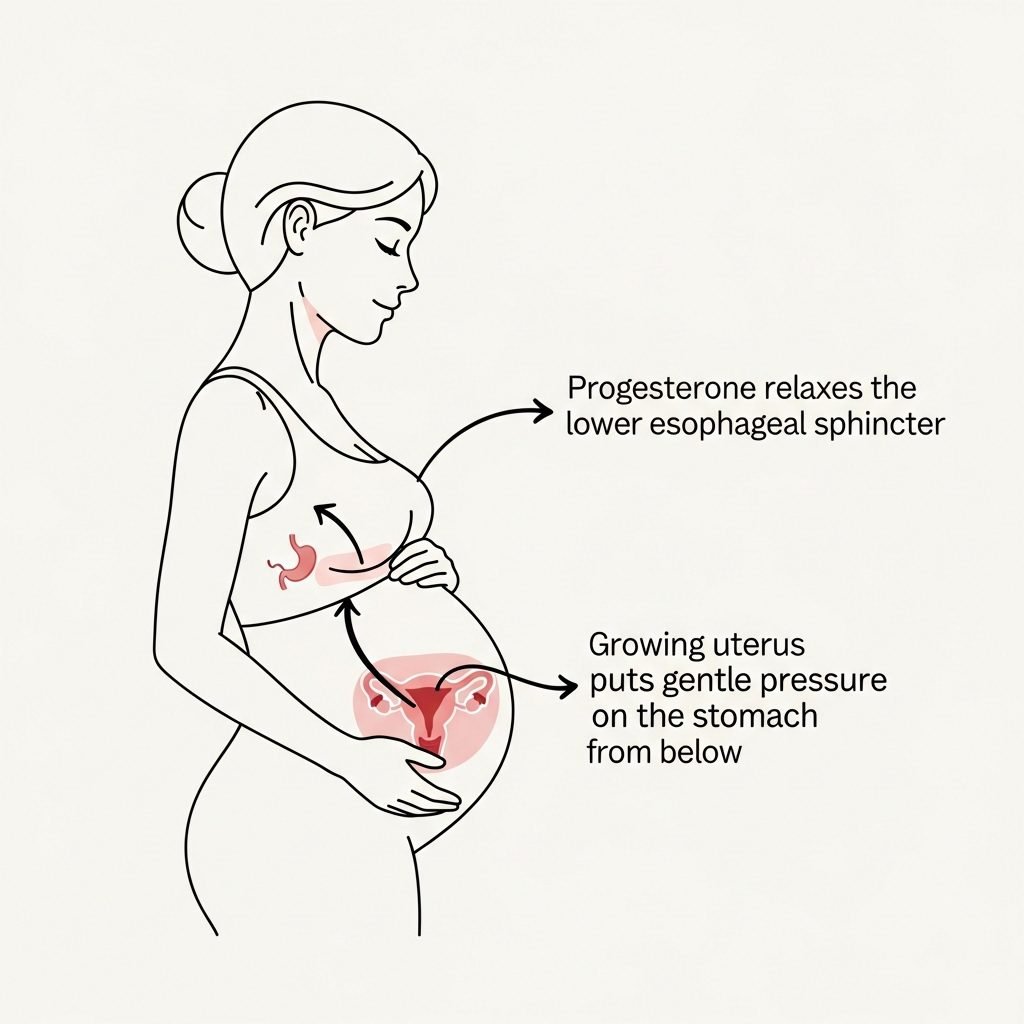
Before we dive into the solutions, let’s take a moment to understand why this is happening. Knowledge is power, and knowing the root cause can help you feel more in control. There are two main culprits behind pregnancy-related acid reflux:
The Hormone Relaxin’ a Little Too Much
During pregnancy, your body produces a hormone called progesterone. Its primary job is to relax the smooth muscles of your uterus to accommodate your growing baby. However, progesterone doesn’t just target the uterus; it relaxes other smooth muscles, too. This includes the lower esophageal sphincter (LES), a muscular valve that separates your esophagus from your stomach. Normally, the LES opens to let food in and then snaps shut to keep stomach acid where it belongs. When relaxed by progesterone, this valve can become a bit lazy, allowing stomach acid to splash back up into the esophagus, causing that signature burning sensation.
The Big Squeeze
As your baby grows, so does your uterus. In the second and especially the third trimester, your expanding uterus begins to push your other organs around, including your stomach. This physical pressure can force stomach acid upward, past the already-relaxed LES. It’s a simple matter of physics—there’s just less room in there! This is why heartburn often worsens as your pregnancy progresses.
Remember: Heartburn is not a sign that you’ve done something wrong. It’s a physiological response to the incredible work your body is doing. Be gentle with yourself.
Hack #1: Master the Art of Mindful Eating

One of the most effective strategies for managing heartburn has nothing to do with what you eat, but how you eat. When you’re pregnant, your digestive system is already under pressure. Overloading it with a large meal is a direct invitation for acid reflux.
Instead of the traditional three large meals a day, try shifting to five or six smaller, snack-sized meals. This approach keeps your stomach from becoming overly full, reducing the pressure on your LES. Think of it as providing a steady, gentle stream of nutrients for you and your baby, rather than a flood.
Furthermore, slow down. We live in a rushed world, but mealtimes during pregnancy are a sacred opportunity to pause. Chew each bite thoroughly. Digestion begins in the mouth, and the more work you do by chewing, the less work your stomach has to do. Put your fork down between bites. Savor the flavors. This mindful approach not only aids digestion but also helps your brain register when you’re full, preventing accidental overeating.
Hack #2: Become a Food Detective and Identify Your Triggers
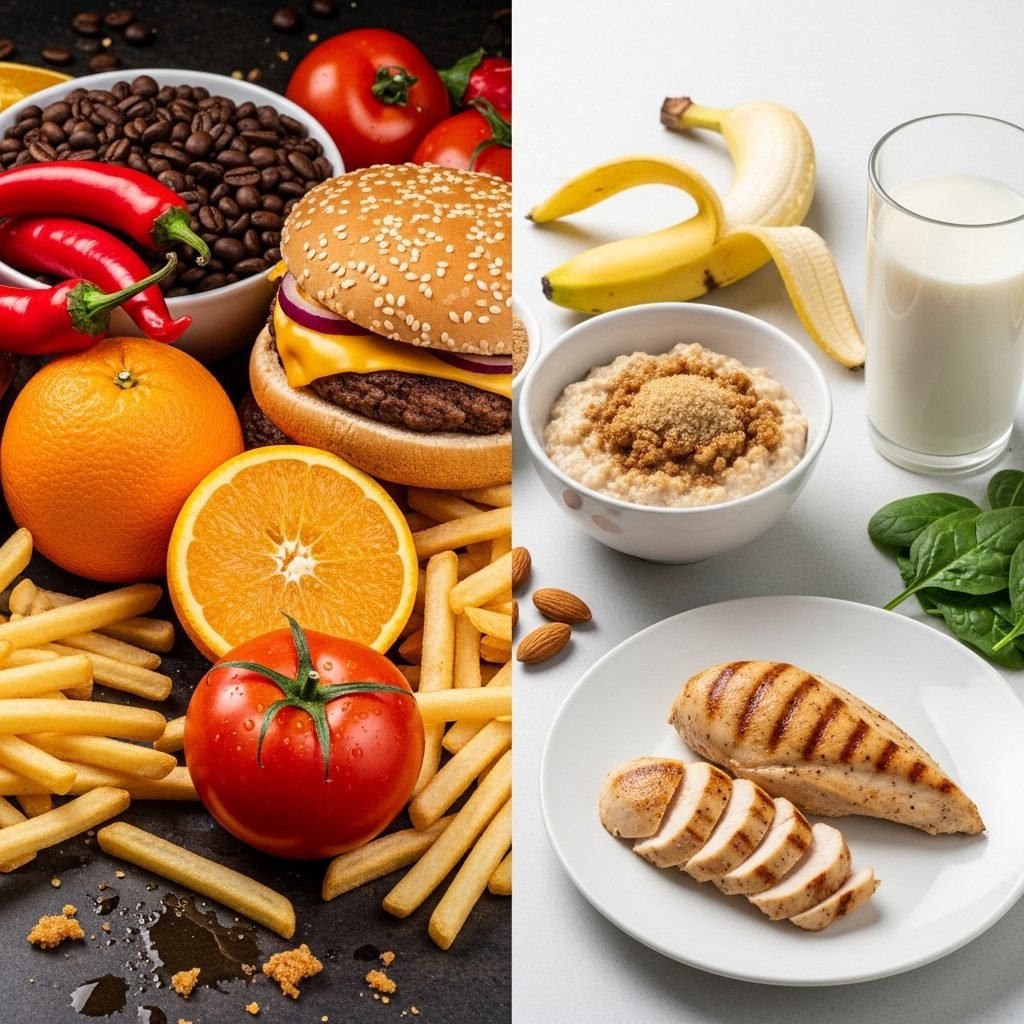
While every person is different, certain foods are notorious for triggering heartburn. Your mission is to become a gentle detective for your own body. Keeping a simple food journal for a week can be incredibly revealing. Note what you ate and how you felt an hour or two later. You might be surprised by the patterns that emerge.
Common culprits often include:
- Spicy Foods: Capsaicin, the compound that gives peppers their heat, can irritate the esophagus.
- Acidic Foods: Tomatoes (and tomato-based sauces), citrus fruits (oranges, grapefruit), and vinegar can increase stomach acidity.
- Fatty or Fried Foods: These foods take longer to digest, meaning they sit in your stomach longer, increasing the opportunity for reflux.
- Chocolate & Peppermint: Delicious as they are, both can relax the LES, making heartburn more likely.
- Caffeine & Carbonated Drinks: Coffee, some teas, and fizzy drinks can all contribute to the burn.
The goal isn’t to eliminate all joy from your diet, but to empower you with knowledge. Once you know your triggers, you can find delicious, soothing alternatives.
| Common Trigger Food | Gentle, Soothing Alternative |
|---|---|
| Spicy Chili or Curry | Mild, herb-seasoned chicken or lentil soup |
| Orange Juice | A slice of melon or a banana smoothie |
| French Fries | Baked sweet potato wedges |
| Coffee or Black Tea | Warm chamomile or ginger tea |
| Chocolate Bar | A bowl of plain yogurt with a drizzle of honey |
Hack #3: Hydration Habits That Help, Not Hurt

Staying hydrated is absolutely crucial during pregnancy, but when you drink your fluids can make a big difference to your digestive comfort. Gulping down a large glass of water right before, during, or after a meal adds significant volume to your stomach. This extra liquid can slosh around and increase the internal pressure, pushing acid up into your esophagus.
The solution is simple: drink your fluids between meals, not with them.
Aim to sip water consistently throughout the day. Keep a water bottle with you at all times as a visual reminder. During your meals, it’s okay to have a few small sips of water if you need it to help swallow your food, but avoid drinking an entire glass. By separating your solids from your liquids, you give your stomach the space it needs to do its job effectively without getting overwhelmed.
Hack #4: Let Gravity Be Your Best Friend

This hack is all about using simple physics to your advantage. When you’re standing or sitting upright, gravity helps keep your stomach contents down where they belong. When you lie down, especially right after eating, you create a level playing field for stomach acid to travel upstream.
Daytime Posture
After a meal, resist the urge to immediately lounge on the sofa or take a nap. Try to stay upright for at least one to two hours after eating. This could be a perfect time for a gentle walk, which also aids digestion, or for sitting in a comfortable chair while you read or chat with your partner.
Nighttime Relief
Nighttime heartburn can be the most disruptive. To combat this, elevate the head of your bed. You can do this by placing sturdy blocks or books under the legs at the head of your bed frame, aiming for a 6- to 8-inch incline. If that’s not possible, use a special wedge pillow designed for acid reflux. Simply piling up regular pillows is less effective, as it tends to bend your body at the waist, which can actually increase abdominal pressure. The goal is a gentle, straight slope from your hips to your head.
Hack #5: Soothe the Burn with Nature’s Antacids
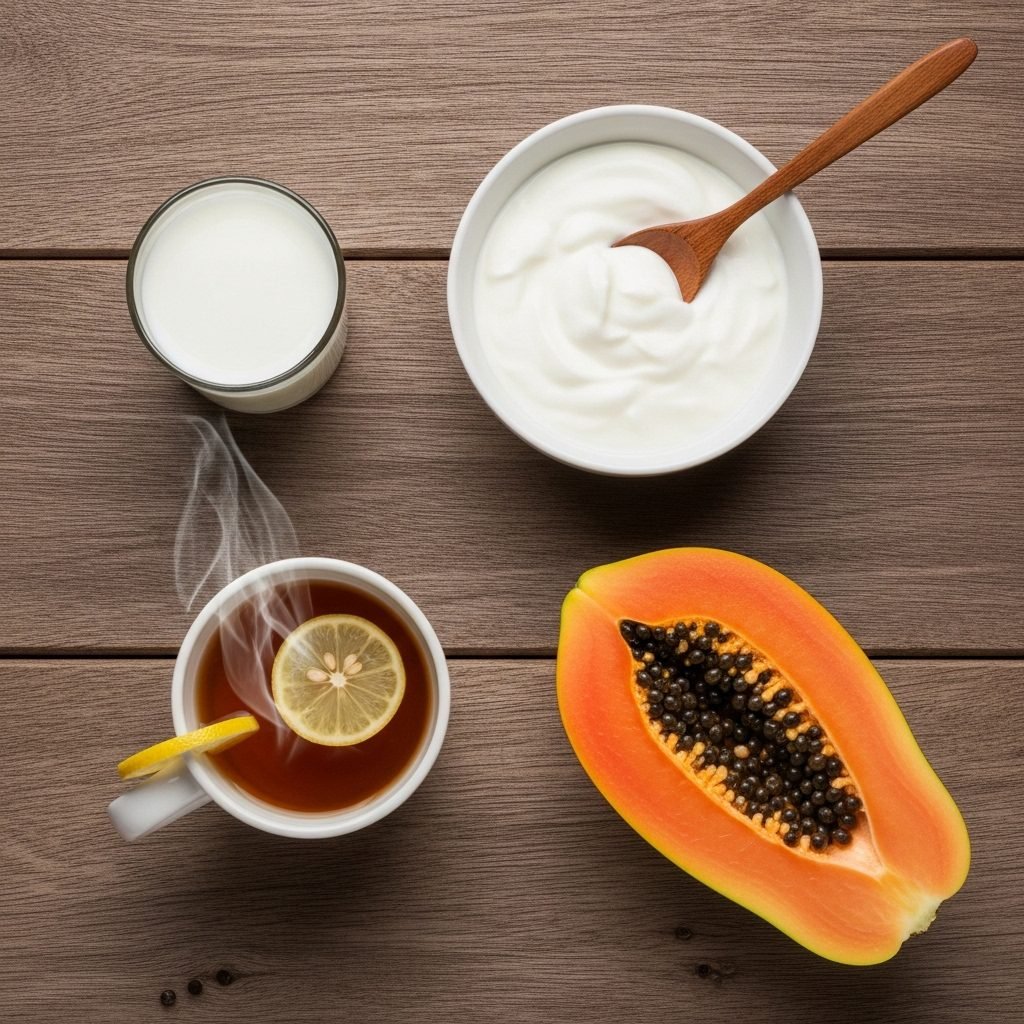
When you feel the fire starting, there are several natural, food-based remedies that can provide quick and gentle relief by neutralizing stomach acid or soothing an irritated esophagus.
- Milk or Yogurt: A small glass of low-fat milk or a few spoonfuls of plain yogurt can offer immediate, temporary relief. The calcium has antacid properties. For those with dairy sensitivities, unsweetened almond milk can have a similar effect due to its alkaline nature.
- Papaya: This tropical fruit contains an enzyme called papain, which aids in protein digestion. You can eat a few slices of fresh papaya after a meal or find chewable papaya enzyme tablets at most health food stores. They can be a lifesaver!
- Ginger: Long hailed as a remedy for nausea, ginger can also help with digestion and reflux. Sip on a warm cup of fresh ginger tea (grate a small piece of ginger into hot water) or chew on a piece of crystallized ginger.
- Apple Cider Vinegar (ACV): This may sound completely counterintuitive—fighting acid with acid? But for some, reflux is caused by too little stomach acid, which causes the LES to function poorly. A teaspoon of raw, unfiltered ACV diluted in a large glass of water can sometimes help restore balance. Important: This doesn’t work for everyone and should be tried with caution. Always dilute it well.
Always check with your doctor or midwife before trying new herbal remedies or supplements during pregnancy to ensure they are safe for you and your baby.
Hack #6: Dress for Digestive Comfort

This is perhaps the easiest hack to implement! Any clothing that is tight around your waist or abdomen puts extra pressure on your stomach. Think about a tight waistband on pants or a restrictive dress—it’s like an external force squeezing your middle, which can easily push stomach contents upward.
Embrace the comfort of maternity wear. Opt for clothing with soft, stretchy waistbands that sit comfortably under your belly. Flowing dresses, maxi skirts, and leggings designed for pregnancy are not just stylish; they are functional tools in your heartburn-fighting arsenal. Freeing your abdomen from constriction gives your digestive system the room it needs to operate without added pressure.
Hack #7: Mindful Movement and Stress Reduction

Your mind and your gut are deeply connected. Stress and anxiety can wreak havoc on your digestive system, often worsening symptoms like heartburn. Integrating gentle movement and relaxation techniques into your daily routine can have a profound impact.
A slow, gentle walk after dinner is a wonderful practice. It combines the benefits of staying upright (our gravity hack!) with movement that stimulates digestion. Avoid strenuous exercise right after eating, as it can agitate your stomach.
Furthermore, carve out time for intentional relaxation. This could be a 10-minute guided meditation using a mindfulness app, practicing deep diaphragmatic breathing, or a prenatal yoga class. These practices help to calm your nervous system, which in turn can help relax your digestive tract and reduce the production of stress-related hormones that may contribute to acid reflux. Finding your calm is not just good for your soul—it’s good for your esophagus, too.
When Natural Hacks Aren’t Enough: Talking to Your Provider

These natural strategies are incredibly effective for managing mild to moderate heartburn for most people. However, it’s essential to recognize when you might need additional support. Your comfort and health are the top priority.
If your heartburn is severe, persistent, preventing you from sleeping, or causing you to lose weight, it’s time to have a conversation with your doctor or midwife. Please don’t suffer in silence. They can assess your symptoms and, if necessary, recommend pregnancy-safe over-the-counter antacids like Tums or certain liquid antacids. It is crucial that you do not take any medication, even over-the-counter options, without first getting approval from your healthcare provider. They are your partners on this journey and are there to ensure both you and your baby remain healthy and safe.
Conclusion
Navigating the physical challenges of pregnancy, like heartburn, is a testament to your strength and resilience. While the fire in your throat can feel overwhelming, remember that you have an entire toolkit of gentle, natural, and powerful strategies to find relief. By becoming a mindful eater, identifying your personal triggers, leveraging gravity, and embracing nature’s soothing remedies, you can take back control and find comfort.
Listen to your body, be patient with yourself, and never hesitate to lean on your support system—including your healthcare provider. You are doing an amazing job growing a human, and managing these symptoms is just one small part of that incredible journey. You’ve got this.
Medical Disclaimer: The information provided in this article is for informational purposes only and is not intended as a substitute for professional medical advice, diagnosis, or treatment. Always seek the advice of your physician or other qualified health provider with any questions you may have regarding a medical condition. Never disregard professional medical advice or delay in seeking it because of something you have read here.