

Is That Itch Dangerous? The Scary Signs Of Cholestasis Every Mom Needs To Know
Pregnancy is a journey filled with new sensations, and for many, that includes itchy skin. As your beautiful belly stretches to accommodate your growing baby, a certain amount of itchiness is completely normal. But what if the itch feels different? What if it’s relentless, intense, and keeping you up at night? Your intuition might be telling you that this is more than just dry skin, and it’s so important to listen to that voice.
You are not overreacting. Sometimes, a severe itch during pregnancy can be a warning sign of a serious liver condition called Intrahepatic Cholestasis of Pregnancy (ICP). While the name sounds intimidating, understanding it is the first step toward protecting yourself and your baby. We know how scary it can be to navigate new and worrying symptoms. As your doula and guide, we are here to walk you through the signs of cholestasis, explain why it happens, and empower you with the information you need to advocate for your health and get the care you deserve. You know your body best, and we’re here to support you in trusting it.
What Exactly Is Intrahepatic Cholestasis of Pregnancy (ICP)?
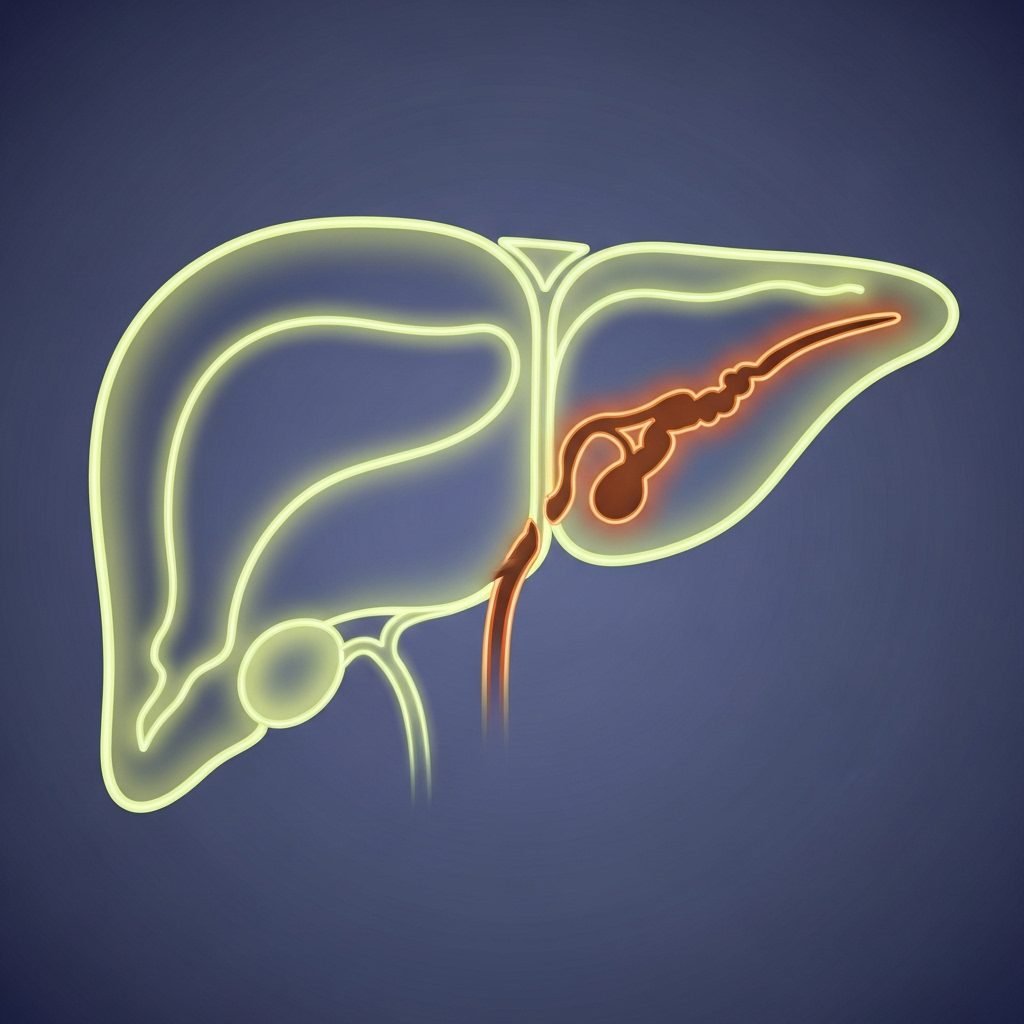
Let’s break down this complex-sounding condition into something simple and understandable. Your liver produces a digestive fluid called bile, which helps your body break down fats. Normally, this bile flows from your liver to your gut through small tubes called bile ducts. Think of it like a free-flowing river.
In Intrahepatic Cholestasis of Pregnancy (ICP), that river gets blocked. The high levels of pregnancy hormones (estrogen and progesterone) can slow down or even stop the flow of bile from the liver. This creates a ‘traffic jam,’ causing bile acids to build up in your liver and spill over into your bloodstream. It’s these bile acids circulating in your blood that deposit in the skin and cause the signature, intense itching of cholestasis.
While the exact cause isn’t fully understood, a combination of genetic predisposition, hormonal influences, and environmental factors is thought to play a role. If your mother or sister had ICP, you might have a higher chance of developing it, too. It most commonly appears in the third trimester when hormone levels are at their peak, but it can occur earlier. The good news is that for the mother, the condition typically resolves completely within a few days after delivery. The primary concern, and the reason we take it so seriously, is the potential risk it poses to the baby.
The Telltale Signs: Recognizing Cholestasis Symptoms

The number one symptom of cholestasis is pruritus, the medical term for severe itching. But this isn’t your average, everyday itch. Understanding the specific characteristics is key to identifying a potential problem.
The Cholestasis Itch
The itching associated with ICP often has these distinct features:
- Location: It classically starts on the palms of your hands and the soles of your feet. This is a major red flag. While it can spread to other parts of the body like the arms, legs, and torso, the hands-and-feet presentation is highly indicative.
- Intensity: It is often moderate to severe, and many women describe it as maddening or unbearable.
- Timing: The itchiness typically worsens in the evening and at night, frequently disrupting sleep.
- No Rash: A crucial point is that the itching occurs without a primary rash. You might have redness or scratch marks from the itching itself, but there are no underlying bumps, hives, or blisters like you might see with other skin conditions.
To help you differentiate, here is a comparison of common pregnancy itching versus the kind that warrants a call to your doctor:
| Symptom | Normal Pregnancy Itching | Potential Cholestasis Itching |
|---|---|---|
| Location | Mainly on the belly, breasts, or areas with stretch marks. | Starts on the palms of hands and soles of feet; can become widespread. |
| Rash | Often associated with a visible rash, like PUPPP (pruritic urticarial papules and plaques of pregnancy). | No rash present. Skin may be red or broken from scratching. |
| Intensity | Mild to moderate; often relieved by moisturizers. | Moderate to severe; relentless and not easily soothed. |
| Timing | Can occur anytime. | Significantly worse at night. |
Other, Less Common Symptoms
While itching is the main event, some women with ICP may also experience:
- Dark-colored urine
- Pale or light-colored bowel movements (gray or clay-colored)
- Jaundice (a yellowing of the skin and whites of the eyes)
- Pain in the upper right quadrant of your abdomen (where your liver is)
- Nausea or loss of appetite
- Fatigue beyond typical pregnancy tiredness
“Trust your body. If an itch feels frantic, deep, and unlike anything you’ve experienced, it’s worth a conversation with your provider. You are never a burden for asking a question that could protect your baby.”
Why Is Cholestasis Dangerous? Understanding the Risks to Your Baby

Hearing that you might have a high-risk condition is incredibly stressful, and it’s natural to feel scared. Let’s talk openly and honestly about the risks. It’s important to know that the discomfort of ICP is felt by the mother, but the health risks are primarily for the baby. This is because the high levels of bile acids can cross the placenta and affect your little one.
When cholestasis is not diagnosed or managed, it can increase the risk of several complications. The high concentration of bile acids is stressful for the baby and can lead to:
- Preterm Labor: The condition can irritate the uterus, leading to an increased chance of going into labor early.
- Fetal Distress: The stressful environment can cause changes in the baby’s heart rate, indicating they are not coping well.
- Meconium Aspiration: The baby may pass their first stool (meconium) into the amniotic fluid before birth. If they inhale this stained fluid, it can cause serious breathing problems.
- Stillbirth: This is the most serious risk and the reason we are so vigilant. The risk increases the longer the pregnancy continues with high bile acid levels, particularly after 37 weeks.
Reading this list can be terrifying, but please take a deep breath. With proper diagnosis, active management, and careful monitoring by your healthcare team, these risks are significantly reduced. Identifying the condition is the most critical step. Once your provider knows you have ICP, they will create a plan to monitor your baby closely and determine the safest time for you to deliver, ensuring the best possible outcome for both of you.
Getting a Diagnosis: What to Expect at Your Doctor’s Office

If you are experiencing the symptoms we’ve discussed, especially intense itching on your hands and feet without a rash, it’s time to advocate for yourself. Do not dismiss your concerns or wait for your next scheduled appointment.
When to Call Your Doctor or Midwife
Call your provider immediately. When you call, be specific. Say, “I am experiencing severe itching, especially on the palms of my hands and soles of my feet, and I am concerned about cholestasis.” Using the medical term shows you are informed and helps them understand the urgency. Insist on being seen and tested.
The Diagnostic Process
When you go in for your appointment, here is what you can likely expect:
- Symptom Review: Your provider will ask detailed questions about your itching—where it is, when it started, what time of day it’s worst, and if anything makes it better or worse.
- Physical Exam: They will examine your skin to look for any rashes that could point to a different diagnosis and may gently press on your abdomen.
- Blood Tests: This is the most important part of the diagnosis. They will order blood work to check two key things:
- Bile Acid Test: This is the definitive test for ICP. It measures the level of bile acids in your blood. A result above 10 micromoles/L is typically diagnostic. It’s important to know that results for this test can sometimes take several days to a week to come back. Your doctor may start treatment based on symptoms even before the results are confirmed.
- Liver Function Tests (LFTs): This panel checks for elevated liver enzymes (like ALT and AST), which are also common in cholestasis.
Waiting for test results can feel like an eternity. Use this time to practice self-care. Take cool baths, wear loose cotton clothing, and try to rest as much as possible. Lean on your partner and support system. You’ve done the right thing by seeking answers.
Managing Cholestasis: Treatment, Monitoring, and Your Birth Plan

Receiving a cholestasis diagnosis can feel overwhelming, but it also means you now have a clear path forward. Your healthcare team will immediately implement a management plan focused on two goals: relieving your symptoms and protecting your baby until a safe delivery.
Medication and Symptom Relief
The primary medical treatment for ICP is a medication called Ursodeoxycholic acid (UDCA), also known as Actigall or Urso. This medication helps to lower the concentration of bile acids in your bloodstream. For many women, this not only reduces the risks to the baby but also provides significant relief from the relentless itching. The itching may not disappear completely, but it often becomes much more manageable.
For at-home comfort, you can try:
- Taking lukewarm or cool baths (sometimes with oatmeal).
- Wearing loose-fitting, breathable cotton clothing.
- Keeping your skin well-moisturized with a gentle, unscented lotion (storing it in the fridge can feel extra soothing).
- Using ice packs on your hands and feet during intense bouts of itching.
Closer Monitoring for Your Baby
Your prenatal care will now become more frequent and intensive. This is to keep a close eye on your baby’s well-being. You can expect:
- Regular Bile Acid Tests: Your blood will be drawn periodically to monitor your bile acid levels and ensure the medication is working.
- Non-Stress Tests (NSTs): You will likely have NSTs once or twice a week. This involves monitoring the baby’s heart rate for about 20-30 minutes to see how it responds to their movements.
- Biophysical Profiles (BPPs): A BPP is an ultrasound that assesses four key markers of your baby’s health: their breathing movements, body movements, muscle tone, and the amount of amniotic fluid.
Adjusting Your Birth Plan
The most significant change to your birth plan will be the timing of delivery. To minimize the risk of stillbirth associated with prolonged exposure to high bile acids, delivery is typically recommended between 36 and 38 weeks of gestation. The exact timing will depend on your bile acid levels, your symptoms, and how the baby is doing. This means that an induction of labor is very likely. While this might be different from the birth you originally envisioned, remember that this is a proactive, protective measure to ensure you bring your baby home safely. Discuss all your options and concerns about induction with your provider so you can feel prepared and confident.
Conclusion
Navigating a cholestasis diagnosis is a testament to your strength and your deep love for your child. It’s a journey that demands you become a fierce advocate for yourself and your baby, and you are more than capable of doing it. Remember the key takeaways: not all itching in pregnancy is normal, and an intense itch on your hands and feet is always a reason to call your doctor. Trust your intuition. It is your most powerful tool.
While the path may involve more appointments, tests, and a change in your birth plan, it is a manageable one. With a supportive medical team and a proactive plan, the prognosis for both you and your baby is excellent. You are taking every step necessary to ensure a safe arrival. Be gentle with yourself through this process, lean on your village for support, and know that you are doing an amazing job.
Medical Disclaimer
The information provided in this article is for educational and informational purposes only and is not intended as medical advice. It is not a substitute for professional medical advice, diagnosis, or treatment. Always seek the advice of your physician or other qualified health provider with any questions you may have regarding a medical condition. Never disregard professional medical advice or delay in seeking it because of something you have read in this article.