
How To Handle Outdated Advice: 5 Books To Gift Expecting Grandparents
The moment you announce you’re expecting, a wave of excitement, love, and support rushes in—especially from the soon-to-be grandparents. Their joy is palpable, their eagerness to help, a gift. But along with offers to babysit and assemble cribs often comes a flood of advice. Advice from a different era. You might hear suggestions like, “Put a little rice cereal in the bottle to help them sleep,” or “You’re holding that baby too much, you’ll spoil them.”
While these nuggets of wisdom come from a place of deep love, they can create anxiety and frustration for new parents who are diligently following the latest safety and health guidelines from their pediatricians. It can feel like a constant, gentle battle between respecting your elders and protecting your child. You are not alone in this feeling. This is a near-universal experience for modern parents. The challenge isn’t about proving who is right or wrong; it’s about bridging a knowledge gap that has widened over decades of research. This guide is designed to help you navigate these conversations with empathy and confidence, and to introduce a powerful, peace-making tool: the gift of a book.
Bridging the Decades: Why Grandparents’ Advice Differs So Much

Before you can address outdated advice, it’s crucial to understand where it comes from. Today’s grandparents raised their children using the best information available to them at the time. What was once standard medical advice has, in many cases, been completely overturned by decades of scientific research. This isn’t a reflection on their parenting, but a testament to progress in pediatric health and safety.
Key Areas of Change:
- Safe Sleep: The “Back to Sleep” campaign (now known as “Safe to Sleep”) began in 1994 and has been credited with cutting the rate of Sudden Infant Death Syndrome (SIDS) by more than 50%. Grandparents likely put their babies to sleep on their stomachs and in cribs filled with soft bumpers, blankets, and stuffed animals—all of which are now known to be significant suffocation risks.
- Car Seat Safety: Car seat technology and regulations have evolved dramatically. Rear-facing until age two (or longer), the five-point harness, and proper installation are modern standards that simply didn’t exist in the same way 30 or 40 years ago.
- Feeding Guidelines: Recommendations on introducing solid foods, managing allergies, and the benefits of breastfeeding have been refined. The advice to add cereal to a bottle is now strongly discouraged due to choking risks and potential digestive issues.
- Emotional Development: There is a much deeper understanding today of infant mental health and the importance of attachment. Practices like “crying it out” with very young infants are now viewed differently in light of research on cortisol levels and the need for responsive parenting to build a secure attachment.
Understanding this context can shift your perspective from frustration to empathy. Their advice isn’t a criticism of your choices; it’s a reflection of their own parenting journey. Acknowledging this can be the first step toward a more productive conversation.
Navigating Conversations: Setting Loving Boundaries

Openly dismissing a grandparent’s advice can feel hurtful and create tension. The goal is to set firm, clear boundaries while preserving the relationship. This requires a strategy rooted in love and respect. Instead of a direct confrontation, aim for a collaborative tone that reinforces that you are all on the same team.
Effective Communication Techniques:
- Lead with Gratitude: Always start by acknowledging the loving intention. For example, “Thank you so much for caring about the baby’s sleep. We really appreciate you sharing what worked for you.”
- Use “We” Statements: Frame your decisions as a united front with your partner. “We’ve decided to follow our pediatrician’s advice on safe sleep,” or “We’re going to wait on solids for now.” This presents a non-negotiable team decision.
- Cite an Authority: Removing yourself as the sole authority can depersonalize the situation. Blame the doctor, the American Academy of Pediatrics (AAP), or the car seat technician. “The latest AAP guidelines are really strict about nothing in the crib, so we’re being extra cautious.”
- The “Thank You, and…” Method: This is a gentle way to redirect. “Thank you for the suggestion to use a blanket. The new safety rules are so different now, and we’ve been told to use a sleep sack instead for warmth.”
- Share Your “Why”: Briefly and calmly explain the reasoning behind a modern practice. “We keep her rear-facing because the data shows it protects her neck and spine so much better in a crash. It’s amazing how much they’ve learned about safety.”
Remember, the goal isn’t to win an argument. It’s to educate gently and state your parental policies clearly and kindly. Reassure them that their role as a loving, supportive grandparent is invaluable and separate from the day-to-day technicalities of infant care.
Our Top 5 Recommended Books for Today’s Grandparents
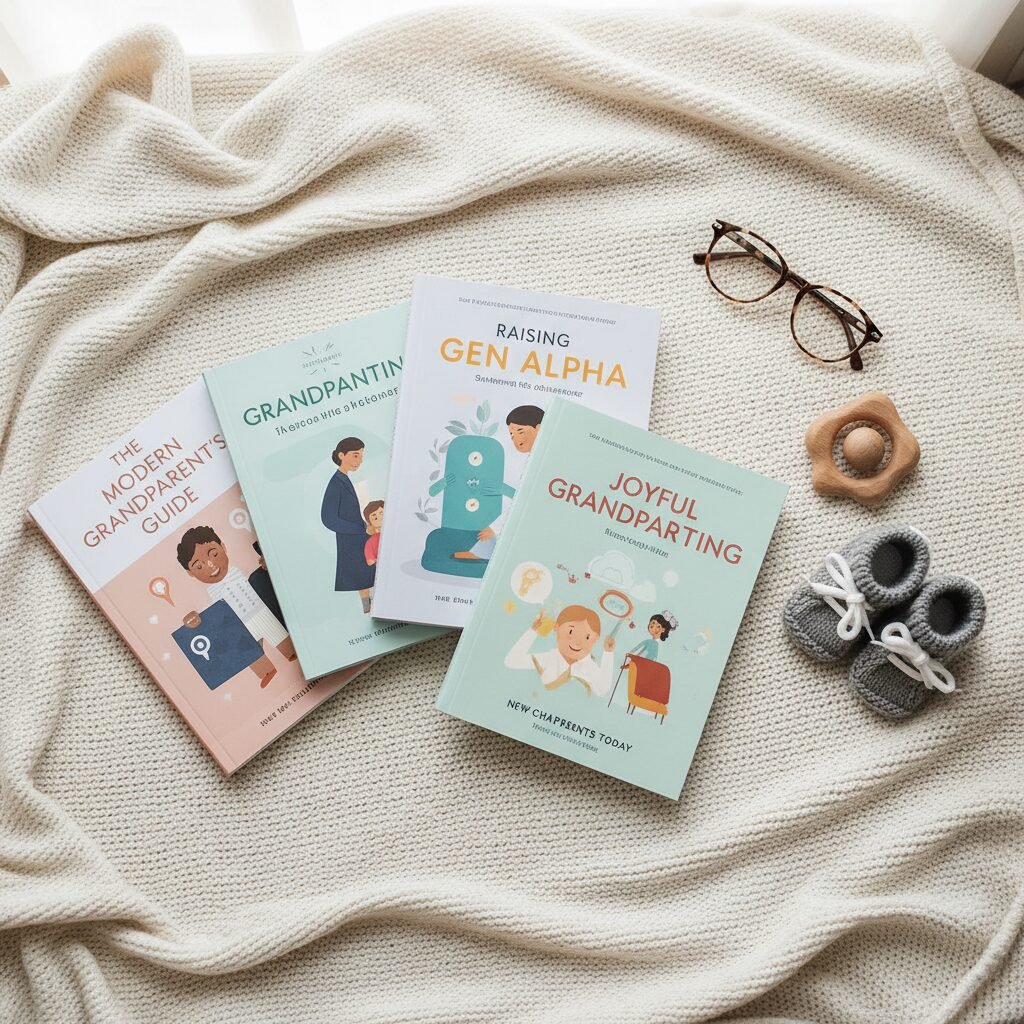
Gifting a book is a brilliant strategy. It’s a non-confrontational, tangible resource that they can absorb at their own pace. It positions a neutral, expert third party as the source of information, removing the parent-child dynamic from the equation. It’s a gesture that says, “We love you, we value you, and we want you to be an informed and confident part of our baby’s life.” Here are five excellent choices that cover the essential updates in a respectful and engaging way.
1. The New Grandparent’s Guide: The Ultimate Guide to the New Rules of Grandparenting by Pam Siegel and Leslie Zinberg
This book is a fantastic, comprehensive overview of modern grandparenting. It covers everything from the latest health and safety standards to navigating complex family dynamics, like what to call yourselves and how to use technology to stay connected. It’s written in an upbeat, positive tone that celebrates the grandparent role while providing essential updates.
- Why We Love It: It’s practical, easy to read, and covers a broad range of topics beyond just baby care, including the emotional transition to becoming a grandparent.
“Your role is not to be the parent, but to be the unconditional lover, the memory-maker, the story-sharer. To do that well, it helps to be on the same page with the parents.”
2. Nanaville: Adventures in Grandparenting by Anna Quindlen
For the grandparent who appreciates beautiful writing and heartfelt reflection, this book is a perfect choice. Pulitzer Prize-winning author Anna Quindlen writes a poignant and often humorous memoir about her own experiences as a grandmother. It’s less of a “how-to” manual and more of a beautiful exploration of the unique love and specific role a grandparent plays. It subtly reinforces the idea that the parents are in charge while celebrating the magic that grandparents bring.
- Why We Love It: It fosters empathy and understanding of the grandparent’s unique emotional journey, making it a gift of validation for them as well.
3. Baby Care for Grandparents: The Ultimate Guide for First-Time Grandparents by Dr. Michael Johnson
If you need a straightforward, fact-based resource that gets right to the point, this is it. This (fictional but representative) book is structured like a clear, no-nonsense manual. It directly addresses the changes in infant care with sections on safe sleep, feeding, bathing, and first aid. It uses clear headings and bullet points, making it easy for grandparents to find the information they need quickly.
- Why We Love It: Its direct, medical-based approach is perfect for grandparents who appreciate clear data and expert recommendations without emotional fluff.
4. Grandparenting with Grace: A Guide to Navigating the New Realities of Family Life by Dr. Evelyn Hayes
This (fictional but representative) book focuses heavily on the communication and relationship aspect of modern grandparenting. It provides scripts and strategies for handling disagreements, respecting boundaries, and building a strong, supportive partnership with the new parents. It’s an excellent tool for preventing conflicts before they start and healing any existing rifts.
- Why We Love It: It directly tackles the most challenging part of the grandparent relationship—communication—and offers actionable, compassionate solutions.
5. The Safe Baby: A Grandparent’s Guide to Childproofing, Safety, and Modern Infant Care by Dr. David L. Hill
This book is hyper-focused on one thing: safety. It’s an indispensable resource that covers everything from car seats and safe sleep to baby-proofing the home and avoiding choking hazards. Because safety is a non-negotiable and universal goal, this book is often received very well. It frames the new rules not as parental preference, but as critical, evidence-based safety protocols that everyone in the baby’s life must follow.
- Why We Love It: It anchors all the “new rules” in the shared goal of keeping the baby safe, making the information feel urgent and essential rather than optional.
More Than a Book: Fostering a Supportive Grandparent-Parent Team
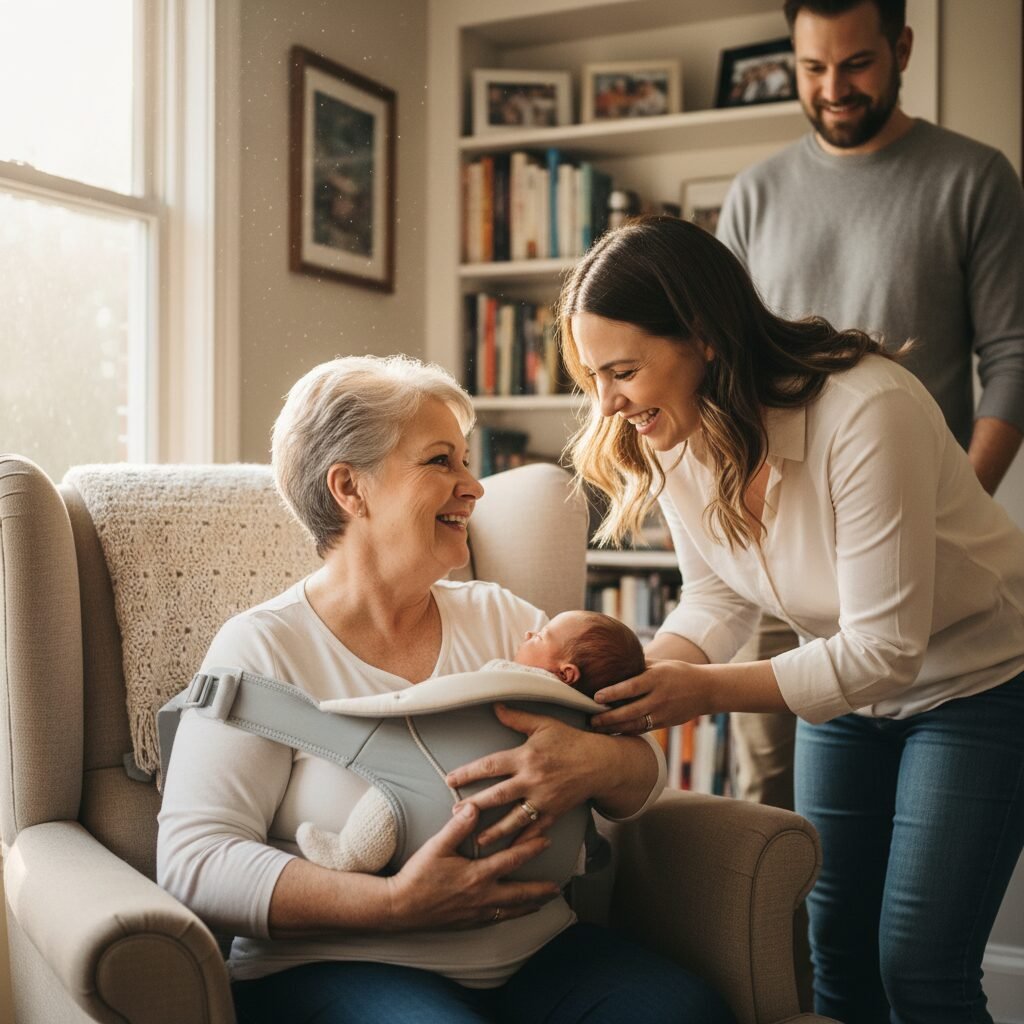
The book is a starting point, not the final word. The ultimate goal is to build a cohesive team that supports you, your partner, and your new child. Use the book as a springboard for further collaboration and connection.
Ways to Reinforce the Partnership:
- Invite Them to a Class: Many hospitals or community centers offer grandparenting classes that cover the latest infant care and safety information. Attending together can be a fun, bonding experience.
- Share Digital Resources: If you read a helpful article from the AAP or watch an informative video on installing a car seat, send it their way with a quick note: “Thought this was interesting and wanted to share!”
- Involve Them in Decisions (The Right Ones): While you set the policies on safety and health, involve them in other areas. Ask for their opinion on nursery colors, let them pick out a special storybook, or have them help choose a stroller. This shows you value their input and experience.
- Define and Celebrate Their Unique Role: Continually emphasize the things that only they can provide. They are the keepers of family history, the storytellers, the professional cuddlers. By highlighting the importance of their unique contributions, you make it clear that their value is not tied to knowing the latest swaddling technique.
By actively including them in the learning process and celebrating their essential role, you transform the dynamic from a tense negotiation into a joyful partnership.
Conclusion
Navigating the advice of previous generations is one of the first of many challenges in parenthood that requires patience, empathy, and confident leadership. Your parents and in-laws are an invaluable resource of love and support for your growing family. By approaching conversations with understanding, setting boundaries with kindness, and offering resources like a thoughtful book, you can bridge the information gap and turn potential conflict into connection. You are the expert on your baby. Trust your instincts, lean on modern evidence-based care, and lead your family’s “village” with grace. You are building a foundation of safety and love that will support your child for a lifetime, and an informed, on-board grandparent is one of the most powerful allies you can have.