
How To Build A Strong Bond Between A Teenager And A Newborn
Bringing a new baby into the world is a momentous occasion, filled with joy, anticipation, and a profound sense of love. When you’re also parenting a teenager, this joy is accompanied by a unique set of questions and concerns. How will your older child, who has been the center of your universe for a decade or more, adapt to this significant change? How do you bridge a generational gap under the same roof and foster a genuine bond rather than a sense of obligation?
You are not alone in asking these questions. Many parents find themselves navigating this beautiful yet complex dynamic. The fear of jealousy, resentment, or disconnection is valid. Your teenager is in the throes of building their own identity, managing social pressures, and striving for independence. A newborn, with their constant and immediate needs, can feel like an interruption to the established family rhythm. However, this significant age gap also presents a powerful opportunity—a chance to cultivate a unique, mentor-like relationship that can enrich both of their lives in immeasurable ways. This guide will provide you with empathetic, evidence-based strategies to build that bridge, transforming potential challenges into a foundation for a deep and lasting sibling connection.
Bridging Two Worlds: Understanding Your Teenager’s Perspective

Before you can build a bridge, you must understand the landscape on both sides. Your teenager’s world is a whirlwind of developmental changes, social pressures, and self-discovery. A new baby doesn’t just add a family member; it fundamentally alters the teenager’s role, environment, and relationship with you. Acknowledging their perspective is the first and most critical step.
The Adolescent Experience
Adolescence is a period of profound transformation. Your teen is grappling with:
- Identity Formation: They are figuring out who they are separate from their family. Their friends, hobbies, and personal space are paramount to this process.
- Increased Independence: They are naturally pulling away from parents and seeking more autonomy over their time and decisions.
- Social Pressures: Peer relationships are often the most important aspect of their life. Fitting in and maintaining their social standing can be a major source of stress.
- Academic Demands: Schoolwork, exams, and thoughts about the future weigh heavily on their minds.
A newborn’s arrival can feel like a direct challenge to these developmental needs. Their quiet space for homework might be interrupted by crying, their social plans might be canceled because of a tired parent, and their identity as ‘the child’ is suddenly shared.
“It’s essential for parents to validate the teenager’s feelings of disruption. Their life is being turned upside down, just as yours is. Ignoring or minimizing their experience can breed resentment, whereas acknowledging it opens the door for communication and connection.” – Dr. Aliza Pressman, Developmental Psychologist
Potential Feelings to Anticipate
Your teenager may not articulate their feelings clearly, but their behavior might signal underlying emotions such as:
- Feeling Replaced: After being an only child or the ‘baby’ for so long, seeing the attention shift so dramatically to a newborn can trigger feelings of jealousy or insecurity.
- Resentment: They might resent the new baby for the chaos they bring or resent you for being less available.
- Pressure: There’s often an unspoken expectation that the older sibling will be a ‘built-in babysitter.’ This pressure can feel burdensome and unfair, turning a potential joy into a chore.
- Awkwardness or Disinterest: A teen may simply not know how to interact with a baby. Their apparent lack of interest might be shyness or uncertainty rather than a true lack of caring.
Understanding these potential reactions allows you to approach your teenager with empathy, patience, and a proactive strategy for inclusion.
Building Bridges: Practical Strategies for Fostering Connection
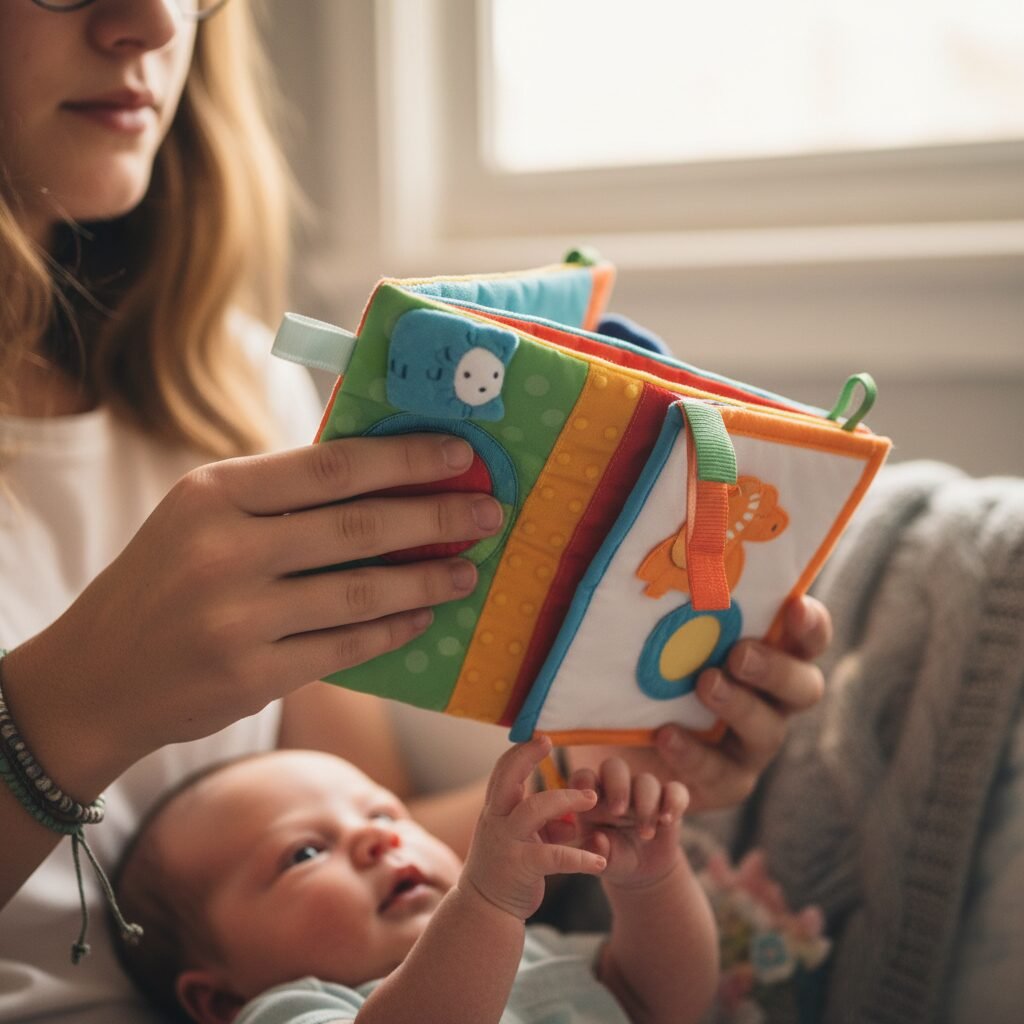
Fostering a bond is an active process, not a passive hope. It requires intentional effort to create opportunities for positive interaction while respecting your teenager’s individual needs. The goal is to facilitate a relationship, not force one.
1. Involve, Don’t Mandate
The difference between an invitation and a demand is everything. Frame involvement as a choice, giving your teen agency and control. Instead of saying, “You need to watch the baby,” try offering specific, low-pressure options: “I’m about to give the baby a bath, would you like to be in charge of picking out the cozy pajamas and lotion?” This allows them to participate on their own terms.
2. Create a ‘Special Role’
Give your teenager a unique role that only they can fill. This empowers them and creates a special connection point with the baby. Ideas include:
- The Official Storyteller: Task them with reading a specific book each night.
- The Music Curator: Have them create a playlist of calming lullabies or their own favorite gentle music to share with the baby.
- The Fashion Consultant: Let them pick the baby’s ‘outfit of the day’ for a family outing.
- The Documentarian: If they enjoy photography or social media, they can be in charge of taking a ‘photo of the week’ to track the baby’s growth.
3. Protect Their Time, Space, and Identity
Your teenager’s life outside the family is vital. Make it clear that the new baby is an addition to the family, not a replacement for their life. Respect their need for a closed door, uninterrupted homework time, and evenings out with friends. When you protect their independence, they will be more open and willing to engage with the family when they are home.
4. Prioritize One-on-One Time
This is non-negotiable. Your teenager still needs to know they are a priority. Schedule regular, dedicated time with them, even if it’s just a 20-minute walk to grab a coffee or watching an episode of a show together after the baby is asleep. During this time, focus entirely on them. Ask about their friends, their classes, their interests. This reassures them that your bond is unshakable and that they haven’t been lost in the shuffle.
Navigating the Bumps: Addressing Common Challenges with Empathy

Even with the best intentions, challenges will arise. Navigating jealousy, setting boundaries around help, and managing your own energy are all part of the process. Open, honest, and respectful communication is your most powerful tool.
The ‘Built-in Babysitter’ Trap
It’s tempting to rely on your capable older child for help, but this can quickly lead to burnout and resentment. It’s crucial to set clear expectations. If you need them to babysit, treat it as you would any other sitter: ask in advance, respect their schedule, and offer compensation. Acknowledge their help with genuine gratitude. Saying, “Thank you so much for holding the baby while I took a shower, that made a huge difference in my day,” is far more effective than taking their help for granted.
Managing Difficult Emotions
When you see signs of jealousy or frustration, resist the urge to dismiss them. Validate the feeling first. “It seems like you’re feeling frustrated that the baby is crying so much tonight. I get it, it’s a lot for me too.” Opening the door with empathy makes it safer for them to talk about what’s really going on. Below is a guide to productive communication:
| Helpful Communication Approach | Unhelpful Communication Pitfall |
|---|---|
| “I know things have been different since the baby came home. How are you feeling about it all?” | “You need to be more understanding. Having a new baby is hard on everyone.” |
| “Your help with that diaper change was amazing. Thank you. Would you be willing to help again tomorrow?” | “It’s your turn to change the diaper.” |
| “I miss our one-on-one time. Let’s plan something just for us this weekend.” | “Why don’t you ever want to spend time with the family anymore?” |
| “It’s okay to feel annoyed by the crying. Let’s put on your headphones for a bit.” | “Just ignore it. You need to get used to it.” |
The Shifting Parent-Teen Dynamic
Remember that your relationship with your teenager is also changing. You’re likely more tired and have less emotional bandwidth. Be transparent about this. Apologize if you’re short-tempered. Say, “I’m sorry I was grumpy earlier. I’m really exhausted, but that’s not your fault. I love you.” This models emotional intelligence and maintains the strength and trust in your own relationship, which is the foundation for the entire family’s well-being.
Looking Ahead: The Lifelong Gift of a Sibling Bond

While the initial adjustment period can be demanding, it’s helpful to keep your eyes on the long-term benefits. The bond between siblings with a large age gap is incredibly special and offers unique advantages for both children as they grow.
A Unique Mentor and Role Model
Your teenager has the opportunity to be a different kind of role model than a parent can be. They can introduce their younger sibling to music, books, and ideas from a younger, more relatable perspective. As the little one grows, their older sibling will be a source of advice on everything from navigating school hallways to dealing with friendships—a confidant who has ‘been there’ more recently than you have.
Benefits for the Teenager
This relationship also profoundly benefits your older child. It cultivates empathy, patience, and a sense of responsibility. Learning to care for and connect with a vulnerable baby can be a powerful lesson in compassion. They get a firsthand look at parenting, which can shape their own future choices. It also solidifies their role as the wise, mature elder in the family, which can be a source of pride and confidence.
“You are not just raising children; you are cultivating a family ecosystem. The relationship between your teenager and your newborn is a vital part of that system. Nurture it with patience, and it will grow into a source of strength and support that lasts a lifetime.”
A Stronger Family Unit
Ultimately, a positive bond between your oldest and youngest strengthens the entire family. It creates a shared sense of history and connection that transcends the generational gap. The love and inside jokes they will share, the protective instincts of the older sibling, and the adoration of the younger one all weave together to create a richer, more resilient family tapestry. This effort you are putting in now is an investment in a future filled with more love, support, and connection for everyone.
Conclusion
Navigating the introduction of a newborn into a family with a teenager is a journey of patience, empathy, and intentional connection. It’s about honoring your teenager’s world while gently inviting them into the baby’s. By validating their feelings, offering choices instead of commands, fiercely protecting your one-on-one time, and communicating with honesty and love, you lay the groundwork for a truly remarkable relationship.
There will be moments of frustration and discord, but these are outweighed by the profound moments of tenderness—the first time your teen voluntarily soothes the baby, the first shared giggle, the first protective glance. Remember that you are not trying to bridge a gap, but rather to build a beautiful, unique, and enduring bridge. This bridge won’t just connect your oldest and youngest; it will become a cornerstone of your family’s strength, supporting them both for the rest of their lives.