
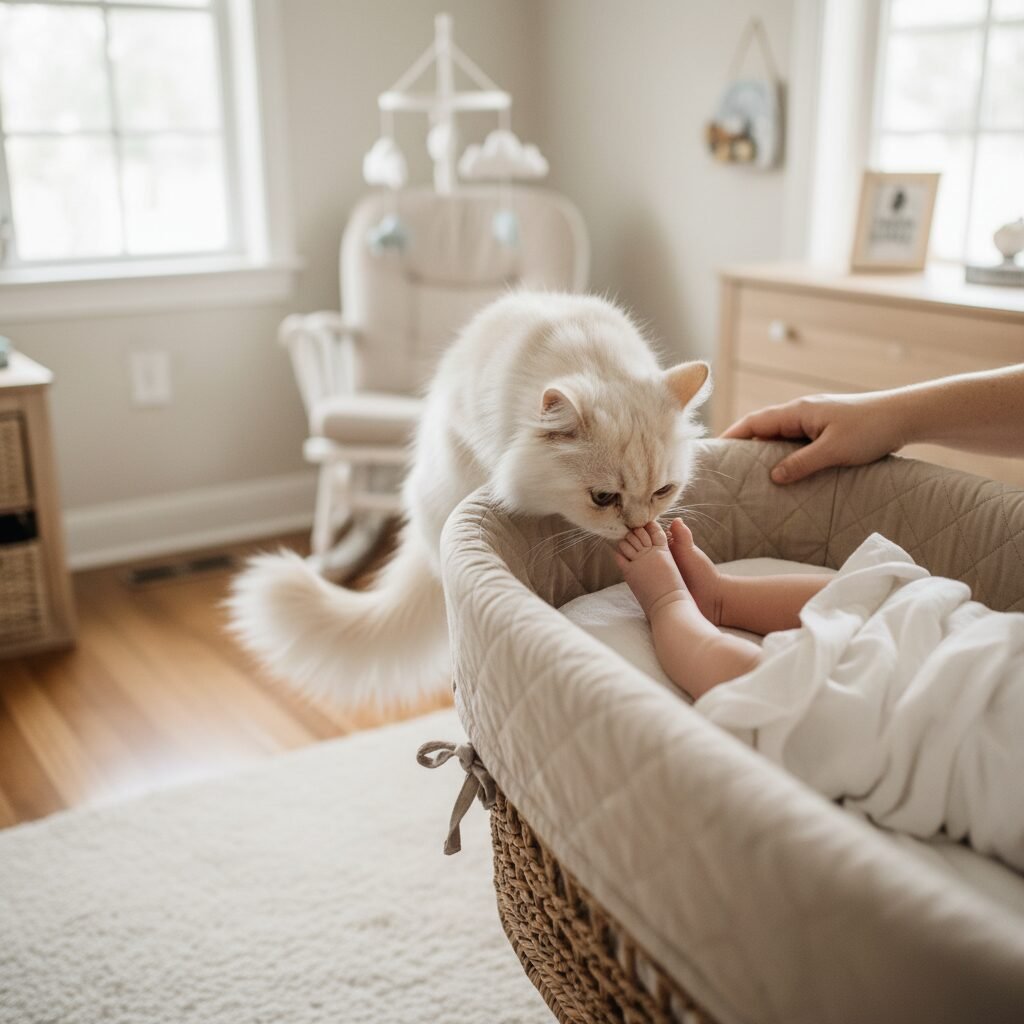
Don’t Forget Kitty: The Step-By-Step Guide To Introducing Your Cat To Baby
For many of us, our pets are our first babies. Your cat has been a constant source of comfort, a quiet companion, and an integral part of your home’s rhythm. As you prepare to welcome a new, human baby, it’s completely normal to feel a mix of excitement and anxiety about how your feline family member will adapt to this monumental change. You may worry about safety, jealousy, or disrupting the peaceful bond you share with your pet. Rest assured, these concerns are valid and shared by countless pet-loving parents-to-be.
As a maternal health educator, I’ve guided many families through this exact transition. The key to success isn’t luck; it’s a thoughtful, proactive approach grounded in understanding your cat’s perspective. This guide is designed to empower you with a clear, phased strategy. We will walk through preparing your cat during pregnancy, managing the crucial first introduction, and fostering a positive, long-term relationship. With patience and preparation, you can help create a home where your ‘first baby’ and your new baby can coexist peacefully and perhaps even become the best of friends.
Phase 1: Pre-Baby Preparations (The Second and Third Trimesters)
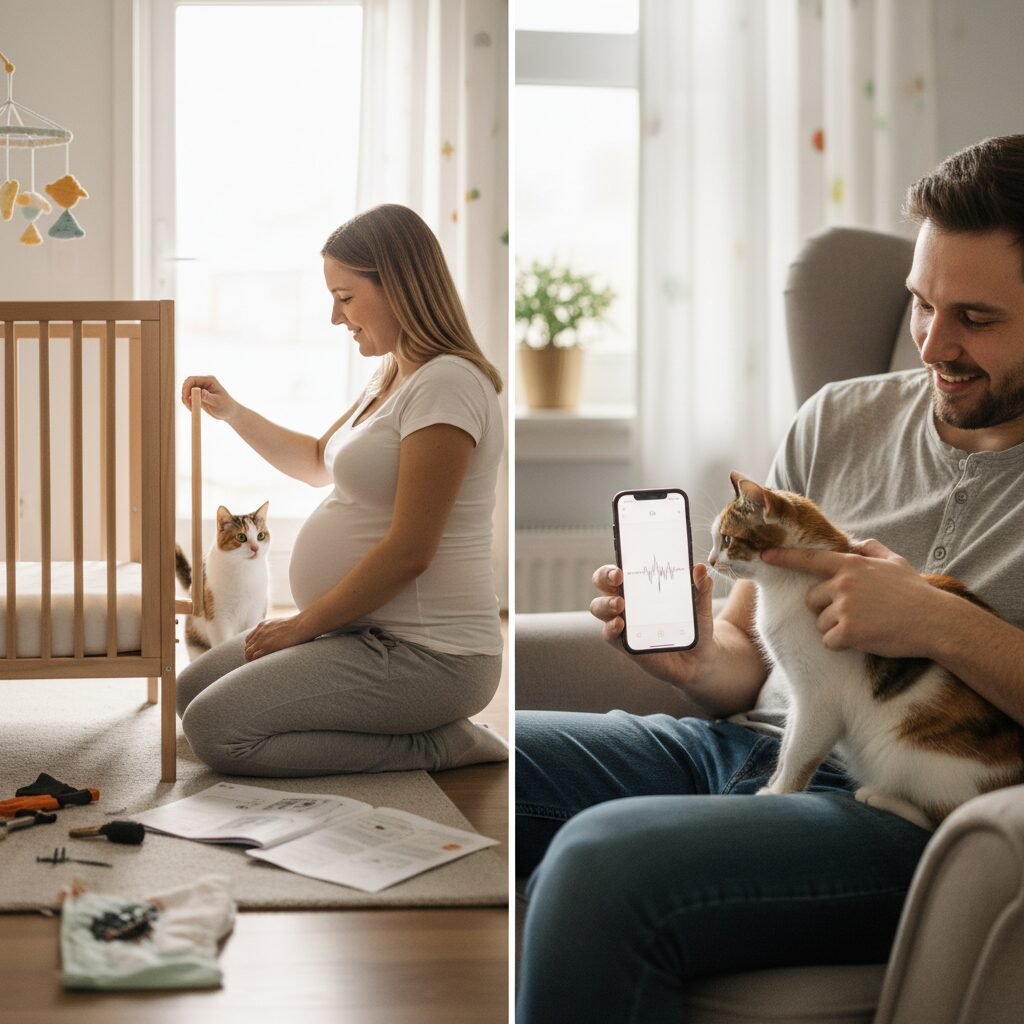
The nine months of pregnancy are a gift, not just for your own preparation, but for your cat’s as well. Cats are creatures of habit and territory; sudden changes can be a major source of stress. Using the months before your baby’s arrival to gradually introduce new sights, sounds, and smells will make the final homecoming far less jarring for them. Think of this phase as setting the stage for a successful premiere.
- Gradual Nursery & Gear Introduction: Long before the baby occupies it, allow your cat to explore the nursery. Let them sniff the crib, changing table, and rocker. This demystifies the new furniture. However, it’s crucial to establish boundaries from day one. If you don’t want the cat sleeping in the crib or bassinet—and for safety reasons, you shouldn’t—make these areas uninviting. You can place a layer of aluminum foil or a plastic carpet runner (spiky side up) inside temporarily. Consistently and gently remove the cat if they jump in, offering a treat when they place their paws back on the floor. The goal is for the cat to understand the room is part of their territory, but certain items are off-limits.
- Acclimatize to New Sounds and Smells: A baby’s world is a sensory explosion. To a cat with sensitive hearing, sudden, high-pitched crying can be alarming. Start playing recordings of baby sounds (cooing, gurgling, crying) for short periods each day. Begin at a very low volume and gradually increase it over weeks, always associating the sounds with something positive, like a treat or a favorite meal. Similarly, start using baby-scented products, like lotion or powder, on your own skin. This helps your cat build a positive association between these new smells and you, their trusted human.
- Adjust Routines in Advance: Your life is about to become gloriously unpredictable. If you know your cat’s feeding times or dedicated daily playtime will need to shift, don’t wait until the baby arrives. Start making small, incremental changes to their schedule months in advance. If you are the cat’s primary caregiver, encourage your partner or another family member to take on more feeding and playing duties. This prevents the cat from associating the sudden loss of your attention directly with the baby’s arrival.
- Establish ‘Baby-Free’ Sanctuaries: Every creature needs a safe space to retreat. Designate one or more areas in your home as strictly ‘cat-only’ zones. This could be a spare room, a high-up cat tree, or a cozy perch where they know they will never be disturbed by the baby. Ensure their food, water, and litter box are in a secure, low-traffic area where they can feel safe. This gives your cat autonomy and a place to decompress when they feel overwhelmed.
- A Proactive Veterinary Visit: Schedule a check-up for your cat during your second or third trimester. Ensure they are in good health and up-to-date on all vaccinations and parasite prevention. This is also the perfect time for a nail trim. Keeping your cat’s claws short is a simple but critical step to prevent accidental scratches. While at the vet, you can also discuss any behavioral concerns and get professional advice tailored to your cat’s specific personality.
Phase 2: The Homecoming — Managing the First Introduction

The day you bring your baby home is filled with emotion. For your cat, it’s the day their world officially changes. Managing this period with calm, deliberate steps can set the tone for your family’s future dynamic. The goal is a controlled, positive, and low-stress introduction for everyone.
- Lead with Scent (The Advance Team): Before you even walk through the door with your newborn, send an emissary. Have your partner or a friend bring home an item with the baby’s scent on it—a receiving blanket, a hat, or a burp cloth. Place this item in a quiet area where the cat can investigate it on their own terms. This allows the cat to process the new, important smell in a non-threatening way before meeting its source.
- Greet Your Cat First: When you arrive home, try to greet your cat first, without the baby. If possible, have your partner hold the baby in another room or wait outside for a moment. Walk in, speak to your cat in a calm and loving voice, and give them some gentle pets. This brief moment of normalcy reaffirms your bond and reassures them that they are still an important part of your life.
- The Supervised, Neutral-Ground Meeting: The first face-to-face meeting should be short, sweet, and heavily supervised. Sit down on a sofa with the baby held securely in your arms. Let your partner allow the cat to enter the room. Do not force the interaction. Let the cat approach at its own pace. It might sniff from a distance, or it might just watch from the doorway. Both are perfectly acceptable reactions. Speak in a soft, encouraging tone to both your baby and your cat. The entire interaction might only last a minute or two.
- Master the Art of Positive Reinforcement: This is the most powerful tool in your arsenal. During and after the introduction, reward your cat for any calm or curious behavior. Offer high-value treats, verbal praise, or a gentle chin scratch whenever the cat is relaxed in the baby’s presence. You are actively building a new neural pathway for your cat: Baby’s presence = good things happen to me.
Patience is not just a virtue; it’s a strategy. Your cat and baby are not on a deadline to become best friends. Let their relationship unfold naturally, guided by safety and positive experiences.
Common Concerns and Troubleshooting

Even with the best preparation, you may encounter bumps in the road. Understanding common feline reactions and knowing how to respond can prevent small issues from becoming major problems. Here’s how to troubleshoot some frequent challenges.
My Cat is Hissing or Hiding
This is a completely normal fear response. Hissing is a defensive warning that says, ‘I am scared, please give me space.’ The worst thing you can do is punish the cat. Instead, respect their communication. Ensure their ‘baby-free’ sanctuaries are accessible and don’t force any interactions. Continue with positive reinforcement, offering treats and praise when they do venture out. Their confidence will grow over time.
My Cat Keeps Trying to Jump in the Crib
This is a critical safety issue that must be addressed immediately and consistently. A cat may be drawn to the warmth and comfort of a crib. Never, ever allow a cat to sleep with an infant. Use a firm, loud ‘No!’ and immediately remove the cat. You can also use deterrents like a commercially available crib tent or net. Reinforce positive behavior by rewarding the cat when it chooses to nap in an appropriate spot nearby.
Toxoplasmosis: Separating Fact from Fiction
This is a significant concern for many expecting parents. Toxoplasmosis is a parasitic infection that can be harmful to a developing fetus. However, the fear surrounding cats is often based on misinformation. It’s important to understand the actual risks and how to mitigate them effectively.
| Common Myth | Factual Reality & Actionable Advice |
|---|---|
| Myth: I can get toxoplasmosis just by petting my cat. | Fact: The parasite (Toxoplasma gondii) is passed through an infected cat’s feces, not its fur or saliva. The primary risk of transmission comes from direct contact with the litter box. |
| Myth: I must get rid of my cat now that I’m pregnant. | Fact: This is absolutely unnecessary. The CDC recommends pregnant individuals avoid changing the cat’s litter box. If you must do it, wear disposable gloves and wash your hands thoroughly afterward. The best solution is to delegate this chore to your partner or another family member for the duration of the pregnancy. |
| Myth: All cats carry toxoplasmosis. | Fact: Only cats that hunt and eat infected rodents or raw meat are likely to contract the parasite. Indoor-only cats that eat commercial cat food have an extremely low risk of being carriers. You are statistically more likely to contract toxoplasmosis from undercooked meat or unwashed garden vegetables. |
Phase 3: Fostering a Lifelong Friendship
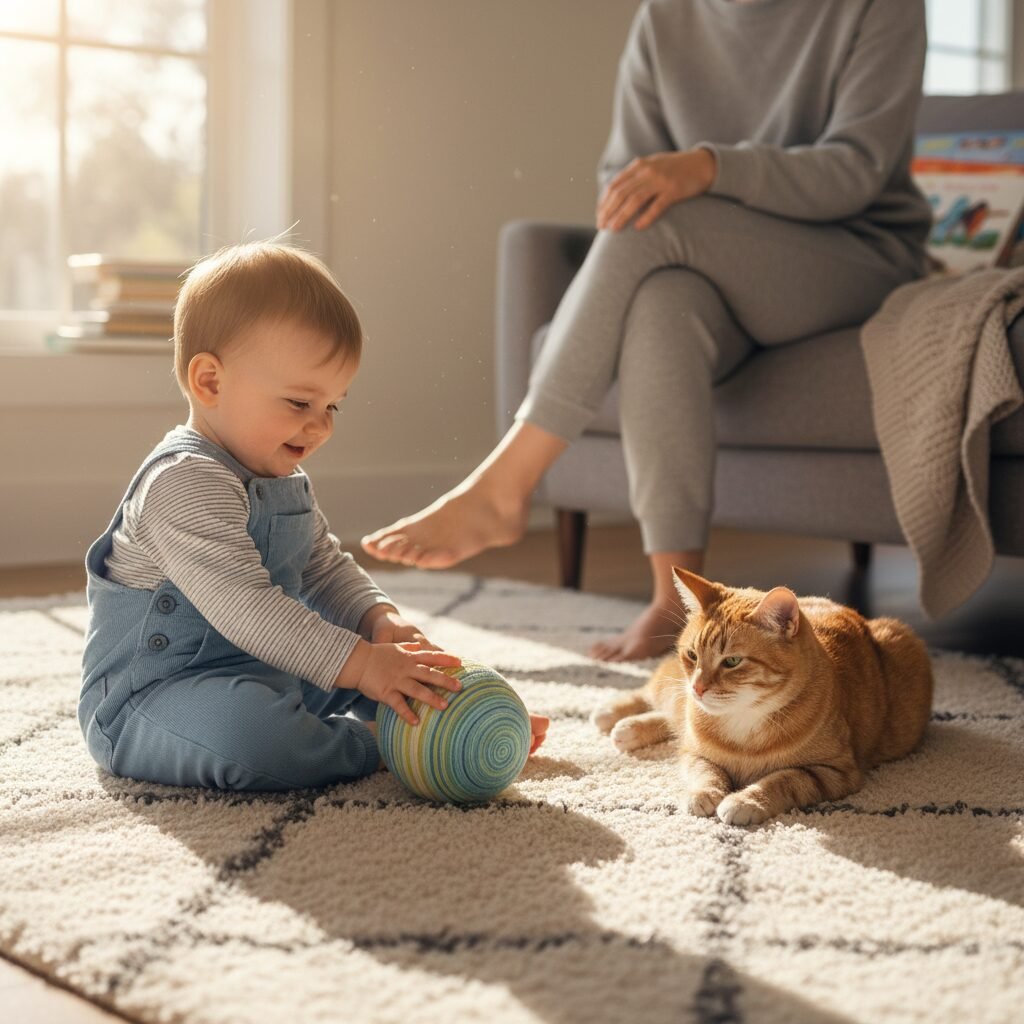
Once the initial introduction period is over, your focus shifts to long-term harmony. This phase is about nurturing a safe and respectful environment as your baby grows into a curious toddler and beyond. Your role as the supervisor and gentle teacher is paramount.
Safety First, Always: Never Leave Them Unsupervised
This is the golden rule. No matter how gentle your cat is or how well they seem to get along, never leave a baby or small child unsupervised with any pet. A baby’s unpredictable movements or a toddler’s clumsy grab can startle even the most placid animal, leading to an accidental scratch or bite. Use baby gates to create separate spaces when you can’t be in the room to actively supervise.
Integrate Supervised Playtime
Create positive associations through shared activities. When you’re on the floor with your baby for tummy time, engage your cat in play nearby with a wand toy. This teaches the cat that fun things happen when the baby is around. As your child grows, you can facilitate gentle, shared play, like rolling a soft ball for the cat to chase.
Teach Your Child Gentle Interaction
As your baby develops motor skills, you will need to become their guide to gentle petting. Show them how to stroke the cat’s back softly using an open palm, saying ‘gentle, gentle.’ Intervene immediately if they grab fur, ears, or the tail, and redirect their hand. It’s equally important to teach them to recognize when the cat wants to be left alone, such as when its tail is twitching or its ears are flat.
Maintain Your One-on-One Bond with Your Cat
In the whirlwind of new parenthood, it can be easy to let your relationship with your pet fall by the wayside. Make a conscious effort to carve out a few minutes of dedicated one-on-one time with your cat each day. This could be a morning cuddle, a quick play session during nap time, or a grooming session in the evening. This special attention reinforces their secure place in the family and helps prevent feelings of jealousy or neglect.
Conclusion
Introducing your cat to your new baby is a journey of patience, preparation, and persistent positive reinforcement. By taking the time to see the world from your cat’s perspective and managing each stage of the process with care, you are laying the foundation for a peaceful and loving multi-species family. There will be moments of uncertainty, but by remaining a calm and consistent leader, you can guide both your child and your pet toward a relationship built on gentle respect.
Remember the deep bond you already share with your feline companion. They are a cherished member of your family, and with these thoughtful steps, you are honoring that role while you expand your heart and home to welcome its newest member. Your efforts today will pave the way for countless beautiful moments tomorrow—the quiet purr next to the rocking chair, the gentle head boop against a tiny foot, and the comforting presence of a furry guardian watching over your growing family.