
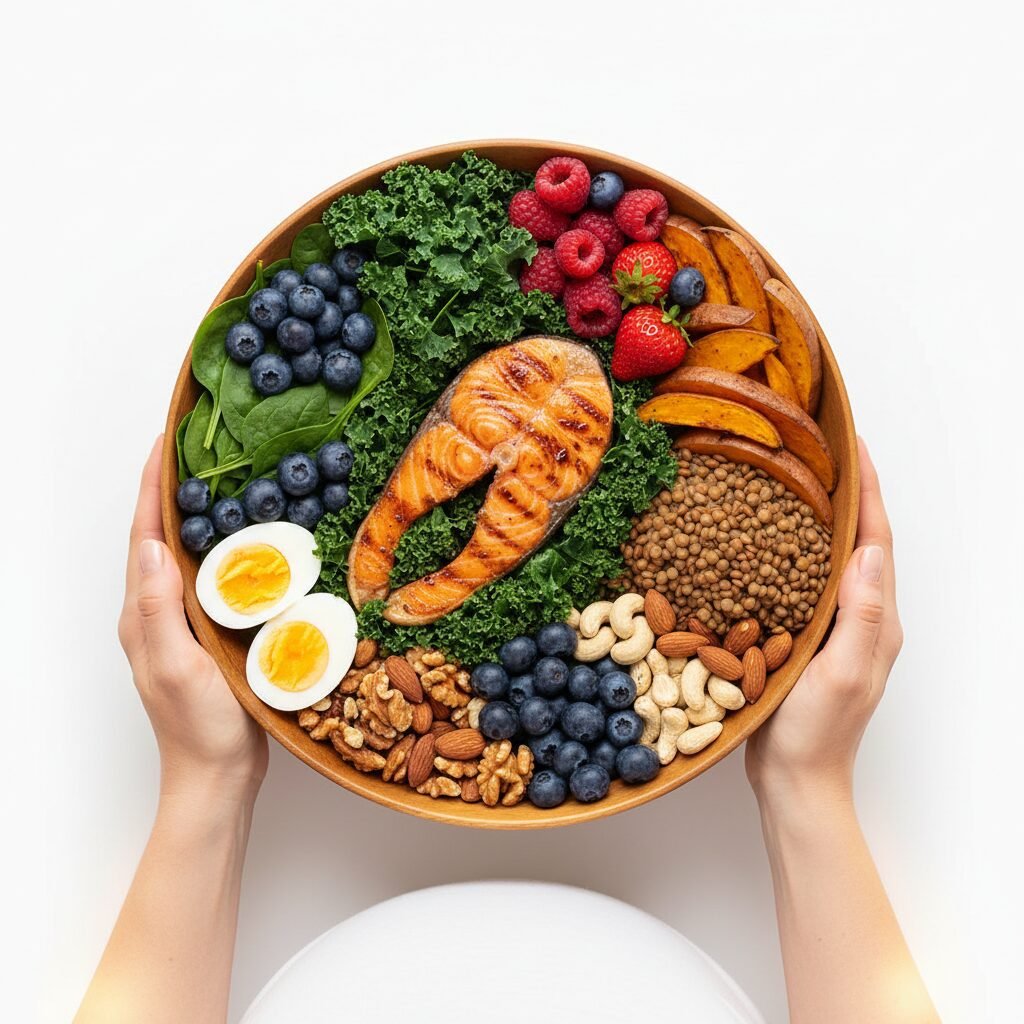
7 Superfoods That Strengthen Your Placenta For A Healthier Birth
Dear expecting parent, you are on one of life’s most profound journeys. From the moment you saw that positive test, you’ve likely been thinking about how to give your baby the very best start. You research, you plan, and you pour so much love into every choice. Amidst all the focus on the growing baby bump and tiny kicks, there’s an unsung hero working tirelessly behind the scenes: the placenta.
This incredible, temporary organ is your baby’s lifeline, their first home, and their sole source of nourishment. A healthy, robust placenta is a cornerstone of a healthy pregnancy, influencing everything from your baby’s growth to the timing and ease of their birth. But how can you support this vital organ? The answer, beautifully and simply, lies in nutrition.
In this guide, we’ll explore the miraculous role of your placenta and uncover seven powerful superfoods that can help strengthen and support its function. Think of this not as another rule to follow, but as a loving way to nourish the connection between you and your baby, building a strong foundation for a healthier birth and beyond.
Understanding the Placenta: Your Baby’s First Home and Lifeline

Before we dive into the delicious foods, let’s take a moment to appreciate the placenta. Often referred to as the ‘tree of life,’ it’s a complex and brilliant organ that your body grows from scratch. It attaches to the uterine wall and connects to your baby via the umbilical cord. For approximately 40 weeks, it performs the jobs of multiple organs at once.
- Nutrition Delivery: The placenta acts as a super-efficient filter, drawing oxygen, glucose, vitamins, and minerals from your bloodstream and delivering them directly to your baby.
- Waste Removal: It also works in reverse, taking carbon dioxide and other waste products from your baby’s blood and transferring them to yours for disposal.
- Hormone Factory: It produces essential pregnancy hormones like hCG, progesterone, and estrogen, which are critical for maintaining the pregnancy and preparing your body for birth and breastfeeding.
- Protective Barrier: The placenta helps to protect your baby from certain infections and bacteria, acting as a vigilant gatekeeper.
When the placenta is functioning optimally, it’s called ‘placental sufficiency.’ This means it’s effectively delivering everything your baby needs to thrive, which is linked to healthy birth weights and a reduced risk of complications. Nurturing your placenta through diet is a direct way to support this incredible, life-sustaining process.
The Building Blocks of a Strong Placenta: Essential Nutrients
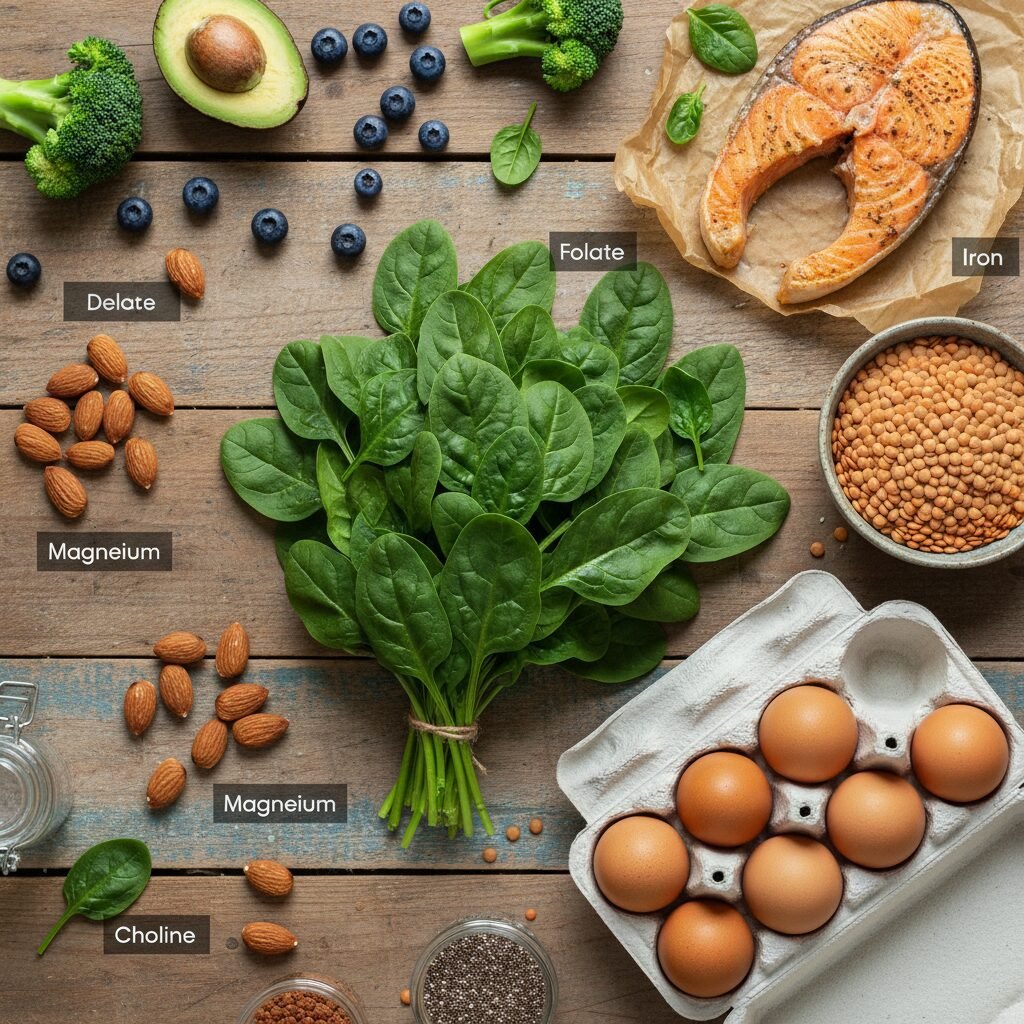
To build a strong placenta, your body needs specific nutritional tools. Focusing on these key nutrients will provide the foundation for placental health and, in turn, support your baby’s development. While a balanced diet is paramount, certain vitamins and minerals play a starring role.
| Nutrient | Role in Placental Health |
|---|---|
| Folate (Vitamin B9) | Crucial for cell growth and division, helping to form the placenta and prevent neural tube defects. It supports the development of a healthy vascular system within the placenta. |
| Iron | Essential for producing hemoglobin, the protein in red blood cells that carries oxygen. A healthy placenta requires immense oxygen flow to support a growing baby. |
| Omega-3 Fatty Acids (DHA/EPA) | These healthy fats are vital for placental blood flow and may help reduce the risk of preeclampsia. They are also critical for your baby’s brain and eye development. |
| Choline | A lesser-known but powerful nutrient that supports placental membrane structure and function. It also plays a key role in your baby’s cognitive development. |
| Magnesium | Helps in the formation of new tissue and relaxes blood vessels, which can improve blood flow to the uterus and placenta, potentially lowering blood pressure. |
| Antioxidants (Vitamins C & E) | Protect placental cells from damage caused by oxidative stress, helping to maintain the integrity and function of the organ throughout pregnancy. |
Understanding these building blocks helps us see why certain foods are so beneficial. Now, let’s connect these nutrients to real, delicious foods you can add to your plate.
7 Power-Packed Superfoods to Fortify Your Placenta
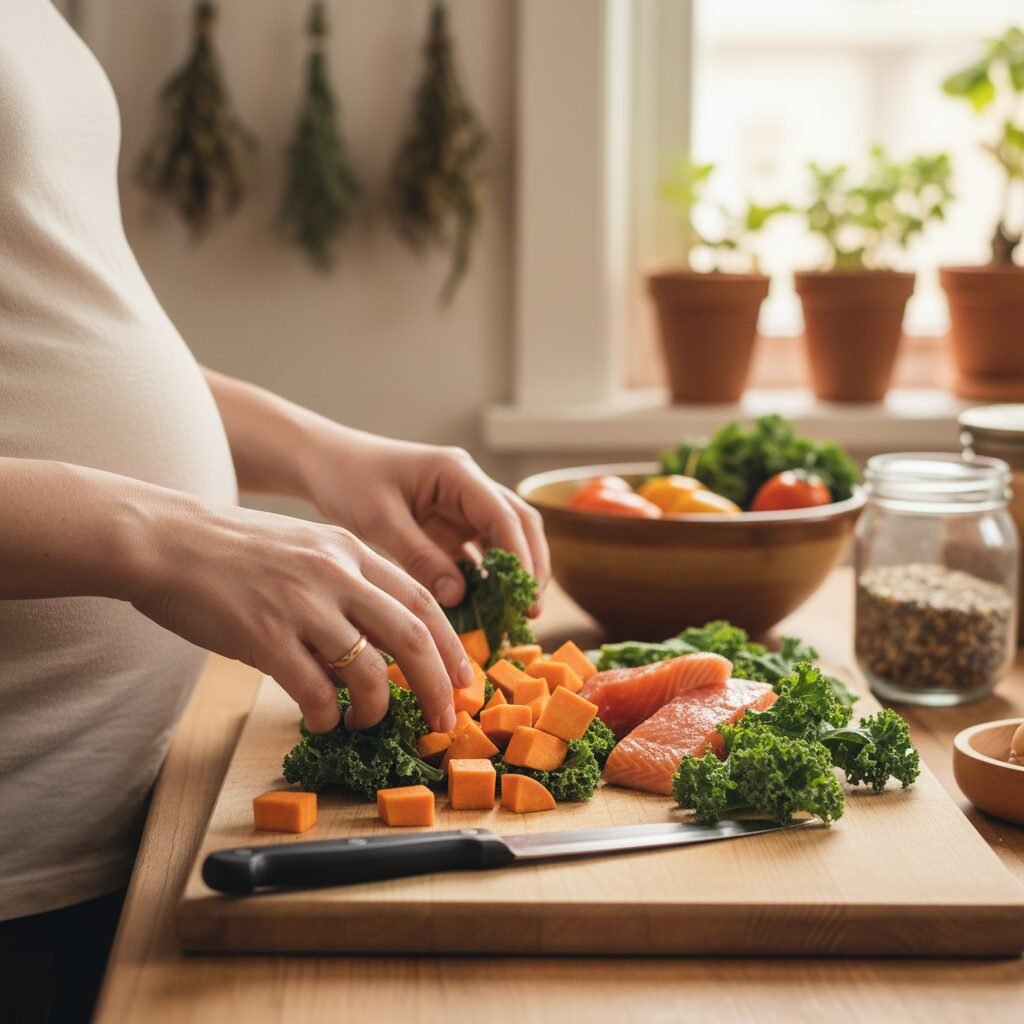
Incorporating these foods into your weekly meals is a simple and effective way to nourish your body and your baby’s vital support system. Remember, every healthy bite is an act of love.
1. Lentils & Legumes
These humble pantry staples are nutritional giants. Lentils, chickpeas, and black beans are brimming with folate, which is non-negotiable for healthy placental development, especially in the early stages. They are also a fantastic plant-based source of iron, helping to boost your red blood cell count to meet the increased oxygen demands of pregnancy. The high fiber content also aids digestion and helps stabilize blood sugar levels, which is beneficial for overall pregnancy health.
Try a hearty lentil soup, add chickpeas to your salads, or enjoy black bean burgers for a nutrient-packed meal.
2. Salmon & Fatty Fish
Wild-caught salmon is arguably the king of pregnancy superfoods. It is one of the best sources of Omega-3 fatty acids, specifically DHA, which is essential for building your baby’s brain and nervous system. For the placenta, these healthy fats help improve blood flow and can reduce inflammation, contributing to a more efficient and resilient organ. Aim for two servings of low-mercury fish like salmon, sardines, or herring per week.
A simple baked salmon with lemon and herbs, salmon cakes, or adding canned sardines to toast are all excellent options.
3. Dark Leafy Greens
Spinach, kale, Swiss chard, and other dark leafy greens are a powerhouse of nutrients. They are loaded with folate, iron, magnesium, and Vitamin A. Magnesium, in particular, helps regulate blood pressure and can improve blood flow to the placenta. The iron in greens, while plant-based, is best absorbed when paired with a source of Vitamin C.
Toss a large handful of spinach into your morning smoothie, create a kale salad with berries and nuts, or sauté Swiss chard with garlic as a simple side dish.
4. Eggs
Don’t skip the yolk! Eggs are a perfect package of nutrition, but the yolk is where you’ll find a high concentration of choline. As we learned, choline is vital for the structural integrity of the placenta and plays a massive role in your baby’s brain development, potentially boosting memory and cognitive function later in life. Eggs also provide high-quality protein, which is essential for building every single cell of your baby and the placenta.
Start your day with scrambled eggs, pack hard-boiled eggs for a quick snack, or make a vegetable-filled frittata for an easy lunch or dinner.
5. Berries
Blueberries, strawberries, raspberries, and blackberries are nature’s candy, and they are packed with powerful antioxidants like Vitamin C and flavonoids. These compounds help protect your body’s cells—including the cells of the placenta—from damage and stress. A strong, protected placenta is better able to do its job for the full duration of your pregnancy. The Vitamin C in berries also helps your body absorb iron from plant-based sources.
Enjoy a bowl of mixed berries with yogurt, blend them into a smoothie, or simply eat them by the handful for a refreshing and protective snack.
6. Nuts & Seeds
Almonds, walnuts, chia seeds, and flaxseeds are small but mighty. They are a great source of healthy fats, magnesium, and protein. Walnuts and flaxseeds are particularly rich in a plant-based form of Omega-3s (ALA). Magnesium is a key player in over 300 enzymatic processes in the body and is crucial for maintaining healthy blood flow to the uterus. A small handful of nuts or a sprinkle of seeds can provide a significant nutrient boost.
Snack on a trail mix of almonds and walnuts, sprinkle chia seeds over your oatmeal, or add ground flaxseed to your smoothies or baked goods.
7. Sweet Potatoes
These vibrant root vegetables are an excellent source of beta-carotene, which your body converts into Vitamin A. Vitamin A is essential for cellular differentiation—the process by which cells become specialized, which is happening at a rapid pace in your growing baby and the developing placenta. Sweet potatoes also provide fiber for digestive health and complex carbohydrates for sustained energy, helping you avoid the energy slumps common in pregnancy.
Enjoy them baked and topped with a dollop of Greek yogurt, mashed as a side dish, or cut into wedges and roasted as a healthy alternative to fries.
More Than Just Food: Holistic Support for Your Placenta

While nutrition is a powerful tool, a holistic approach can provide even greater support for a healthy pregnancy and placenta. Remember to weave these habits into your daily routine alongside your nutrient-dense diet.
- Stay Hydrated: Water is essential for maintaining healthy amniotic fluid levels and supporting the increased blood volume of pregnancy. Proper hydration ensures that nutrients are efficiently transported to the placenta. Aim for 8-12 glasses of water a day.
- Engage in Gentle Movement: Activities like walking, swimming, and prenatal yoga can improve circulation throughout your body, including blood flow to the uterus and placenta. This enhanced circulation ensures a steady supply of oxygen and nutrients.
- Manage Stress: Chronic stress can lead to high levels of cortisol, which may impact placental function. Incorporate stress-reducing practices into your day, such as deep breathing, meditation, journaling, or spending time in nature.
- Get Adequate Rest: Your body is doing the incredible work of growing a human being and a whole new organ. Prioritize sleep and rest when you feel tired. This is when your body repairs and rebuilds, which is vital for both you and your baby.
Conclusion
Nourishing your body during pregnancy is one of the most powerful acts of love you can offer your growing baby. By focusing on these seven superfoods, you are not just eating for two; you are intentionally building and strengthening the very organ that sustains your baby’s life. Each meal rich in folate, iron, omega-3s, and antioxidants is a direct investment in a healthier placenta and, in turn, a healthier birth experience.
Be gentle with yourself on this journey. It’s not about perfection, but about making small, consistent choices that feel good and support your well-being. Listen to your body, celebrate the amazing work it is doing, and have open conversations with your healthcare provider about your nutritional needs.
You are building a miracle, one loving bite at a time.
Disclaimer: The information provided in this article is for educational purposes only and is not intended as a substitute for professional medical advice, diagnosis, or treatment. Always seek the advice of your physician, midwife, or other qualified health provider with any questions you may have regarding a medical condition or your pregnancy. Never disregard professional medical advice or delay in seeking it because of something you have read here.