

Is He Sympathy Pregnant? Signs Your Man Has Couvade Syndrome
You’re the one who’s pregnant. You have the positive test, the growing belly, and the official medical confirmation. So why is your partner suddenly complaining of morning sickness, craving pickles and ice cream at midnight, and experiencing mysterious backaches? Before you dismiss it as a bid for attention, it’s important to understand a fascinating and surprisingly common phenomenon: Couvade Syndrome, often called ‘sympathy pregnancy.’
While it might sound strange, this is a real experience where a non-pregnant partner—most often a man—experiences pregnancy-related symptoms. It’s not a recognized medical or psychiatric illness, but it is a documented condition that reflects the profound psychological, emotional, and even physical transition into fatherhood. This article will serve as your comprehensive guide to understanding Couvade Syndrome. We’ll delve into the common signs and symptoms, explore the scientific and psychological theories behind it, and offer practical, supportive strategies for navigating this unique experience as a united team on your journey to parenthood.
Understanding Couvade Syndrome: More Than Just Sympathy Pains
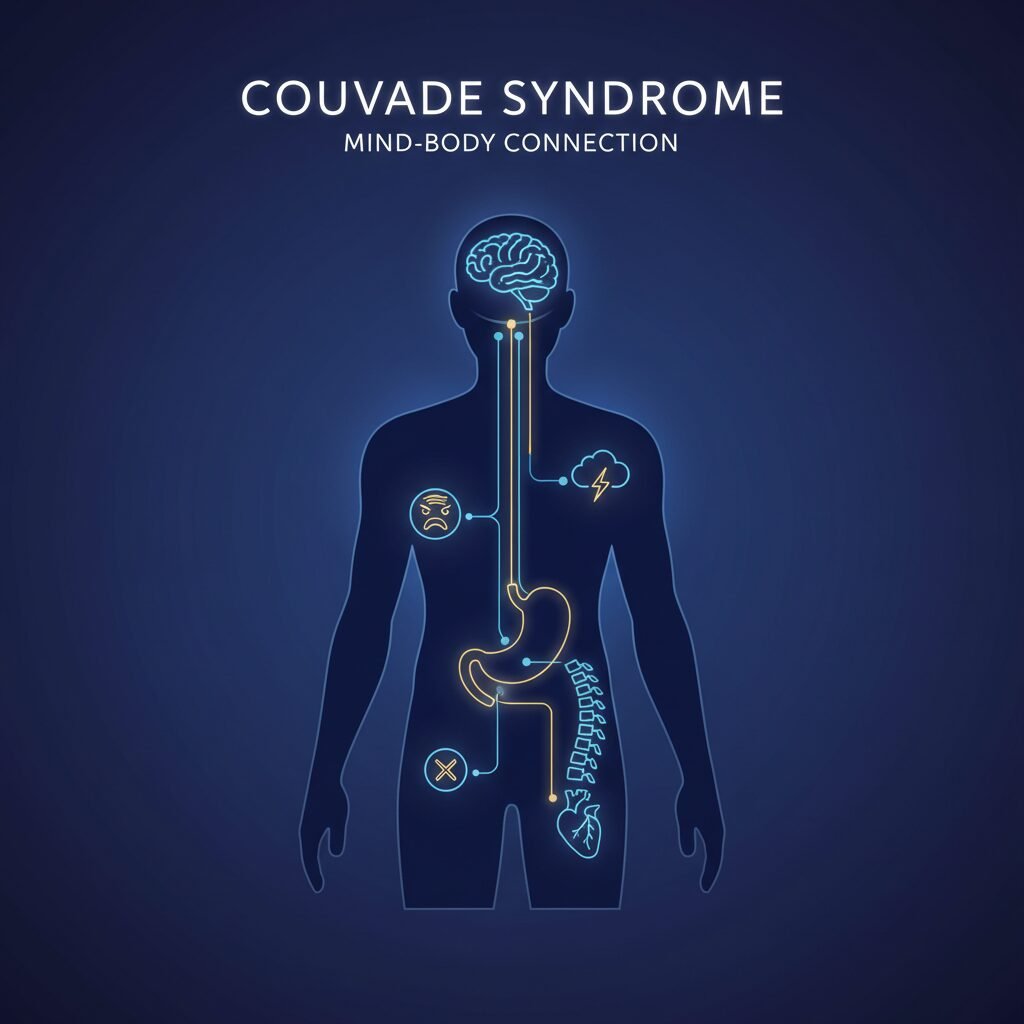
At its core, Couvade Syndrome is the unintentional manifestation of pregnancy symptoms in an expectant partner. The term ‘Couvade’ originates from the French word couver, which means ‘to brood’ or ‘to hatch,’ historically referring to rituals in some cultures where the father would mimic the process of childbirth. Today, it describes a modern psychosomatic experience where a partner’s deep empathy and connection to the pregnancy translate into tangible physical and psychological symptoms.
It’s crucial to understand that these symptoms are not imagined or fabricated for attention. For the men who experience it, the nausea, fatigue, and anxiety are very real. Researchers believe it’s a powerful expression of their involvement and a way their bodies and minds process the life-altering event of becoming a parent. It often emerges during the first trimester, may subside during the second, and can reappear in the third trimester as the due date approaches. While it can be confusing, viewing Couvade Syndrome as a sign of a partner’s deep emotional investment and attachment can transform the experience from a strange anomaly into a point of connection.
The Telltale Signs: Common Physical and Psychological Symptoms

The symptoms of Couvade Syndrome can be remarkably similar to those of an actual pregnancy, ranging from mild and fleeting to surprisingly intense. They typically fall into two categories: physical and psychological.
Physical Symptoms
The physical manifestations can be startling in their accuracy. Many partners report experiencing:
- Nausea and Vomiting: Often mirroring the pregnant partner’s morning sickness.
- Gastrointestinal Issues: This can include heartburn, indigestion, bloating, and gas.
- Changes in Appetite: Sudden cravings for specific foods or aversions to others are common.
- Weight Gain: Some men gain a noticeable amount of weight, sometimes concentrated around the abdomen, creating a small ‘belly.’
- Aches and Pains: Backaches, leg cramps, headaches, and even toothaches can occur.
- Fatigue: A profound sense of exhaustion that isn’t explained by other factors.
Psychological and Emotional Symptoms
The emotional journey of an expectant father is complex, and Couvade can amplify these feelings:
- Anxiety: Worrying about the health of the baby and partner, financial stability, and the ability to be a good father.
- Mood Swings: Increased irritability, sadness, or emotional sensitivity.
- Changes in Sleep Patterns: Insomnia, restlessness, or vivid, unusual dreams.
- Reduced Libido: A shift in sexual desire, which can be influenced by hormonal changes and anxiety.
- Feeling of Connection: A strong sense of empathy and a feeling of being ‘in it together’ with their pregnant partner.
To better visualize the parallels, consider this comparison:
| Common Pregnancy Symptom | Common Couvade Syndrome Symptom |
|---|---|
| Morning Sickness (Nausea/Vomiting) | Sympathetic Nausea |
| Food Cravings and Aversions | Similar Changes in Appetite |
| Weight Gain and Bloating | Abdominal Weight Gain and Bloating |
| Backaches and Leg Cramps | Unexplained Back and Leg Pains |
| Fatigue and Sleep Disturbances | Increased Fatigue and Insomnia |
| Mood Swings and Anxiety | Heightened Anxiety and Irritability |
Why Is This Happening? Exploring the Theories Behind Couvade Syndrome

While there’s no single definitive cause for Couvade Syndrome, researchers and psychologists point to a combination of interconnected factors. Understanding these theories can help demystify the experience and foster greater empathy.
The Psychosocial Theory: Empathy and Anxiety
This is the most widely accepted theory. It suggests that Couvade Syndrome is a physical manifestation of a man’s psychological transition to fatherhood. Key elements include:
- Strong Empathy and Identification: The partner may have such a strong bond with the pregnant woman that he subconsciously begins to mirror her experience.
- Anxiety About Fatherhood: The immense responsibility of becoming a parent can trigger significant stress. This anxiety can manifest physically as nausea, pain, or insomnia.
- Feelings of Marginalization: In a culture that heavily focuses on the mother, some partners may feel left out or unimportant. The symptoms can be a subconscious way to feel more involved and central to the pregnancy experience.
The Neurobiological Theory: Hormonal Shifts
Emerging research suggests that biology plays a role, too. Studies have found that some expectant fathers undergo measurable hormonal changes throughout their partner’s pregnancy. These can include:
- Decreased Testosterone: Lower levels of testosterone are associated with reduced aggression and increased nurturing behaviors.
- Increased Prolactin: This hormone is primarily associated with lactation in mothers, but in fathers, higher levels are linked to paternal behaviors like responding to a baby’s cries.
- Increased Cortisol: While often known as the ‘stress hormone,’ cortisol levels naturally rise during pregnancy for both partners, potentially contributing to anxiety and sleep changes.
“Couvade Syndrome can be seen as the ultimate embodiment of a partner’s empathy. It’s the body’s way of saying, ‘I am with you on this journey, every step of the way.’ Rather than viewing it as a problem, we can see it as a profound signal of attachment and preparation for the paternal role.” – Dr. Alistair Finch, Family Psychologist
Stronger Together: How to Navigate Couvade Syndrome as a Couple

Discovering your partner has Couvade Syndrome can be a bonding experience rather than a source of stress. The key is to approach it with open communication, humor, and mutual support. Here are some strategies to help you navigate it as a team.
1. Acknowledge and Validate His Experience
The single most important thing you can do is validate his feelings. Avoid dismissing his symptoms as fake or silly. Saying things like, “It sounds like you’re really feeling the pregnancy, too. Let’s figure this out together,” can make him feel seen and understood. Acknowledge that his experience is a sign of his deep connection to you and the baby.
2. Foster Open Communication
Use this as an opportunity to talk about the deeper anxieties and excitements you both have. Are you both worried about labor and delivery? Finances? The sleepless nights ahead? Sharing these fears can alleviate the stress that might be contributing to the physical symptoms.
3. Get Actively Involved as a Team
Channel the energy of Couvade into productive, shared activities. If he’s feeling left out, this is the perfect remedy. Attend prenatal appointments together, take childbirth classes, assemble nursery furniture, and read parenting books aloud to each other. When he feels like an active, essential participant, some of the subconscious anxieties may lessen.
4. Adopt Healthy Coping Mechanisms Together
Treat the symptoms as real, because they are. If you’re both nauseous, stock up on ginger ale and crackers. If you’re both having backaches, look into prenatal yoga or couples’ massages. Commit to gentle exercise like walking together and focus on a balanced, nutritious diet. This not only addresses the symptoms but also establishes healthy habits for your growing family.
5. Build a Paternal Support System
Encourage him to connect with other expectant dads. Hearing that other men are nervous, excited, or even experiencing strange symptoms can be incredibly normalizing. Many communities have ‘new dad bootcamps’ or online forums where he can find solidarity and support.
Conclusion
Couvade Syndrome, or sympathy pregnancy, may be one of the more unusual aspects of the journey to parenthood, but it is far from a negative sign. In fact, it can be reframed as a powerful testament to a partner’s empathy, emotional investment, and the profound biological and psychological shifts that occur when preparing for fatherhood. By approaching these symptoms with curiosity, compassion, and open communication, you can transform a confusing experience into an opportunity for deeper connection.
Remember, you are a team. Navigating both of your symptoms—whether officially medical or sympathetic—is part of the shared story of your growing family. Embrace the quirks of this journey, support each other through the aches and cravings, and know that you are stepping into parenthood together, united in every sense of the word.
Disclaimer: This article is for informational purposes only and does not constitute medical advice. While Couvade Syndrome is a recognized phenomenon, it is essential to consult with a healthcare provider to rule out any underlying medical conditions for any persistent physical or psychological symptoms.