
The One Supplement Smarter Babies Need (It’s Not Folic Acid)
As an expecting or hopeful parent, you’re navigating a sea of information. You’re meticulously tracking your cycle, choosing organic produce, and, of course, you’ve been diligently taking your prenatal vitamin with folic acid. You’re doing everything right to give your baby the best possible start. But what if I told you there’s another powerhouse nutrient, one just as critical for your baby’s brain development, that is often overlooked in both our diets and our prenatal supplements?
For decades, folic acid has been the celebrated hero of prenatal health, and for good reason—it’s essential for preventing neural tube defects. But there’s an unsung hero waiting in the wings: Choline. This essential nutrient is a fundamental building block for your baby’s brain, influencing everything from memory to processing speed for the rest of their life. It’s the architectural blueprint for a healthy, resilient cognitive foundation.
We understand that adding one more thing to your list can feel overwhelming. That’s why this guide is designed with empathy and facts, to empower you, not to worry you. Together, we’ll explore what choline is, the incredible science behind its benefits, why you might not be getting enough, and simple, actionable ways to bridge the gap. Think of this as adding a master key to the beautiful home you’re already building for your baby.
Beyond Folic Acid: Why Choline is the Unsung Hero of Prenatal Nutrition

What Exactly is Choline?
Let’s start with the basics. Choline is an essential nutrient, which means our bodies cannot produce enough of it on their own, so we must obtain it through our diet. It’s similar to the B-vitamin family and plays a vital role in numerous bodily functions for people of all ages, but its job becomes supercharged during pregnancy. Think of it as a master construction worker for your baby’s developing body and brain.
Here are some of its primary roles:
- Cell Structure: Choline is a key component of phospholipids, which are the fats that make up the structure and integrity of all our cell membranes. During the rapid cell division of pregnancy, choline is in high demand to build a strong, healthy baby from the ground up.
- Neurotransmitter Synthesis: It is a precursor to acetylcholine, a critical neurotransmitter responsible for memory, mood, muscle control, and other brain and nervous system functions. Providing ample choline is like supplying the raw materials for your baby’s future learning and memory centers.
- Gene Expression: Choline influences epigenetics, which is how our bodies control which genes are turned on or off. During fetal development, choline can positively influence the expression of genes involved in brain development and function, setting up a foundation for lifelong health.
“Folic acid helps close the neural tube, which is like building the highway. Choline helps build the cities and towns that highway connects. Both are absolutely essential, but they have different, complementary jobs.”
While folic acid’s critical window is very early in pregnancy (often before a person even knows they’re pregnant), the demand for choline skyrockets during the second and third trimesters as your baby’s brain undergoes its most rapid period of growth. This makes it a nutrient that requires consistent attention throughout your entire pregnancy journey.
The Science of a Smarter Start: How Choline Fuels Fetal Brain Development

Building a Resilient Brain from the Inside Out
The term “smarter baby” can feel loaded, but what we’re really talking about is optimal cognitive development. It’s not about creating a genius; it’s about providing the essential nutrients for your child’s brain to reach its full, healthy potential. The scientific evidence supporting choline’s role in this process is compelling and growing.
A landmark study from Cornell University highlighted just how impactful choline is. In the study, pregnant women in their third trimester were given either 480 mg of choline per day or 930 mg per day. Researchers then tested their babies’ information processing speed and memory at several points in their first year. The infants whose mothers had taken the higher dose demonstrated significantly faster processing speeds. This suggests that higher choline intake during pregnancy can lead to cognitive benefits that last well after birth.
Key Areas of Brain Development Influenced by Choline:
- Hippocampus Development: This is the brain’s memory hub. Choline plays a direct role in the development of the hippocampus, which can lead to improved memory function throughout life.
- Stem Cell Proliferation: It aids in the creation of new brain cells, ensuring the brain has a rich supply of neurons to form complex connections.
- Stress Regulation: Studies suggest that adequate prenatal choline can lead to lower levels of the stress hormone cortisol in babies. This can result in a more resilient stress response system, potentially reducing the risk of anxiety and stress-related health issues later in life.
For dads and partners, understanding this science is empowering. When you’re blending a smoothie with eggs and spinach for your partner or grilling a piece of salmon for dinner, you’re not just making a meal—you are an active participant in building your child’s brain. It’s a tangible, powerful way to contribute to your baby’s future well-being.
The Choline Gap: Why Most Prenatal Vitamins (and Diets) Fall Short

Are You Getting Enough? The Surprising Answer
This is the crucial question. The American Medical Association (AMA) recommends that pregnant people consume 450 mg of choline per day, and that number increases to 550 mg per day during breastfeeding. Yet, research shows that as many as 90% of pregnant people in the U.S. are not meeting these recommendations.
So, where is the disconnect?
- It’s Not in Most Prenatal Vitamins: This is the biggest surprise for most parents. Go ahead, check the label on your prenatal vitamin. While it’s likely packed with folic acid, Vitamin D, and iron, you may find that choline is listed in a very small amount (e.g., 25-55 mg) or, most commonly, not at all. Historically, it wasn’t recognized as an essential nutrient until 1998, and the supplement industry has been slow to catch up.
- Dietary Challenges: The richest food sources of choline are animal products, particularly egg yolks and beef liver. For those who are vegetarian, vegan, or simply don’t eat those foods regularly, reaching the daily target can be a significant challenge.
- Morning Sickness and Food Aversions: The first trimester, a critical period for development, is often marked by nausea and aversions to the very foods that are rich in choline, like eggs and meat. This can inadvertently create a nutritional gap when the body needs it most.
Realizing you might have this gap isn’t a reason to feel guilty. It’s an opportunity. You are now equipped with knowledge that many people don’t have. This awareness allows you to make small, intentional changes that can have a massive impact on your baby’s health. It’s about moving forward with new information to do the best you can for your growing family.
Bridging the Gap: Delicious Food Sources and Smart Supplementation
A Practical Guide to Boosting Your Choline Intake
Okay, you’re convinced. Now for the practical part: how do you get more choline into your day? The best approach is always food-first, complemented by smart supplementation if needed. Here’s how to do it.
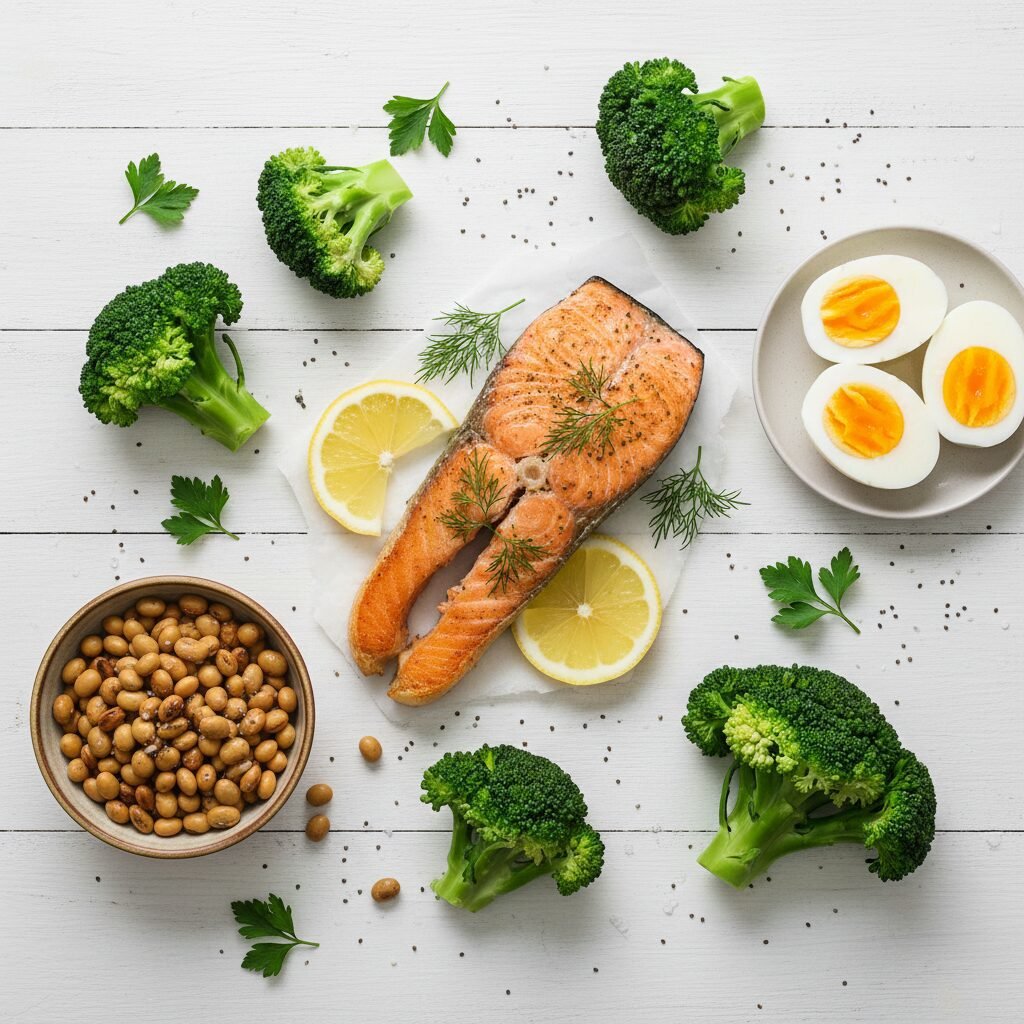
Fill Your Plate with Choline Powerhouses
Focus on incorporating a variety of these foods into your weekly meals. Remember, every little bit adds up!
| Food Source | Serving Size | Approximate Choline (mg) |
|---|---|---|
| Beef Liver, pan-fried | 3 ounces | 356 mg |
| Egg, large (with yolk) | 1 large egg | 147 mg |
| Soybeans, roasted | 1/2 cup | 107 mg |
| Chicken Breast, roasted | 3 ounces | 72 mg |
| Salmon, cooked | 3 ounces | 65 mg |
| Broccoli, chopped | 1 cup | 63 mg |
| Quinoa, cooked | 1 cup | 43 mg |
| Milk, 1% | 1 cup | 40 mg |
Choosing the Right Supplement
Given that it can be difficult to consistently hit 450-550 mg from diet alone, especially with food aversions, a supplement is a reliable way to ensure you’re bridging the gap. Here’s what to look for:
- Check Your Prenatal: First, see if your current prenatal has been updated to include a meaningful amount of choline. Some newer formulas now include it.
- Consider a Standalone Supplement: If your prenatal is lacking, a separate choline supplement is an excellent choice. Look for forms like Choline Bitartrate or Phosphatidylcholine.
- Consult Your Doctor: This is non-negotiable. Before adding any new supplement to your routine, have a conversation with your OB-GYN, midwife, or a registered dietitian. They can give you personalized advice based on your diet and health history. Show them this article—start the conversation!
The Fourth Trimester and Beyond: Choline’s Lasting Impact

Why Choline is Still Crucial After Delivery
The need for choline doesn’t end in the delivery room. In fact, it becomes even more critical during the postpartum period, especially if you are breastfeeding.
Fueling Your Baby Through Breast Milk
During breastfeeding, your body prioritizes your baby’s needs, sending a significant amount of choline from your own stores directly into your breast milk. This is because your newborn’s brain is still developing at an explosive rate. To support your baby’s continued cognitive growth and protect your own reserves, the recommended daily intake increases to 550 mg per day. Continuing to focus on choline-rich foods and supplementation is one of the best ways to support your little one during this ‘fourth trimester.’
Supporting Mom’s Brain Health
Have you heard of ‘mom brain’? That feeling of forgetfulness and mental fog that is so common in the postpartum period is real. It’s caused by a combination of sleep deprivation, hormonal shifts, and, you guessed it, nutrient depletion. Because your body is sending so much choline to your baby, your own brain’s supply can run low. Replenishing your choline stores can help support your own cognitive function, memory, and mood during a demanding time.
Remember, taking care of yourself is taking care of your baby. Nourishing your body postpartum is not selfish; it’s essential for you both to thrive.
By prioritizing your choline intake after birth, you are investing in both your baby’s long-term development and your own recovery and well-being. It’s a powerful act of love for your entire family.
Conclusion
Navigating the world of prenatal nutrition can feel like a full-time job, but you’re already doing an incredible job just by seeking out this information. While folic acid remains a non-negotiable cornerstone of a healthy pregnancy, we now know that choline is its equally important partner in building your baby’s brain. It’s the key to unlocking their cognitive potential and setting them up for a lifetime of learning.
The key takeaway is not to stress, but to act. Check your prenatal vitamin, add another egg to your breakfast, and most importantly, start a conversation with your healthcare provider. Every small, informed choice you make is a profound investment in your child’s future. You’ve got this.
Medical Disclaimer
The information provided in this article is for educational and informational purposes only and is not intended as medical advice. It is not a substitute for professional medical advice, diagnosis, or treatment. Always seek the advice of your physician, midwife, or other qualified health provider with any questions you may have regarding a medical condition or before making any changes to your diet or supplement regimen. Never disregard professional medical advice or delay in seeking it because of something you have read in this article.