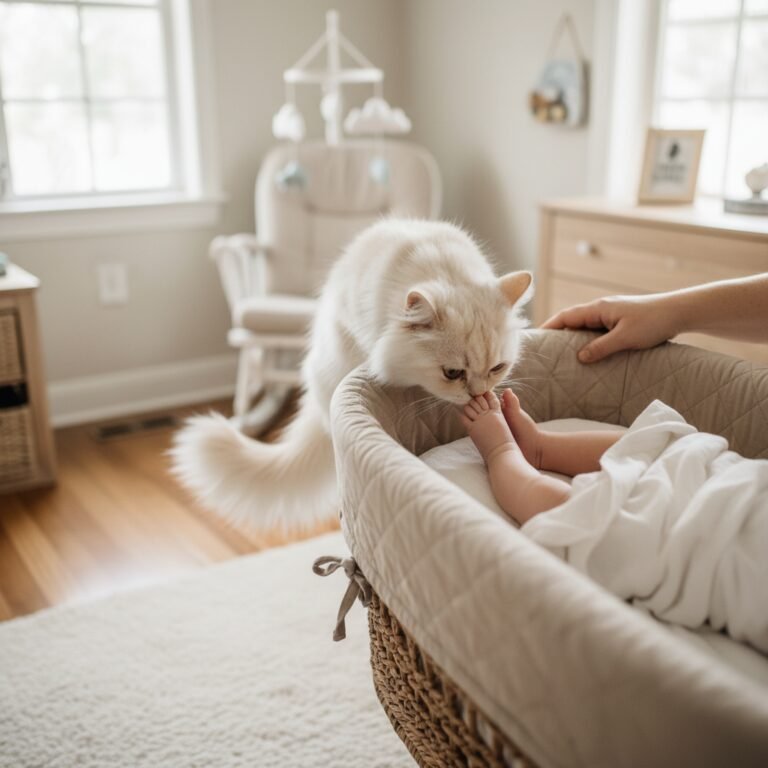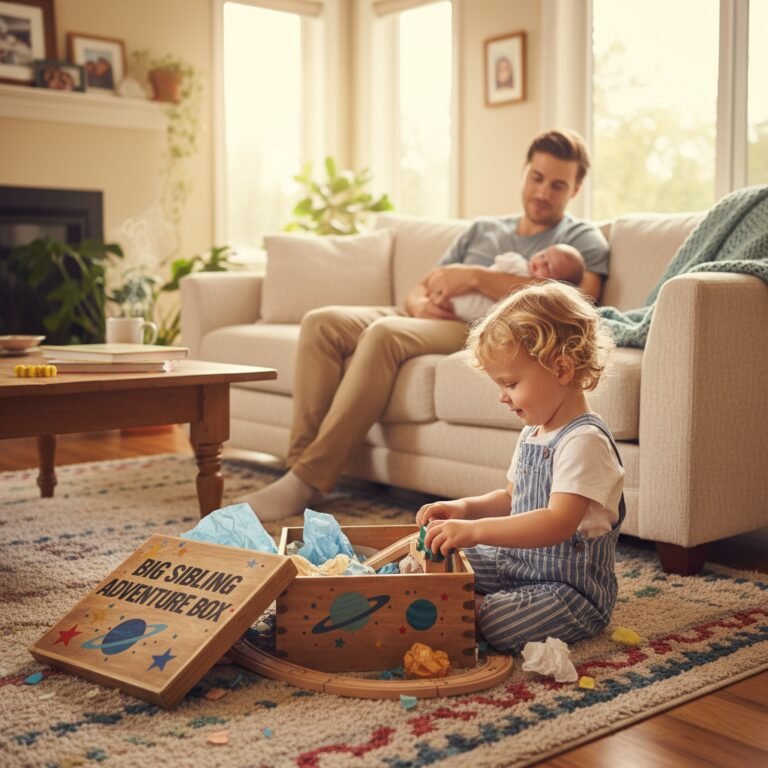
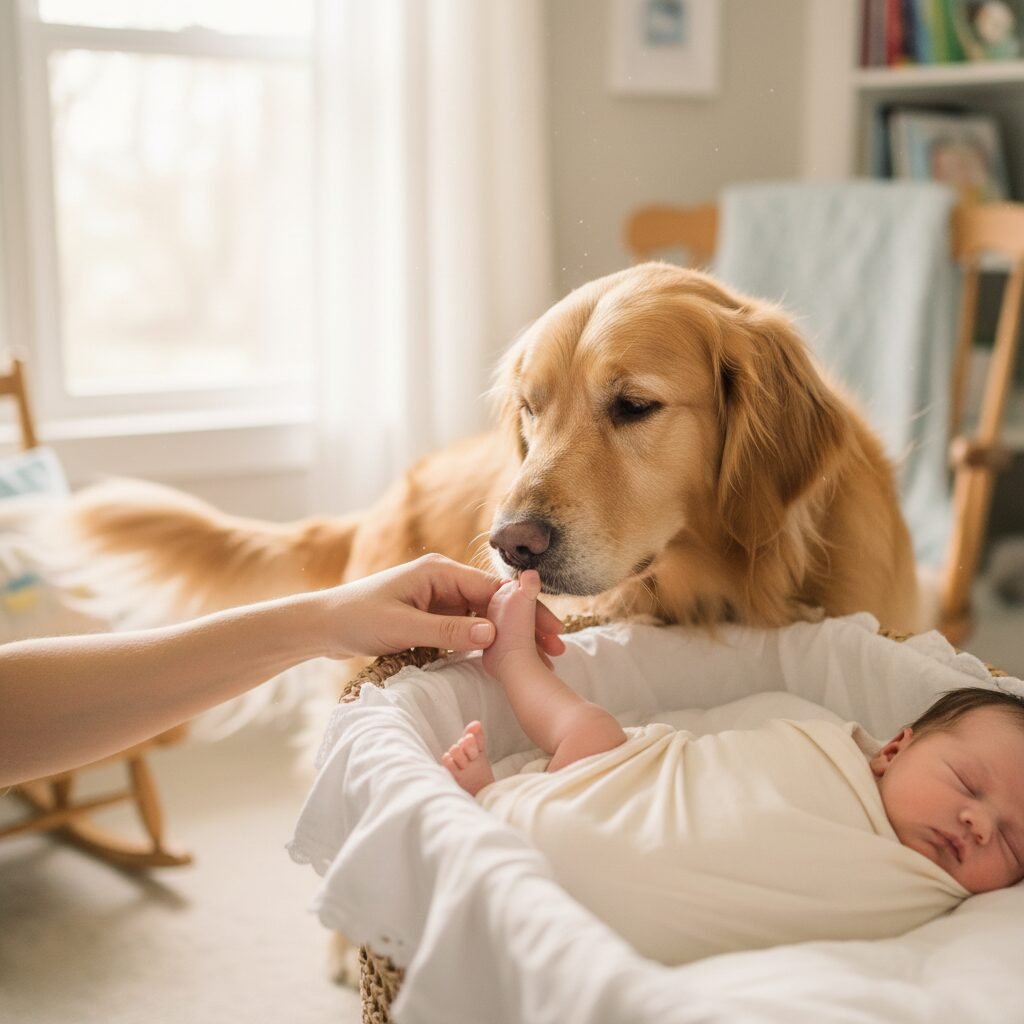
Stop The Jealousy: The Safe Way To Introduce Your Fur Baby To The New Baby
Bringing a new baby home is a whirlwind of joy, love, and immense change. For many of us, our family already includes a cherished, four-legged member who has been the center of our world. The thought of disrupting this dynamic can bring a wave of anxiety: Will my dog be jealous? Will my cat feel replaced? How can I ensure everyone is safe and happy? These are valid, common concerns that weigh heavily on the minds of expectant parents. As a doula and maternal health educator, I’ve guided countless families through this exact transition. The key to a peaceful integration isn’t luck; it’s preparation, patience, and a deep understanding of your pet’s needs. This guide will provide you with a fact-based, empathetic framework to navigate this introduction, transforming your worries into a confident plan for building one big, happy family.
Before Baby Arrives: Preparing Your Pet for a New Family Member

Before Baby Arrives: Preparing Your Pet for a New Family Member
The most crucial work happens long before you bring your baby through the front door. The nine months of pregnancy are a golden opportunity to gradually acclimate your pet to the upcoming changes, setting the stage for a smooth transition. Abrupt changes can cause stress and anxiety in animals, which can lead to unpredictable behavior. By starting early, you are communicating to your pet that these new experiences are normal and non-threatening.
Gradually Adjust Routines
Your life is about to become gloriously unpredictable. Your pet’s life, however, thrives on routine. If you know that walks will be shorter, happen at different times, or that you’ll be the primary caregiver instead of your partner, start making those changes now. Gradually shift feeding times, walk schedules, and playtime. If the pet’s sleeping area needs to move—for example, out of what will be the nursery—do it months in advance so they don’t associate the displacement with the baby’s arrival. The goal is for the ‘new normal’ to feel like the ‘old normal’ by the time the baby is home.
Introduce New Scents and Sounds
A baby brings a symphony of new sensory information into the home. You can desensitize your pet to these stimuli ahead of time.
- Scents: Start using baby lotion, powder, and soap on yourself. This creates a positive association between these new smells and you, their trusted human.
- Sounds: Play recordings of baby sounds (crying, cooing, gurgling) at a low volume for short periods. Gradually increase the volume and duration as your pet becomes comfortable. Reward calm behavior during these sessions with treats or praise.
Reinforce Obedience Training
A well-trained dog is a safer dog. This is the time to brush up on essential commands. Ensure your pet has a rock-solid understanding of:
- ‘Sit’ and ‘Stay’: Crucial for managing interactions when your hands are full with the baby.
- ‘Leave it’: Essential for dropped pacifiers, toys, or food.
- ‘Go to your spot’: Establishes a safe, designated place (a bed, a crate) where your pet can retreat when you need space.
Consider hiring a professional trainer who uses positive reinforcement methods if you need extra support.
Establish Baby-Free and Pet-Free Zones
Designate specific areas in your home as off-limits. The nursery can be a pet-free zone to ensure the baby has a safe space and to prevent your pet from climbing into the crib. Conversely, ensure your pet has their own sanctuary—a crate, a cozy bed in a quiet corner, or a cat tree—where they can escape the chaos and know they will not be bothered by the baby. Mutual respect for each other’s space is fundamental.
The First Introduction: A Calm and Controlled Step-by-Step Guide
The First Introduction: A Calm and Controlled Step-by-Step Guide
The moment of the first meeting is significant, and managing it correctly can set the tone for the entire relationship. The aim is for a calm, neutral, and positive first impression. This is not the time for a free-for-all; it requires structure and careful observation.
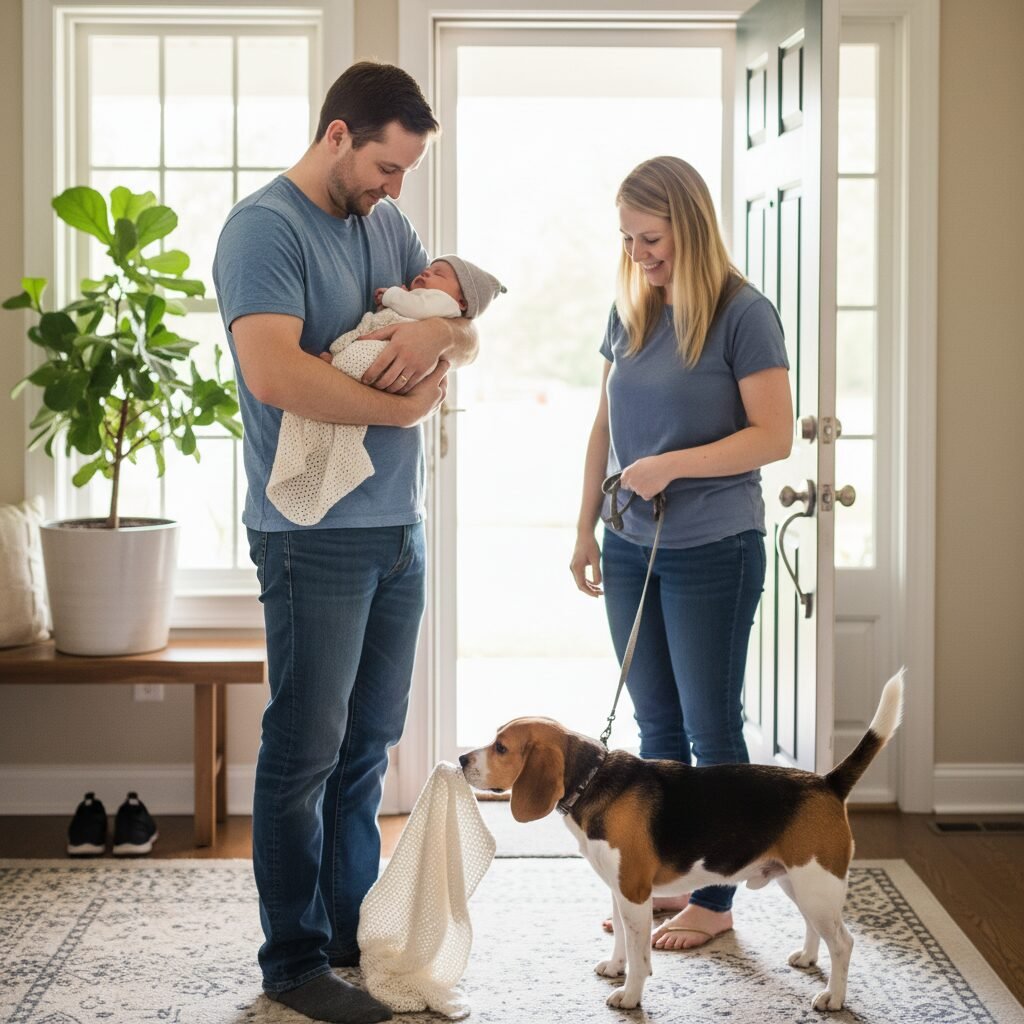
- The Scent-First Introduction: Before you even bring the baby inside, have your partner go in first to greet the pet, who will be excited to see them after your hospital stay. Then, bring in an item with the baby’s scent on it, like a receiving blanket or a hat. Let your pet sniff it calmly. This allows them to process the new smell without the overwhelming presence of the baby.
- The Initial Greeting: When you bring the baby inside, one parent should be solely responsible for the baby, and the other should manage the pet on a leash. This control is non-negotiable, regardless of how well-behaved your pet normally is. Keep the pet leashed for the first several interactions.
- Keep it Short and Positive: Allow the pet to see and sniff the baby from a safe distance. Keep the interaction brief—just a minute or two. Speak in a calm, happy voice and reward your pet with praise or a high-value treat for calm, gentle behavior. The goal is to create a positive association: good things happen when this little human is around.
- Read Body Language: Your pet communicates with their body. Understanding their signals is critical to preventing escalation. Never force an interaction if your pet is showing signs of stress. Below is a guide to common cues.
| Positive/Neutral Body Language | Stress/Warning Signs (Redirect Immediately) |
|---|---|
| Relaxed body, soft eyes, gentle tail wags | Stiff body, tense posture, whale eye (showing whites of the eyes) |
| Gentle, curious sniffing | Lip licking, excessive yawning (when not tired) |
| ‘Play bow’ or loose, wiggly posture | Low growl, snarling, raised hackles |
| Ignoring the baby and looking to you for cues | Fixated stare, tail tucked or held rigidly high |
| For cats: Slow blinks, purring, rubbing against you | For cats: Hissing, swatting, flattened ears, twitching tail |
Remember, your calm energy is contagious. If you are anxious and tense, your pet will mirror that energy. Breathe, stay present, and project confidence.
Building a Harmonious Household: The First Few Weeks and Beyond
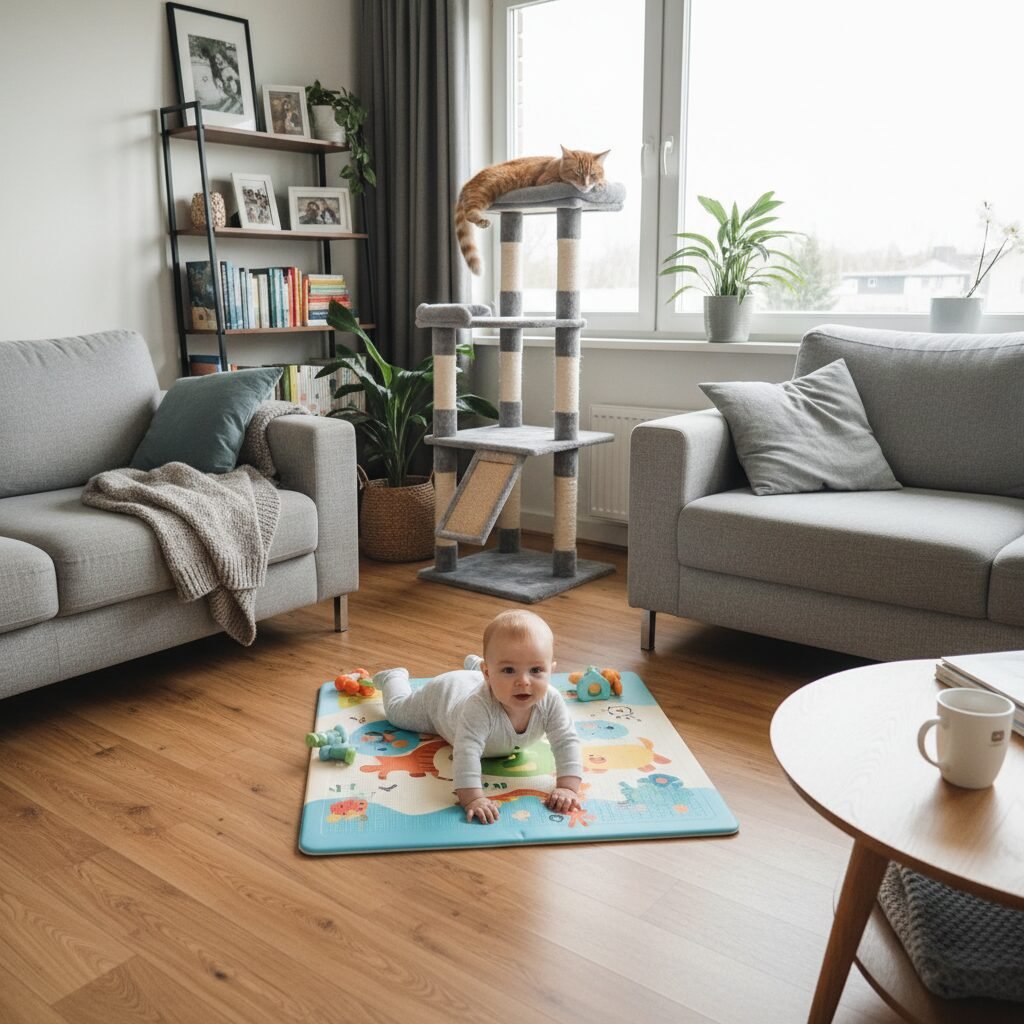
Building a Harmonious Household: The First Few Weeks and Beyond
The first introduction is just the beginning. Building a lasting, safe relationship requires consistent effort and management, especially during the chaotic first few months of your baby’s life. Your role now shifts from preparer to supervisor and facilitator of positive experiences.
Constant Supervision is Non-Negotiable
This is the most important rule. Never, ever leave your baby and your pet alone together, not even for a second. A baby’s unpredictable movements or cries can trigger a prey-drive or fear response in even the gentlest pet. An accidental scratch or nip can have devastating consequences. Use baby gates, crates, or closed doors to ensure separation whenever you cannot provide 100% direct, active supervision.
Create Positive Associations
Continue to reinforce the idea that the baby’s presence is a good thing. When you are feeding the baby, give your pet a special long-lasting chew or a puzzle toy nearby. When the baby is napping on you, invite your pet up for some quiet cuddles on the other side of the couch. Involve your pet in your new routine. Talk to them while you change diapers or go for walks with the stroller. This helps them feel included rather than excluded.
Maintain Your Pet’s Routine and One-on-One Time
While your schedule has been turned upside down, try to maintain as much of your pet’s core routine as possible—especially feeding times and walks. Most importantly, carve out small pockets of one-on-one time for your fur baby. Even five minutes of dedicated fetch, a belly rub session, or a training game can reaffirm your bond and reassure them of their secure place in the family. This dedicated attention can significantly reduce attention-seeking behaviors and feelings of jealousy.
Never Force Interactions
Allow the relationship to develop at its own pace. Never hold the baby out to the pet or force the pet to get closer than they are comfortable with. Respect your pet’s need for space. If they choose to leave the room, let them. A forced interaction is a stressful one and can create negative associations that are difficult to undo. A beautiful bond is built on trust, and trust cannot be rushed.
Recognizing Red Flags: When to Call in a Professional

Recognizing Red Flags: When to Call in a Professional
While most introductions go smoothly with proper preparation, it’s vital to recognize when a situation is beyond your ability to manage safely. Do not feel like a failure if you need help; seeking expert guidance is the most responsible thing a parent and pet owner can do. If you observe any of the following behaviors, it’s time to contact a certified animal behaviorist, a veterinary behaviorist, or a certified professional dog trainer.
- Persistent Stalking or Staring: An intense, fixated gaze on the baby is a serious red flag that can indicate predatory interest.
- Resource Guarding: If your pet begins to guard you, your partner, or toys from the baby with growling or snapping.
- Inability to Settle: A constant state of high alert, pacing, or anxiousness around the baby that does not improve over time.
- Any form of Aggression: Any growling, snarling, snapping, or biting directed at the baby is an emergency that requires immediate management (complete separation) and professional intervention.
- Sudden Behavioral Changes: Drastic changes in your pet’s eating, sleeping, or potty habits can be a sign of extreme stress that needs to be addressed with a veterinarian to rule out medical issues first.
A professional can provide a tailored behavior modification plan to address the specific issues in your home and help you create a safe environment for everyone. Your veterinarian is a great first point of contact for a referral to a qualified professional.
Conclusion
Introducing your fur baby to your new baby is a journey of patience, preparation, and proactive management. By starting before the baby arrives, orchestrating a calm first meeting, and maintaining consistent supervision and positive reinforcement, you lay the foundation for a beautiful, lifelong friendship. Remember to be patient with your pet and with yourself. This is a significant adjustment for every member of your family. Celebrate the small victories—the gentle sniff, the calm nap in the same room, the soft tail wag. With love and careful guidance, your home can be a safe and harmonious space where your child and your cherished pet grow up together, creating memories you will treasure for a lifetime.