

Nightmares & Vivid Dreams: What Your Crazy Pregnancy Dreams Actually Mean
Have you recently woken up in a cold sweat, heart pounding from a dream where you gave birth to a litter of kittens? Or perhaps you spent the night soaring through the clouds, your baby bump as light as a balloon? If your dream life has suddenly become more vivid, bizarre, or even terrifying since you became pregnant, you are not alone. Welcome to the wild, unpredictable world of pregnancy dreams. This phenomenon is incredibly common, yet it can leave expectant parents feeling confused, anxious, or simply bewildered. In this comprehensive guide, we’ll pull back the curtain on these nocturnal adventures. We will explore the potent mix of hormones, sleep disruptions, and psychological processing that fuels them, decode the most common dream themes, and provide gentle, effective strategies to help you navigate your dreamscape and get the restful sleep you need.
The Science Behind Pregnancy Dreams: Hormones, Sleep Cycles, and a Busy Brain
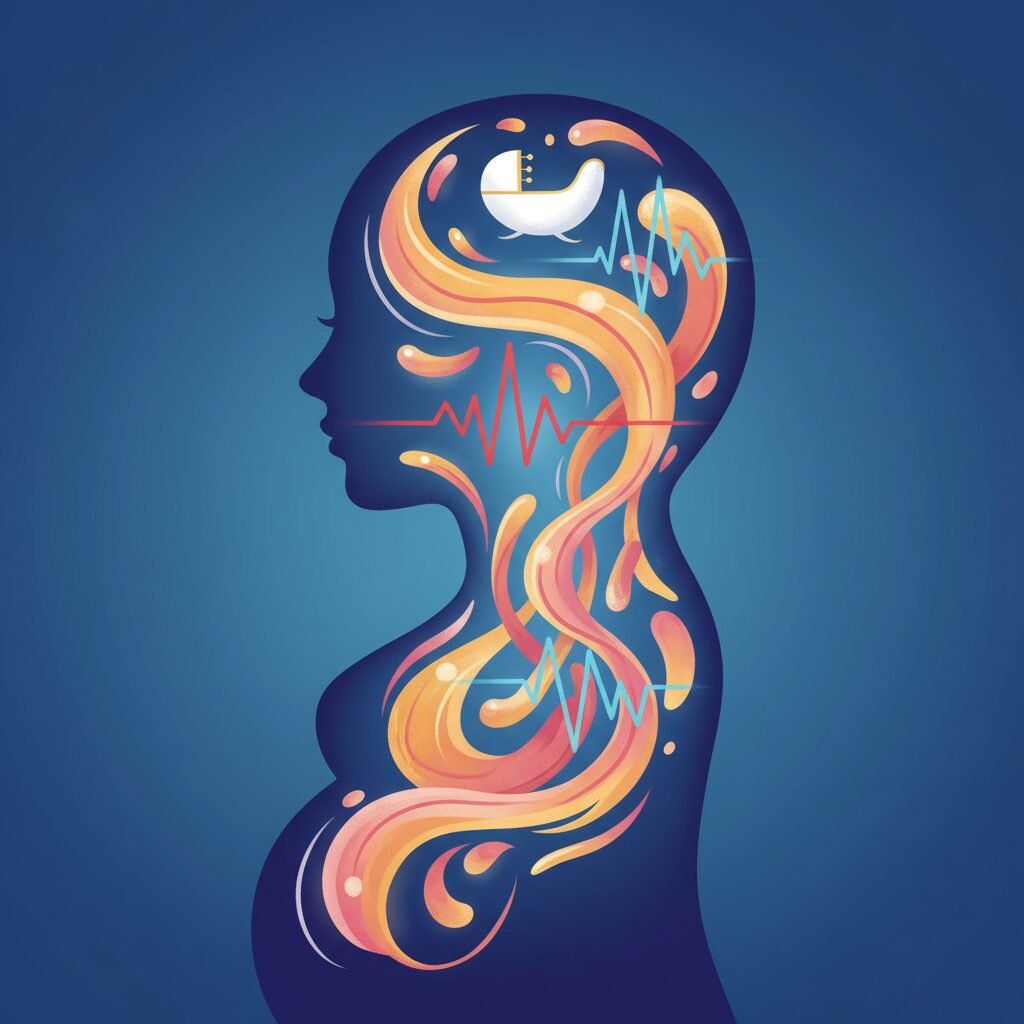
While it might feel like your mind is playing tricks on you, there’s a fascinating scientific explanation for the intensity of your dreams during pregnancy. It’s a combination of physiological and psychological factors working in concert.
The Hormonal Influence
From the moment of conception, your body is flooded with hormones, primarily progesterone and estrogen, working to sustain the pregnancy. Progesterone, in particular, has a significant impact on sleep. While it can cause daytime fatigue, it also disrupts your normal sleep patterns at night. This leads to lighter, more fragmented sleep and more frequent awakenings. Why does this matter for dreams? We do most of our dreaming during the REM (Rapid Eye Movement) stage of sleep. When you wake up more often, you’re more likely to awaken directly from a REM cycle, making the dream’s content fresh and vivid in your memory.
Changes in Sleep Architecture
Beyond hormones, the physical discomforts of pregnancy—such as frequent urination, heartburn, leg cramps, and the simple challenge of finding a comfortable position—all contribute to interrupted sleep. Each time you wake and fall back asleep, you essentially ‘reboot’ your sleep cycle, potentially increasing the total amount of REM sleep you experience throughout the night. More REM sleep and better recall upon waking create the perfect storm for experiencing what feels like an onslaught of intense dreams.
Your Brain on Overload
Pregnancy is one of the most significant life transitions a person can experience. Your brain is working overtime to process a tidal wave of new information, emotions, hopes, and fears. It’s grappling with your changing identity, the health of your baby, the impending reality of labor and delivery, and your future as a parent. Dreams are a fundamental way the subconscious mind sorts through and makes sense of waking life. During pregnancy, your brain has an enormous amount of new material to work with, and it uses the dream state as a rehearsal space and an emotional processing center.
Pregnancy is a period of profound psychological transformation, and dreams are the mind’s way of navigating this new, uncharted territory.
Decoding the Dreamscape: Common Pregnancy Dream Themes and Their Meanings

While every dream is unique, researchers and psychologists have identified several recurring themes among expectant parents. These dreams are rarely literal predictions; instead, they are symbolic representations of your underlying emotions.
Dreams About the Baby
It’s incredibly common to dream about your baby. You might dream of their gender, what they look like, or even of holding them. These dreams are often a manifestation of your excitement and bonding process. Conversely, you might have distressing dreams, such as forgetting the baby somewhere or not knowing how to care for them. These are not premonitions of parental failure. Rather, they are a completely normal expression of the universal anxiety that comes with the immense responsibility of caring for a newborn.
Dreams of Water, Animals, and Nature
Water is a powerful symbol in pregnancy dreams, often representing the amniotic fluid, the ‘breaking of waters,’ or the overwhelming emotions of the journey. You might dream of swimming in a calm ocean or being tossed by giant waves. Similarly, dreams featuring baby animals—like puppies, kittens, or fawns—often symbolize your own developing maternal instincts and nurturing side. Dreaming of a fierce, protective mother animal, like a bear or lioness, can represent your own burgeoning protective instincts for your child.
Nightmares About Labor and Delivery
Fears about the birthing process are common and frequently appear in dreams. You might dream of a chaotic, unmanageable labor or of something going wrong. This is your mind’s way of confronting and processing a major, unknown event. It’s a safe space to explore your fears without real-world consequences. Discussing these fears with your partner, doula, or healthcare provider can be incredibly helpful in easing this anxiety.
Bizarre and Surreal Scenarios
Did you dream you were pregnant with a full-grown adult? Or that your baby could talk fluently the moment it was born? These strange, surreal dreams are also par for the course. They reflect the sheer strangeness and magnitude of the transformation your body and life are undergoing. Your brain uses absurd imagery to try and make sense of a reality that is, in itself, pretty miraculous and mind-bending.
The Partner’s Perspective: When Expectant Dads and Partners Dream

The focus on pregnancy dreams is often on the birthing parent, but it’s crucial to remember that non-birthing partners are on this psychological journey, too. Expectant fathers and partners also report an increase in vivid dreams and nightmares, driven by their own set of anxieties and excitements.
Common Themes for Partners
Partners’ dreams often revolve around themes of protection, provision, and performance. They might have anxiety dreams about not being able to get to the hospital in time, not knowing how to support their partner during labor, or fears about financial stability. They may also have dreams that reflect a fear of being excluded or sidelined, as the focus naturally shifts to the pregnant person and the baby. These dreams are a valid and important part of their transition into parenthood.
The Power of Sharing
Opening up a dialogue about dreams can be a powerful bonding experience for a couple. Sharing these subconscious fears and hopes can foster deeper empathy and understanding. When a partner shares an anxiety dream, it’s an opportunity to reassure them of their vital role in this journey. Creating a space free of judgment for both partners to discuss their nocturnal narratives can strengthen your connection and help you face the challenges of parenthood as a united team.
From Night Terrors to Sweet Dreams: Strategies for Managing Unsettling Dreams
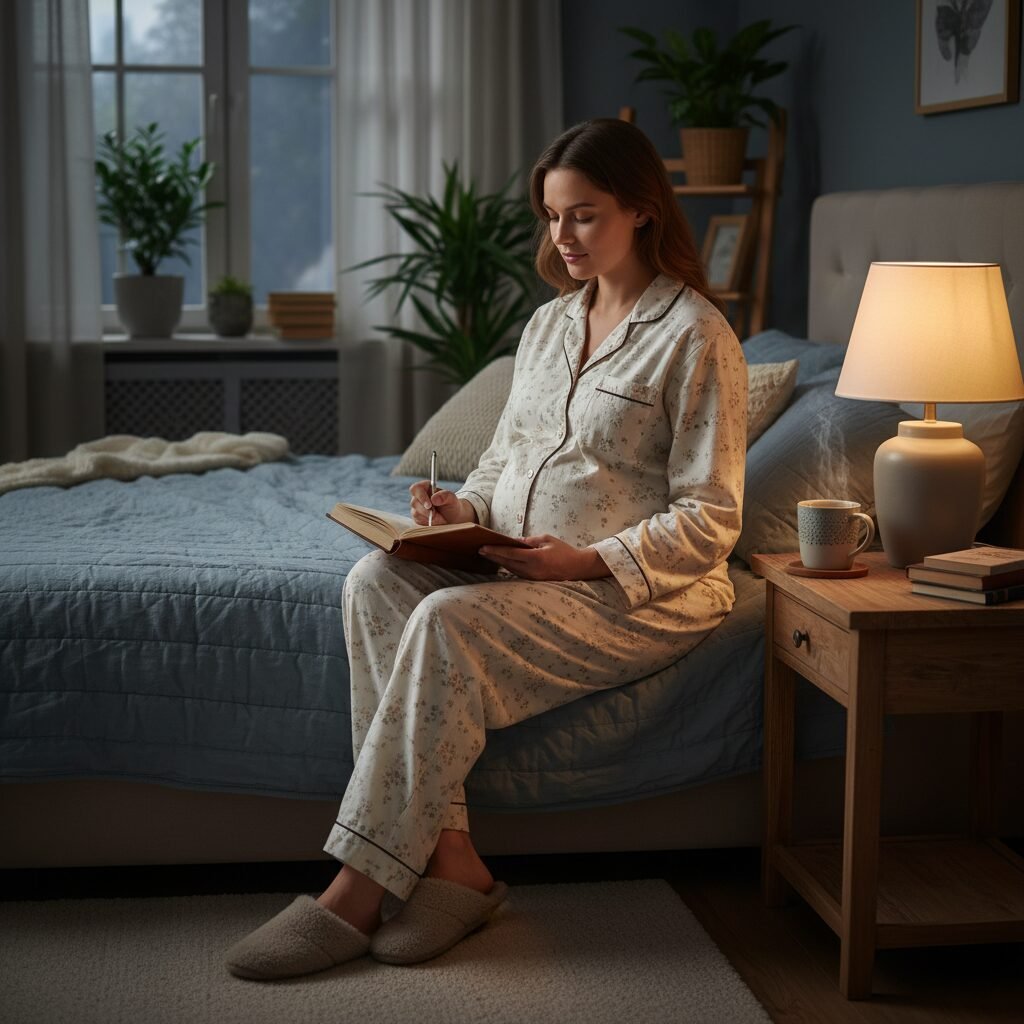
While you can’t control what you dream about, you can take steps to promote more peaceful sleep and manage the anxiety that unsettling dreams can cause. The goal is not to eliminate the dreams, but to reduce their power over your emotional well-being.
Create a Relaxing Bedtime Ritual
Signal to your body and mind that it’s time to wind down. An hour before bed, turn off stimulating screens (phones, tablets, TVs). Instead, try some of these calming activities:
- A Warm Bath: Add Epsom salts or lavender oil to soothe sore muscles and calm your nervous system.
- Gentle Stretching: Focus on prenatal yoga poses that relieve tension in your hips and back.
- Reading: Choose a lighthearted book over a suspenseful thriller.
- Listening to Calming Music or a Guided Meditation: Apps like Calm or Headspace have specific meditations for sleep and pregnancy.
Practice ‘Brain Dumping’
Keep a journal and a pen by your bedside. Before you turn off the light, spend 10-15 minutes writing down everything that’s on your mind—your worries, your to-do list, your hopes. This practice, often called a ‘brain dump,’ can help externalize your anxieties so your subconscious doesn’t have to work so hard to process them while you sleep. If you wake from a nightmare, writing it down can also help rob it of its power by moving it from an emotional experience to a narrative on a page.
Improve Your Sleep Hygiene
Your sleep environment matters. Ensure your bedroom is a sanctuary for rest:
- Keep it Cool: A lower room temperature promotes better sleep.
- Keep it Dark: Use blackout curtains or an eye mask to block out light.
- Keep it Quiet: Consider a white noise machine or earplugs to drown out disruptive sounds.
Talk It Out
Don’t hold the contents of a disturbing dream inside. Share it with your partner, a trusted friend, or a family member. Often, simply saying the fears out loud can make them seem less daunting. Hearing a loved one say, “That sounds scary, but it was just a dream,” can be incredibly grounding.
When to Seek Professional Support

Vivid dreams and occasional nightmares are a normal part of the pregnancy experience. However, there are times when they may signal a deeper issue that warrants professional attention. It’s important to know the difference between normal processing and a sign of a perinatal mood and anxiety disorder (PMAD).
Consider reaching out to your healthcare provider (OB-GYN or midwife) or a mental health professional specializing in perinatal health if:
- Your nightmares are consistently violent or traumatic.
- The anxiety from your dreams persists long after you wake up and significantly impacts your ability to function during the day.
- You are actively avoiding sleep because you are afraid of the dreams you might have.
- Your dreams are contributing to feelings of hopelessness, severe depression, or panic attacks.
These can be symptoms of prenatal anxiety or depression, which are common and treatable conditions. Reaching out for help is a sign of strength and an important step in caring for both your own well-being and that of your baby. A therapist can provide you with targeted coping strategies and a safe space to process the complex emotions of pregnancy.
Conclusion
Your pregnancy dreams, in all their weird and wonderful glory, are a testament to the monumental journey you are on. They are not prophecies, nor are they judgments on your future abilities as a parent. Instead, they are a deeply personal, symbolic language your mind uses to navigate one of life’s most profound transformations. By understanding the science behind them and learning to decode their themes, you can transform them from a source of anxiety into a source of insight. Embrace your bedtime rituals, lean on your support system, and never hesitate to seek professional guidance if you need it. You are preparing your mind, body, and heart for the arrival of your child, and your dreams are simply a part of that beautiful, complex, and ultimately rewarding process.
Disclaimer: This article is for informational purposes only and does not constitute medical advice. The information contained herein is not a substitute for and should never be relied upon for professional medical advice. Always talk to your doctor or a qualified healthcare provider about any questions you may have regarding a medical condition.