
Belt vs. Band: Which Pregnancy Support Gear Do You Actually Need?
Welcome to the incredible journey of pregnancy! As your body undergoes beautiful, transformative changes, it’s natural to experience new sensations, including some aches and discomforts. For many expectant parents, especially new moms and those navigating pregnancy for the first time, finding ways to alleviate these pains becomes a top priority. You might have heard whispers about ‘maternity belts’ and ‘belly bands’ and wondered if they could be your secret weapon for a more comfortable pregnancy.
As a doula and maternal health educator, I’ve seen firsthand the difference targeted support can make. It’s not about just ‘powering through’ the discomfort; it’s about empowering yourself with the tools to feel better, stay active, and truly enjoy this special time. But with so many options, how do you know which one is right for you? Is a belt better than a band, or vice versa? Or perhaps, could both play a role?
In this guide, we’ll compassionately explore the world of pregnancy support gear. We’ll break down the maternity belt and the belly band, examining their unique designs, benefits, and ideal uses. Our goal is to provide you with clear, fact-based information, coupled with empathetic support, so you can make an informed decision that truly meets your body’s needs and enhances your pregnancy experience.
Understanding Your Body’s Needs: Why Support Matters During Pregnancy
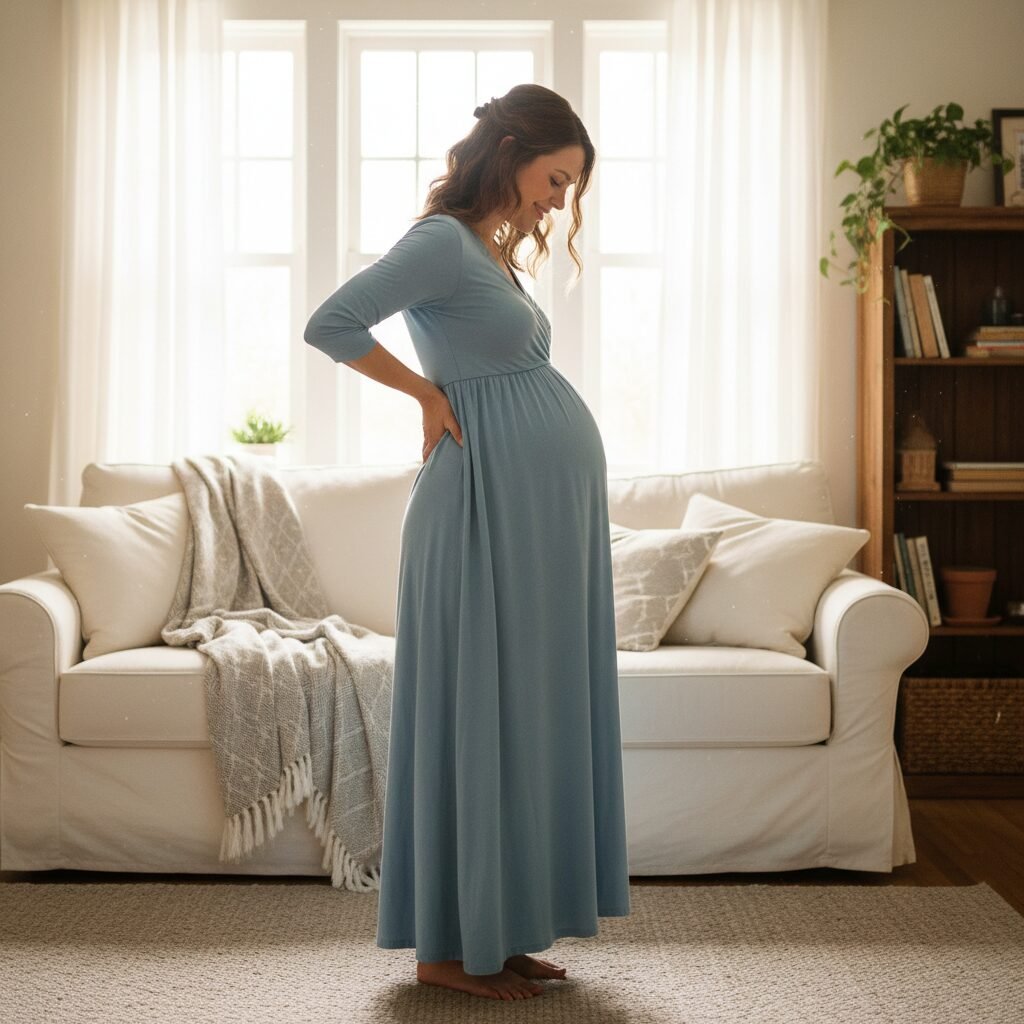
Pregnancy is a marathon of physiological changes, each designed to nurture your growing baby. While absolutely miraculous, these changes can put significant strain on your musculoskeletal system. Understanding these common discomforts is the first step toward finding effective relief.
The Common Aches and Pains:
- Lower Back Pain: As your uterus expands, your center of gravity shifts forward. To compensate, you might unconsciously lean backward, increasing the curve in your lower back (lordosis) and straining the muscles and ligaments there.
- Pelvic Girdle Pain (PGP) / Symphysis Pubis Dysfunction (SPD): Hormones like relaxin loosen the ligaments around your pelvis, preparing it for childbirth. While essential, this can lead to instability and pain in your pubic bone, hips, and lower back.
- Round Ligament Pain: These ligaments connect the front of your uterus to your groin. As your uterus grows, they stretch, sometimes causing sharp, jabbing pain, especially with sudden movements.
- Sciatica: The growing uterus can sometimes put pressure on the sciatic nerve, leading to pain, numbness, or tingling that radiates down your leg.
- Abdominal Heaviness: The increasing weight of your baby and uterus can feel like a constant downward pull, leading to a sense of heaviness or discomfort in your lower abdomen.
These discomforts aren’t just minor annoyances; they can significantly impact your mobility, sleep, and overall quality of life during pregnancy. This is where targeted support gear comes into play, offering a gentle lift and stabilization to help your body adapt and find comfort.
The Mighty Maternity Belt: Targeted Relief for Specific Pains
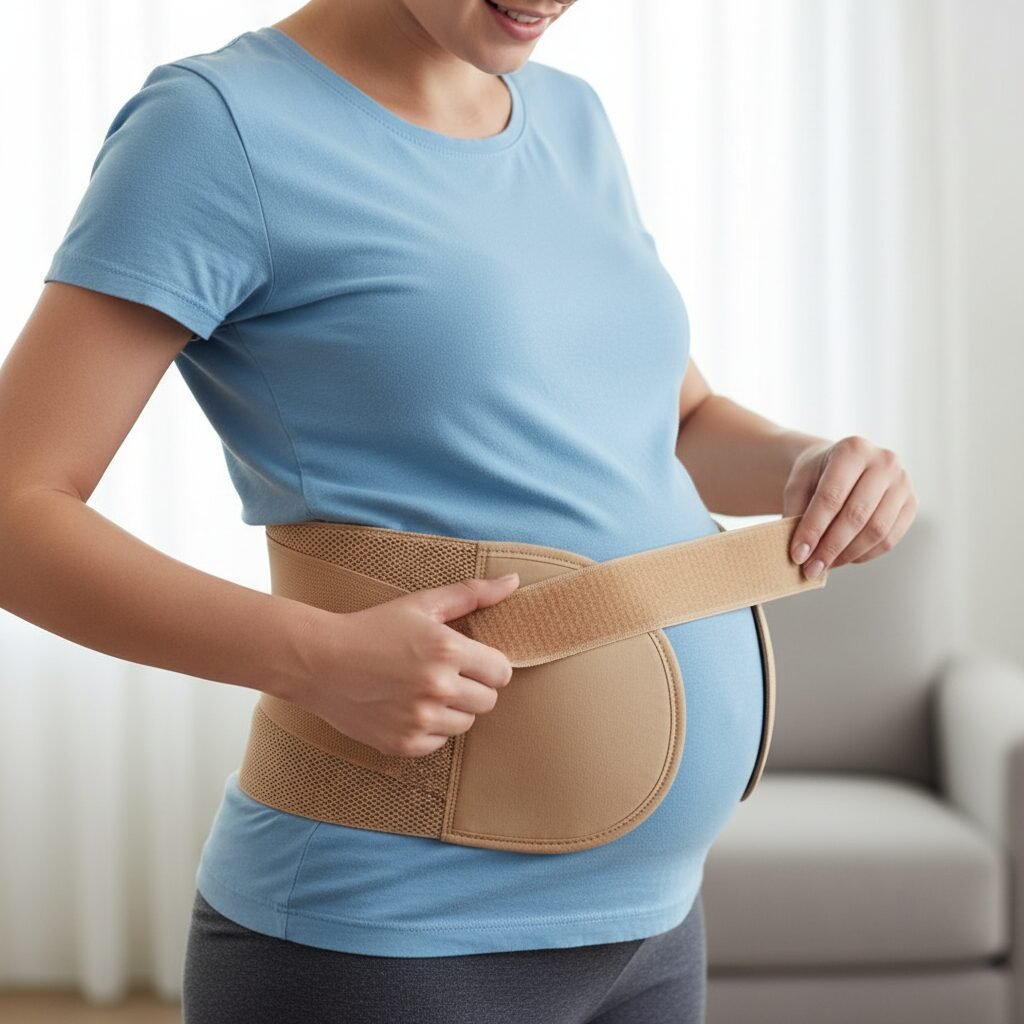
A maternity belt, also known as a pregnancy belt or sacroiliac belt, is designed to provide targeted support to your lower back and pelvis. It typically consists of a strong, elastic band that wraps around your lower back and under your belly, often with adjustable straps for a customized fit.
How It Works:
The primary function of a maternity belt is to lift and support your abdomen, redistributing the weight of your growing uterus. This helps to:
- Alleviate Lower Back Pain: By lifting the belly, it reduces the strain on your lower back muscles and ligaments, helping to correct posture.
- Stabilize the Pelvis: It gently compresses the pelvic joints, offering stability and reducing pain associated with PGP or SPD.
- Reduce Round Ligament Pain: The support can lessen the pull on the round ligaments, minimizing sharp pains.
When a Maternity Belt Shines:
Maternity belts are often recommended for those experiencing more pronounced, localized pain, especially in the lower back and pelvis. They are particularly beneficial during the second and third trimesters when the baby’s weight is more significant.
Considerations for Maternity Belts:
- Pros:
- Strong, targeted support: Excellent for severe back and pelvic pain.
- Postural correction: Helps maintain proper spinal alignment.
- Adjustable: Many models offer significant adjustability for a custom fit as your body changes.
- Reduces pressure: Can lessen pressure on the bladder for some.
- Cons:
- Can be bulky: May be visible under tighter clothing.
- Less versatile: Primarily designed for specific support, not general compression.
- May cause discomfort if too tight: Improper fitting can lead to pressure or rubbing.
- Not ideal for all-day wear: Often recommended for specific periods of activity or discomfort, not continuous wear.
Embracing the Belly Band: Gentle Compression and Everyday Comfort

A belly band, sometimes called a maternity band or abdominal support band, is a softer, wider, and more flexible garment. It typically looks like a tube of stretchy fabric that you pull over your belly, extending from just below your breasts to your hips. Unlike the targeted lift of a belt, a belly band offers gentle, all-around compression.
How It Works:
Belly bands are designed to provide light support and comfort, rather than intense structural stabilization. They work by:
- Providing Gentle Compression: This can help to hold up your growing belly, reducing the feeling of heaviness and providing a sense of security.
- Extending Clothing Life: Many parents use belly bands to extend the wear of their pre-pregnancy pants by covering unbuttoned waistbands.
- Offering a Smooth Silhouette: They can create a smoother line under clothing and prevent maternity pants from slipping down.
- Light Support for Core Muscles: While not as firm as a belt, the gentle compression can offer some comfort to strained abdominal muscles.
When a Belly Band Shines:
Belly bands are often favored in the first and early second trimesters for light support and comfort, or for those who prefer a less restrictive feel. They are excellent for everyday wear, light activities, and for transitioning into maternity clothing.
Considerations for Belly Bands:
- Pros:
- Comfortable for everyday wear: Soft, flexible, and less restrictive than a belt.
- Versatile: Can be used for light support, clothing extension, and smoothing.
- Discreet: Often less visible under clothing.
- Gentle compression: Provides a comforting hug to the belly.
- Cons:
- Less targeted support: Not as effective for severe back or pelvic pain.
- May roll up: Some thinner bands can roll or bunch, especially with movement.
- Can be warm: The extra layer of fabric might feel warm in hot weather.
- Limited adjustability: Less customizable fit compared to a belt.
Side-by-Side: Unpacking the Differences Between Belts and Bands
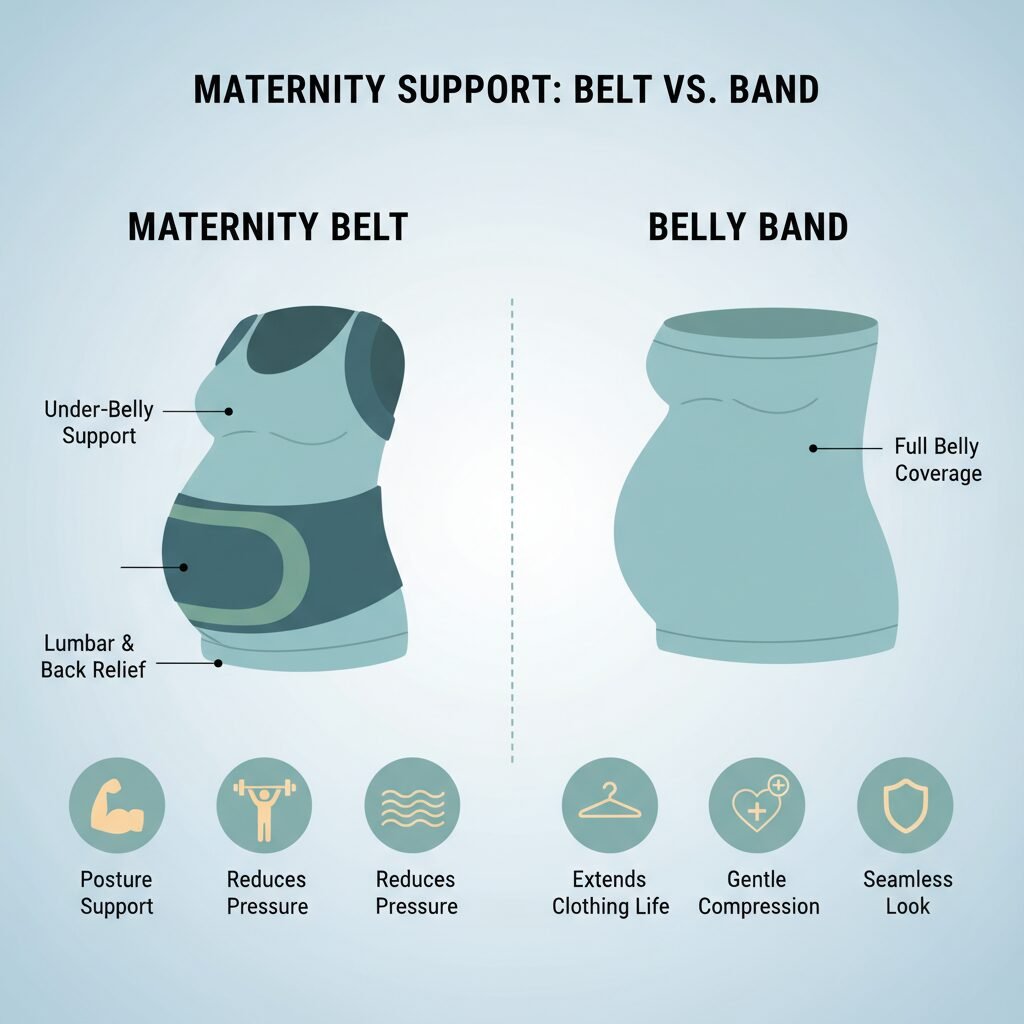
To help you visualize the core distinctions and make an informed choice, here’s a direct comparison of maternity belts and belly bands:
| Feature | Maternity Belt (Pregnancy Support Belt) | Belly Band (Maternity Band) |
|---|---|---|
| Primary Function | Targeted support and lift for lower back and pelvis; stabilizes joints. | Gentle compression, light support, clothing extender, smoothing. |
| Design | Narrower, firmer, often adjustable straps, wraps under belly and around lower back. | Wider, softer, stretchy tube of fabric, covers entire belly area. |
| Support Level | High; provides significant lift and compression for specific pain points. | Low to moderate; offers gentle compression and a feeling of security. |
| Ideal For | Severe lower back pain, pelvic girdle pain (PGP), round ligament pain, sciatica. | Mild aches, abdominal heaviness, extending pre-pregnancy clothing, light activity. |
| Visibility | Can be more noticeable under fitted clothing due to bulk. | Generally more discreet, can blend seamlessly under clothing. |
| Comfort Level | Can feel restrictive if worn too tightly; best for periods of activity. | Comfortable for all-day wear; feels like a gentle hug. |
| Material | Often durable elastic, neoprene, or fabric with stronger support panels. | Soft, stretchy fabrics like cotton, spandex, or bamboo blends. |
| Adjustability | Highly adjustable with Velcro or buckle closures to customize fit. | Limited adjustability; primarily relies on fabric stretch. |
As you can see, while both aim to provide comfort during pregnancy, their approaches and ideal uses are quite different. Neither is inherently ‘better’ than the other; it truly depends on what your body needs most at a given time.
Making the Right Choice: When to Opt for a Belt, a Band, or Both

Deciding between a maternity belt and a belly band, or even considering using both, comes down to understanding your specific discomforts and lifestyle. Let’s break down how to make the best choice for you:
Choose a Maternity Belt If:
- You are experiencing significant lower back pain that impacts your daily activities.
- You have been diagnosed with Pelvic Girdle Pain (PGP) or Symphysis Pubis Dysfunction (SPD).
- You feel a heavy, downward pressure in your pelvis or lower abdomen, especially during walking or standing.
- You engage in moderate physical activity (e.g., walking, light exercise) and need extra support during these times.
- Your healthcare provider has recommended specific pelvic or back support.
“Listen to your body, it’s telling you what it needs. If you’re feeling sharp, persistent pain, a maternity belt can offer the targeted relief that allows you to move more freely and comfortably.” – A Certified Doula’s Insight
Choose a Belly Band If:
- You need gentle, all-around support for general abdominal heaviness or mild aches.
- You want to extend the life of your pre-pregnancy pants or prevent maternity pants from slipping.
- You prefer a less restrictive, more comfortable feel for everyday wear.
- You are in your first or early second trimester and require lighter support.
- You want a smoother silhouette under your clothing.
Consider Using Both If:
For many expectant parents, a combination approach offers the best of both worlds. You might find yourself reaching for a belly band for daily comfort and clothing extension, and then switching to a maternity belt for specific activities, longer periods of standing, or when particular pains flare up. This dynamic approach allows you to tailor your support to the changing demands of your day and your evolving body.
- Use the belly band for general comfort, light activities, and clothing support.
- Use the maternity belt for targeted pain relief during exercise, long walks, or when experiencing significant back/pelvic pain.
Remember, the best choice is the one that makes you feel most comfortable and supported. Don’t hesitate to try both if your budget allows, and see what resonates with your body.
Maximizing Your Comfort: Tips for Safe and Effective Use
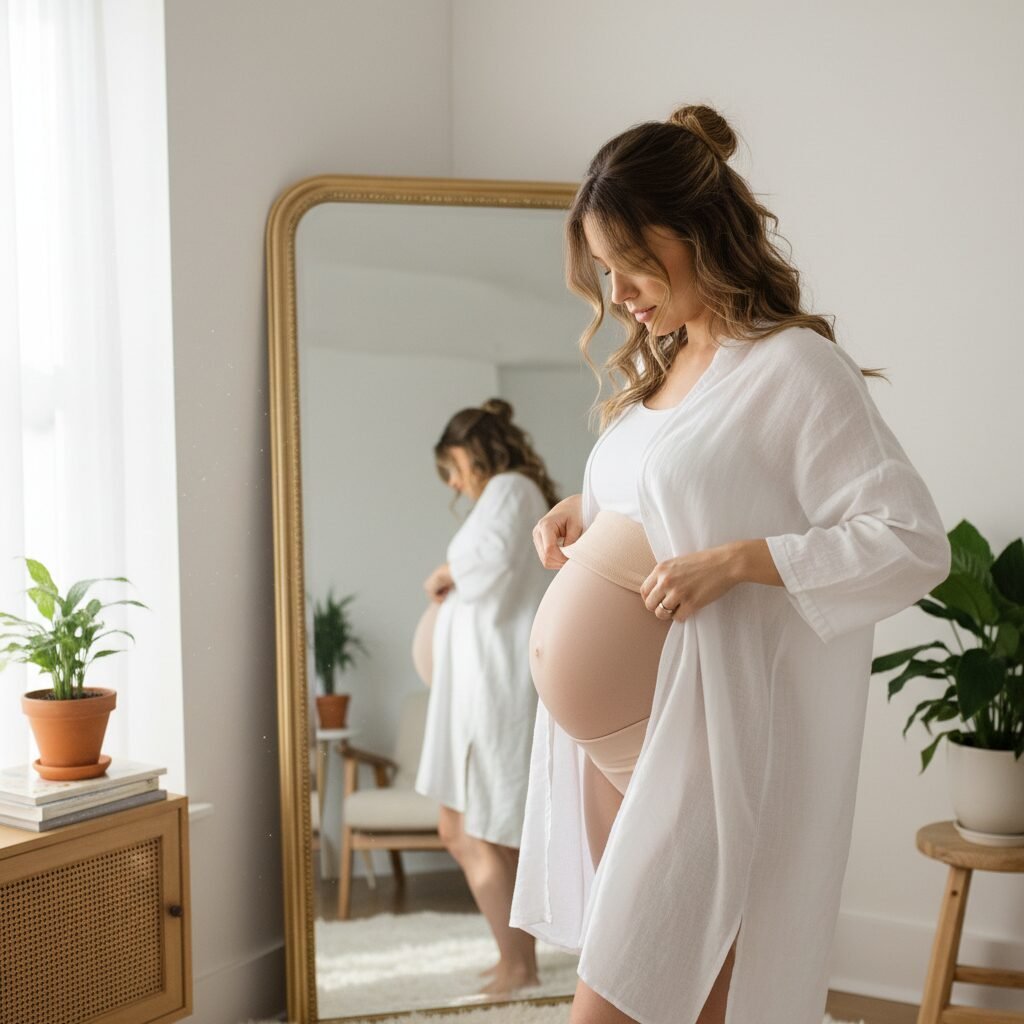
Once you’ve chosen your pregnancy support gear, knowing how to use it correctly is crucial for maximizing its benefits and ensuring your safety. Improper use can lead to discomfort or even exacerbate existing issues.
General Tips for Both Belts and Bands:
- Listen to Your Body: If something feels uncomfortable, too tight, or causes new pain, adjust it or take it off. Your body is your best guide.
- Don’t Over-Tighten: While support is good, excessive compression can restrict blood flow, cause heartburn, or put unnecessary pressure on your abdomen. You should be able to breathe deeply and comfortably.
- Take Breaks: Avoid wearing support garments for 24 hours a day. Give your muscles a chance to work on their own. Aim for a few hours on, a few hours off, especially if using a maternity belt.
- Keep it Clean: Follow manufacturer’s washing instructions to maintain hygiene, especially with items worn close to the skin.
- Stay Hydrated: While not directly related to the gear, staying hydrated is always important for overall comfort and health during pregnancy.
Specific Tips for Maternity Belts:
- Proper Placement: The widest part of the belt should typically sit across your lower back, just above your tailbone, with the narrower front part cradling under your belly. It should lift your belly slightly, not squeeze it.
- Adjust as Needed: Your body changes daily. Adjust the straps throughout the day or as your pregnancy progresses to maintain optimal comfort and support.
- Combine with Core Exercises: While the belt offers external support, continue with gentle prenatal exercises (like pelvic tilts and kegels, if advised by your doctor) to strengthen your core and pelvic floor muscles.
Specific Tips for Belly Bands:
- Smooth It Out: Ensure the band lies flat against your skin or clothing to prevent rolling or bunching.
- Layering: Use it as a base layer under your clothes or to bridge the gap between your pre-pregnancy tops and bottoms.
- Check for Irritation: If you have sensitive skin, ensure the fabric doesn’t cause any rubbing or irritation, especially as your skin stretches.
“Your journey through pregnancy is unique. The right support gear can be a game-changer, but always remember to consult with your healthcare provider about any persistent pain or discomfort. They are your best resource for personalized advice.” – A Maternal Health Educator’s Recommendation
By following these guidelines, you can ensure that your chosen pregnancy support gear provides the maximum comfort and relief, helping you feel more empowered and at ease during this incredible time.
Conclusion
The journey of pregnancy is filled with wonder, anticipation, and often, a fair share of physical adjustments. Understanding and addressing the discomforts that arise is a testament to your commitment to your well-being and that of your baby. Whether you choose the targeted power of a maternity belt, the gentle embrace of a belly band, or a combination of both, remember that these tools are here to support you in feeling your best.
You are not alone in navigating these new sensations. Many expectant parents find immense relief and renewed energy by incorporating the right support gear into their daily lives. Our hope is that this guide has empowered you with the knowledge to make an informed decision, tailored specifically to your body’s unique needs and your personal comfort.
Always prioritize listening to your body, adjusting your support as your pregnancy progresses, and never hesitate to consult with your healthcare provider about any persistent pain or concerns. They are your invaluable partners in ensuring a healthy and comfortable pregnancy. Embrace this time with confidence and comfort, knowing you have the tools to support your incredible journey to parenthood.
Medical Disclaimer: The information provided in this article is for general informational purposes only and does not constitute medical advice. It is not intended to be a substitute for professional medical advice, diagnosis, or treatment. Always seek the advice of your physician or other qualified health provider with any questions you may have regarding a medical condition.