Finally! 7 Nursing Bras That Actually Support DDD+ Cups (No Uniboobs)
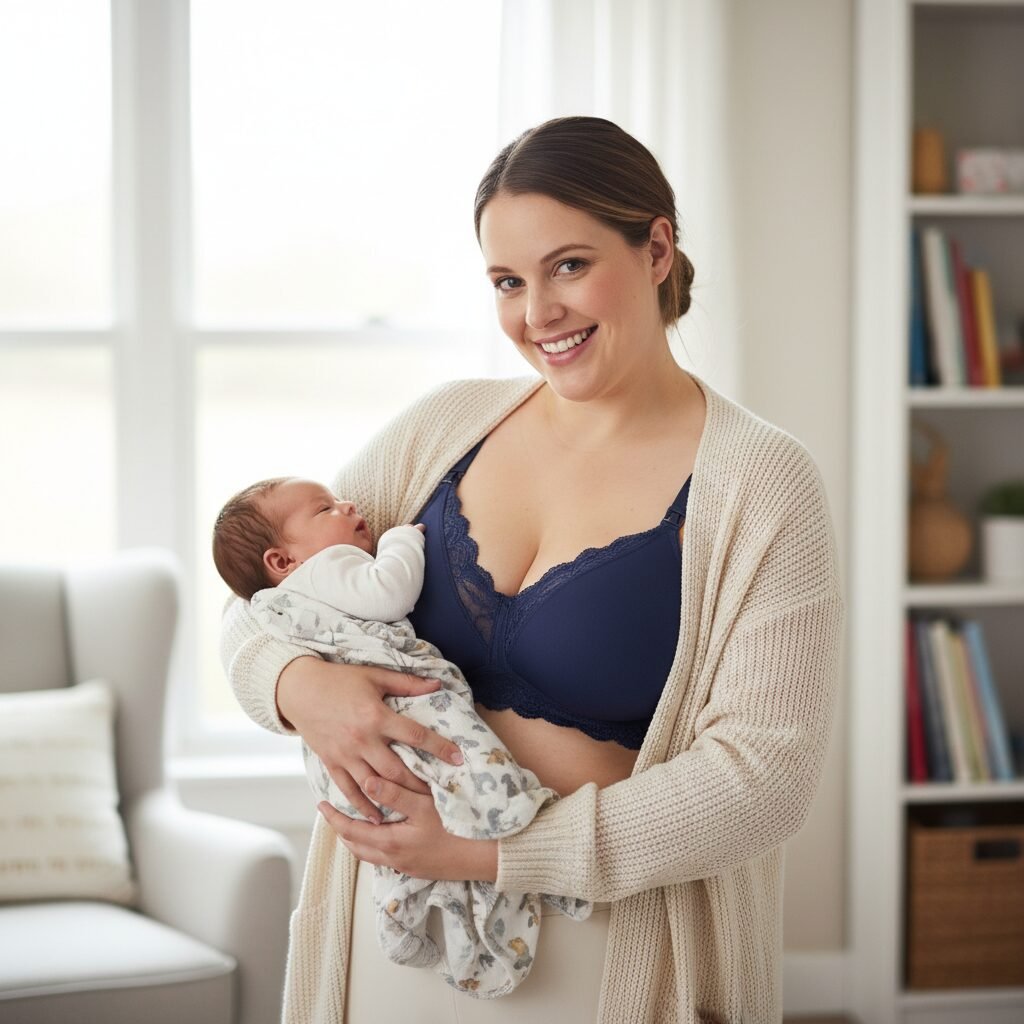
The journey into motherhood is filled with countless decisions, preparations, and a steep learning curve. Amidst choosing strollers and stocking up on diapers, one of the most personal and crucial items for a breastfeeding parent is the nursing bra. For those of us blessed with a fuller bust—sizes DDD and beyond—this search often turns from an exciting preparation into a frustrating quest. You’re met with flimsy fabrics, straps that dig, and the most notorious of all fit issues: the dreaded ‘uniboob.’ It’s that compressed, unsupported shape that leaves you feeling less than confident and, more importantly, uncomfortable.
As a doula and maternal health educator, I’ve listened to countless clients express this exact frustration. Proper support isn’t a luxury; it’s a necessity. A well-constructed nursing bra does more than just provide shape. It alleviates back and shoulder pain, helps maintain good posture, and can even play a role in preventing issues like clogged milk ducts by avoiding undue pressure on breast tissue. It’s about feeling secure, comfortable, and respected in your postpartum body.
That’s why this guide was created. We’ve sifted through the market, tested the claims, and listened to the feedback from real mothers. This isn’t just a list; it’s a curated collection of the best nursing bras that genuinely cater to DDD+ cups. We’re talking separation, lift, and support without sacrificing the convenience you need for feeding. It’s time to end the compromise and find a nursing bra that makes you feel as amazing as you are. Let’s dive in.
Beyond the Clips: Key Features of a Truly Supportive DDD+ Nursing Bra
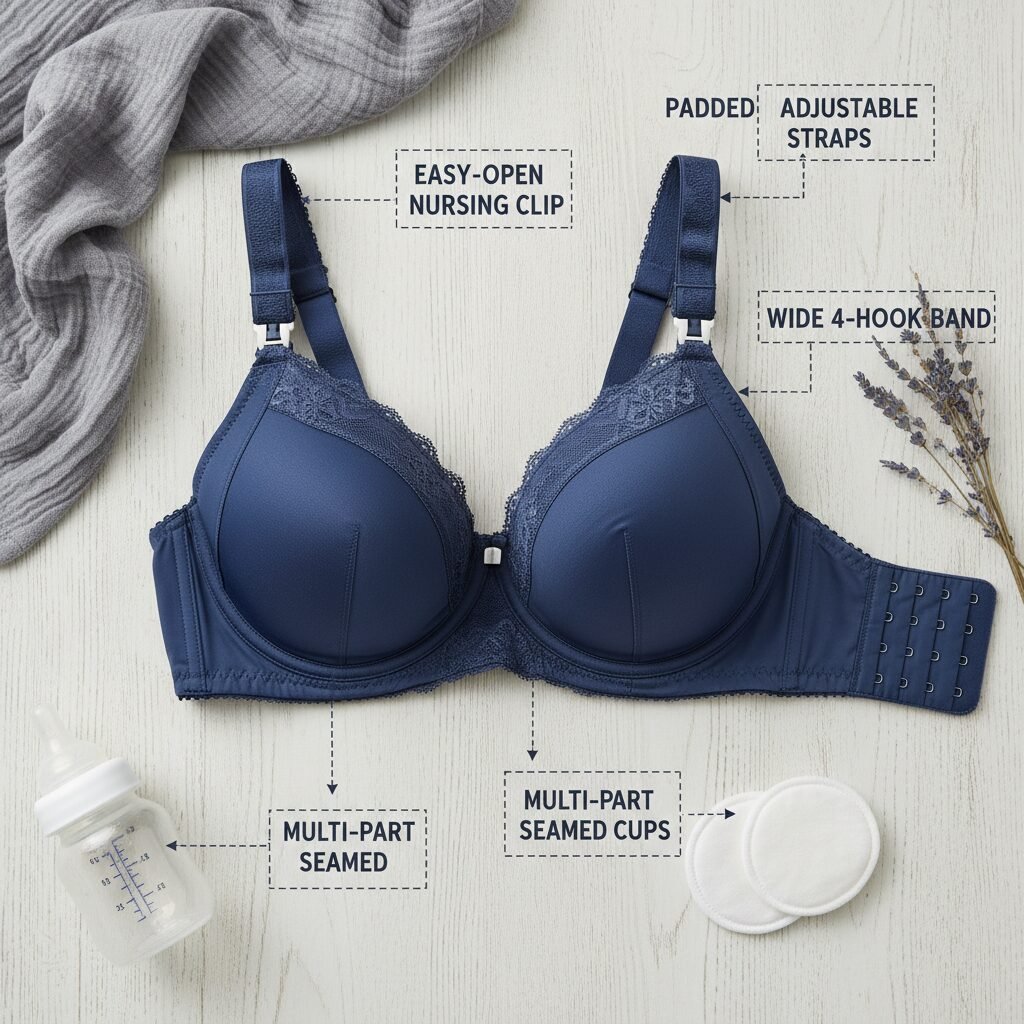
Before we reveal our top picks, it’s crucial to understand what separates a truly supportive nursing bra from one that will let you down. For larger cup sizes, the engineering of the bra is paramount. Simply sizing up a standard design doesn’t work. Here’s the anatomy of a great DDD+ nursing bra:
The Foundation: A Wide, Firm Band
This is the single most important element. Approximately 80% of a bra’s support should come from the band, not the straps. Look for:
- Width: A band with at least three, and preferably four, hook-and-eye closures provides a wider, more stable anchor around your torso.
- Firmness: The fabric should be firm but comfortable, made from a power-mesh or a dense microfiber blend. When you buy it, it should fit snugly on the loosest hook. This allows you to tighten it as the band naturally stretches over time.
The Structure: Encapsulation Over Compression
This is the secret to defeating the uniboob. Many sports bras and sleep bras use compression, which simply flattens breast tissue against the chest. For everyday wear, you need encapsulation.
- Separate Cups: A bra with two distinct, structured cups will lift and separate each breast. This provides a more natural shape, better support, and improved airflow, which can help reduce irritation and yeast infections.
- Seams and Panels: Don’t be afraid of seams! Multi-part cups (cups made from several pieces of fabric sewn together) often provide superior shaping and support compared to seamless, molded cups, especially for heavier busts.
The Lifters: Wide, Padded Straps
While the band does the heavy lifting, the straps provide final shaping and security. For a DDD+ cup, thin, flimsy straps are a recipe for painful digging and shoulder strain.
- Cushioning: Look for straps with built-in padding, especially over the top of the shoulder.
- Adjustability: Ensure the straps are fully adjustable from the back to allow you to customize the fit as your breasts change in fullness throughout the day.
The Material: Breathable and Strong
The fabric needs to be a workhorse. It must be strong enough to support significant weight but soft and breathable enough to be worn against sensitive skin for long hours. Blends of cotton, modal, and high-quality synthetics like nylon and elastane often provide the perfect balance of comfort, moisture-wicking properties, and durability.
Measure Twice, Buy Once: Your Guide to Finding the Perfect Fit
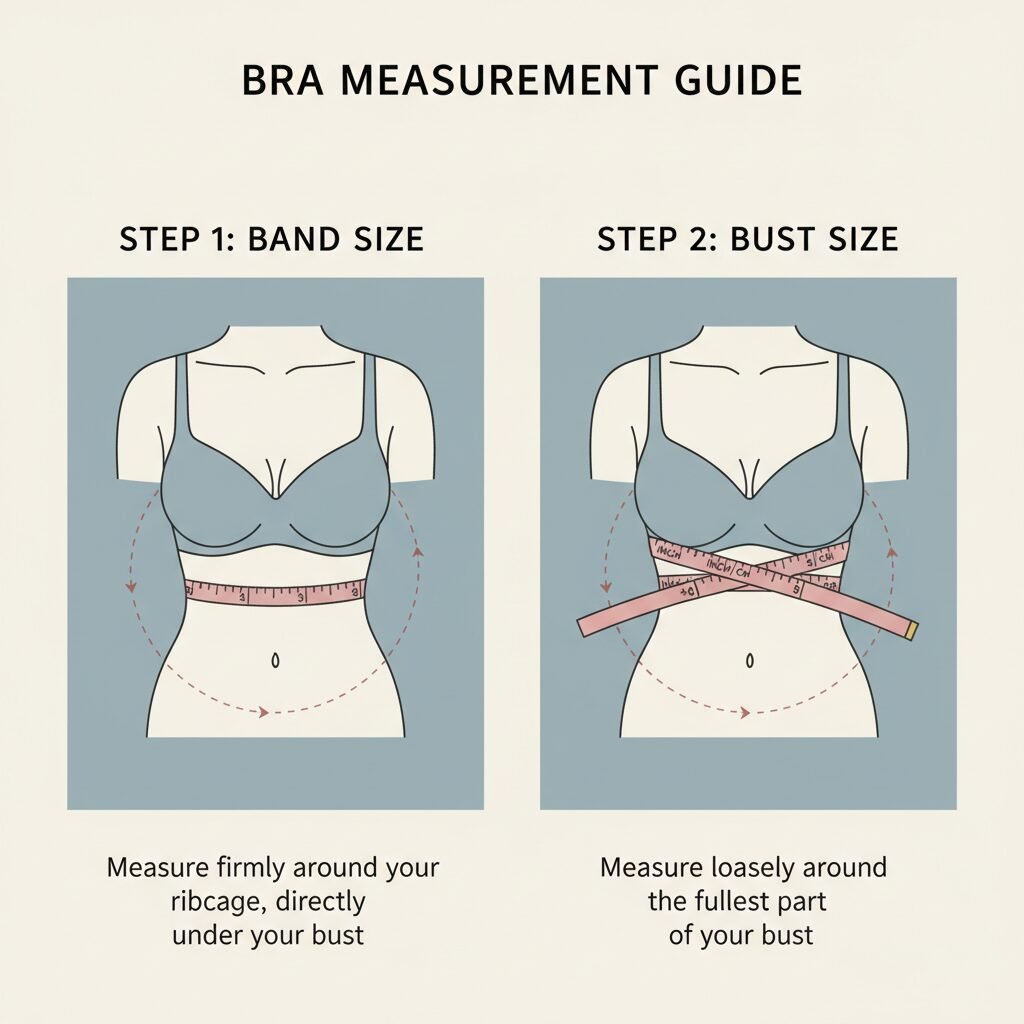
Bra sizing can feel like a mystery, and it’s even more complex during pregnancy and postpartum when your body is in constant flux. An incorrect size is the primary reason for discomfort and lack of support. Taking a few minutes to measure yourself accurately at home can make all the difference.
When to Measure
The ideal time to buy nursing bras is in your late third trimester, around 36-38 weeks. At this point, your rib cage has expanded to its likely maximum, and your breasts are close to the size they will be when your milk first comes in. It’s also wise to re-measure around 6-8 weeks postpartum, as your body may have regulated its milk supply and your rib cage may have started to settle.
How to Measure Yourself
You’ll need a soft, flexible measuring tape. It’s best to do this while wearing a non-padded, supportive bra to ensure your breasts are lifted into a natural position.
- Measure Your Band Size: Wrap the measuring tape snugly around your rib cage, directly underneath your bust. The tape should be parallel to the floor and firm, but not digging in. Read the measurement in inches. If it’s an odd number, round up to the next even number. This is your band size (e.g., 37 inches rounds up to 38).
- Measure Your Bust Size: Wrap the tape measure around the fullest part of your bust, usually at nipple level. Keep the tape parallel to the floor and ensure it’s not too tight—it should just skim your body without compressing your breast tissue.
- Calculate Your Cup Size: Subtract your band measurement from your bust measurement. The difference in inches corresponds to your cup size. Every inch of difference is one cup size.
| Difference (Inches) | US Cup Size |
|---|---|
| 1″ | A |
| 2″ | B |
| 3″ | C |
| 4″ | D |
| 5″ | DD or E |
| 6″ | DDD or F |
| 7″ | G |
| 8″ | H |
| 9″ | I |
| 10″ | J |
Example: If your band measurement is 38 inches and your bust measurement is 45 inches, the difference is 7 inches. Your starting size would be a 38G.
Remember, sizing varies between brands. Use this measurement as your starting point, and always check the brand’s specific size chart.
The Ultimate Roundup: 7 Nursing Bras That Conquer the Uniboob
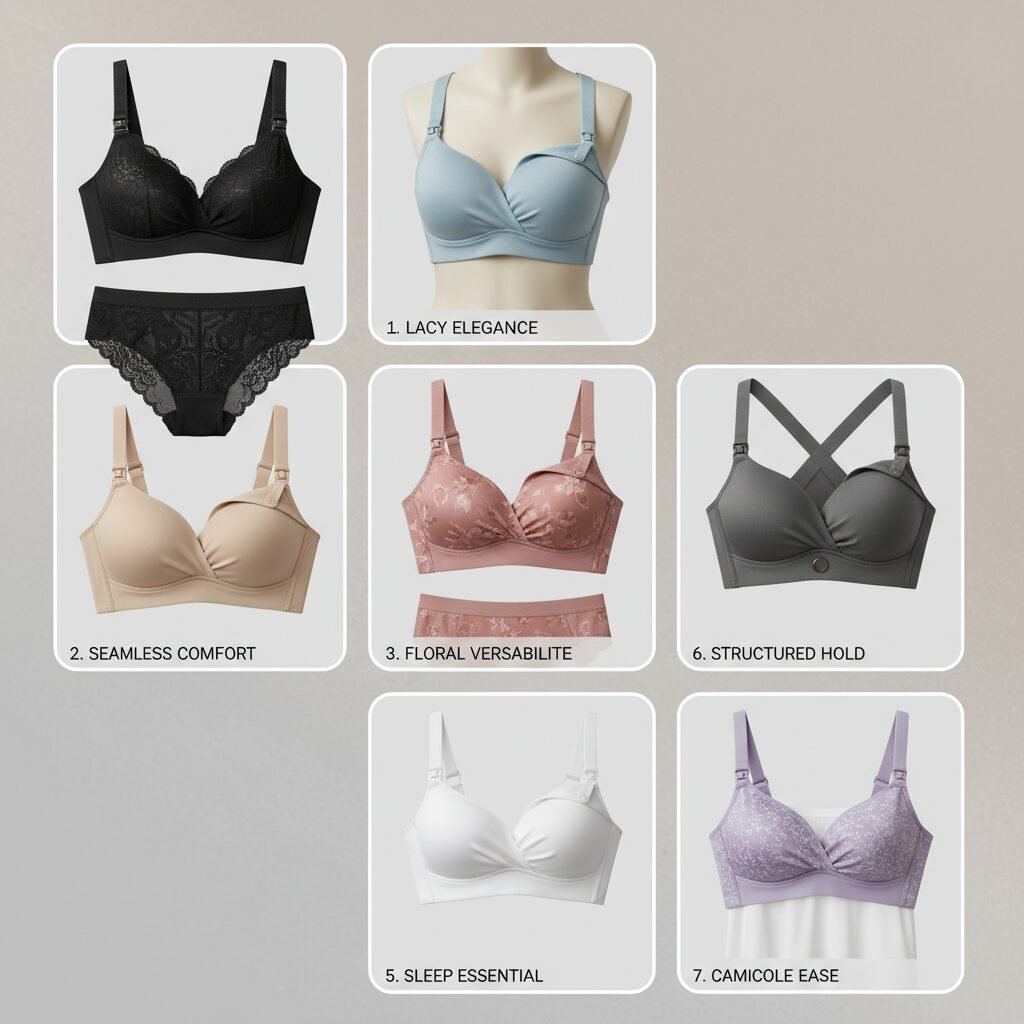
After extensive research and feedback from the full-busted community, we’ve identified seven standout nursing bras that deliver on their promises of support, comfort, and style for DDD+ cups.
1. Elomi Molly Underwire Nursing Bra
Elomi is a powerhouse brand for full-figure lingerie, and their Molly nursing bra is a testament to their expertise. It features an underwire with a unique flexi-wire design that is safe for breastfeeding and provides phenomenal lift and separation.
- Pros: Exceptional lift and forward projection, multi-part cup for amazing shape, side support panels, moisture-wicking fabric.
- Cons: Underwire may not be comfortable for all during the early postpartum days, lace can be visible under some t-shirts.
2. Cake Maternity Croissant Smoothing Flexi Wire Nursing Bra
Cake Maternity specializes in stylish and functional maternity and nursing wear. The Croissant is a t-shirt bra dream, offering a smooth, seamless look without sacrificing support thanks to its flexible wire and molded cups.
- Pros: Smooth, seamless cups are invisible under clothing, provides a great rounded shape, comfortable flexi-wire, easy-to-use clips.
- Cons: Molded cups can be less forgiving for fluctuating breast sizes compared to seamed cups.
3. Panache Eleanor Underwire Nursing Bra
Panache is another UK brand renowned for its D+ cup engineering. The Eleanor is a fantastic option that uses a non-padded, seamed cup to provide a natural shape and incredible support through its clever construction.
- Pros: Incredible support from the seamed construction, offers a natural, minimized shape, cotton-lined for breathability.
- Cons: The seam design may be visible under very thin tops.
4. Kindred Bravely Sublime® Busty Hands-Free Pumping & Nursing Bra
A true game-changer for pumping parents. Kindred Bravely’s ‘Busty’ sizing is specifically designed for those with a smaller band and larger cup. This bra combines the comfort of a wireless style with the functionality of a hands-free pumping bra.
- Pros: All-in-one pumping and nursing functionality, super soft and comfortable fabric, wireless support is surprisingly effective, inclusive sizing.
- Cons: Less separation than an underwire bra, can feel bulky with both layers.
5. Hotmilk Lingerie Ambition Triangle Nursing Bra
For those who don’t want to give up style, Hotmilk delivers. The Ambition bra is a wire-free bralette style that actually works for larger cups. It uses a hidden internal sling and strong fabrics to provide support and shape.
- Pros: Beautiful and stylish design, surprisingly supportive for a wire-free bralette, comfortable for sleep and lounging.
- Cons: Offers light to moderate support, not ideal for high-impact activities.
6. Bravado Designs Body Silk Seamless Rhythm Nursing Bra (Full Cup)
Bravado is a classic for a reason. Their Body Silk Seamless is beloved for its comfort, and the ‘Full Cup’ version is specifically designed with more depth and a tighter knit to support G-J cups.
- Pros: Luxuriously soft and stretchy fabric, seamless design is comfortable and invisible, accommodates size fluctuations well.
- Cons: Can give a more rounded, less separated shape (slight uniboob potential, but far less than standard versions).
7. Sugar Candy Fuller Bust Seamless Nursing Bra
Engineered by the same team behind Cake Maternity, Sugar Candy is exclusively for fuller busts. This wire-free bra uses advanced construction with heat-molded cups and built-in support panels to lift and shape without any wires.
- Pros: Excellent wire-free support and lift, very comfortable seamless design, great for sensitive breasts.
- Cons: Sizing can be tricky (XS-XXL), so consulting the size chart is essential.
At a Glance: Comparing Our Top Picks
Choosing the right bra depends on your specific needs—whether you prioritize a seamless look, underwire support, or pumping functionality. This table breaks down the key features of our top 7 picks to help you make the best choice for your body and lifestyle.
| Bra Model | Style | Cup Range | Band Range | Key Feature | Price Point |
|---|---|---|---|---|---|
| Elomi Molly | Underwire (Flexi) | E – KK (UK) | 32 – 44 | Maximum Lift & Separation | $$$ |
| Cake Maternity Croissant | Underwire (Flexi) | C – H | 32 – 42 | Seamless T-Shirt Bra | $$$ |
| Panache Eleanor | Underwire | D – J (UK) | 30 – 40 | Natural Shape & Support | $$$ |
| Kindred Bravely Sublime Busty | Wire-Free | DD – I | 30 – 44 | Pumping & Nursing Combo | $$ |
| Hotmilk Lingerie Ambition | Wire-Free Bralette | C – H | 32 – 42 | Stylish & Comfortable | $$ |
| Bravado Body Silk (Full Cup) | Wire-Free Seamless | G – J | 32 – 46 | Ultimate Seamless Comfort | $$ |
| Sugar Candy Fuller Bust | Wire-Free Seamless | DD – HH (UK) | 28 – 40 | Engineered Wire-Free Lift | $$$ |
Protect Your Support System: How to Care for Your Nursing Bras
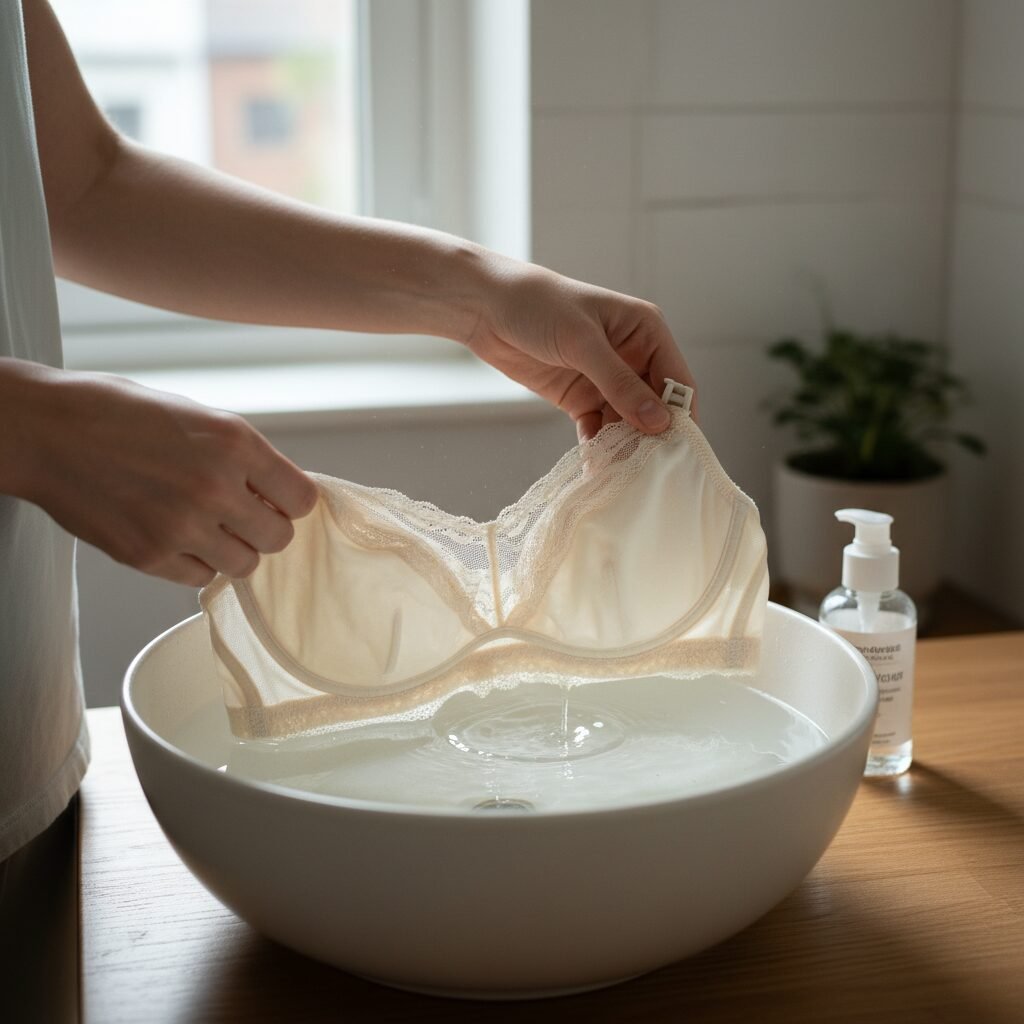
A high-quality nursing bra is an investment in your comfort and well-being. To ensure it lasts through your breastfeeding journey and beyond, proper care is essential. Harsh washing machine cycles and high-heat dryers are the enemies of elasticity and delicate components like underwires and clips.
Best Practices for Bra Longevity
- Wash by Hand When Possible: The gentlest method is to hand wash your bras in cool water with a mild, alcohol-free detergent. Let them soak for about 20 minutes, gently swish them around, and rinse thoroughly.
- Use a Lingerie Bag: If you must use a washing machine, always fasten the hooks and place the bra in a mesh lingerie bag. This prevents snagging on other items and protects the underwire from getting bent. Use the delicate cycle with cold water.
- Never Use a Dryer: The high heat of a machine dryer will destroy the elastane (the stretchy fiber) in your bra band, causing it to lose its supportive properties prematurely. It can also warp underwires.
- Reshape and Air Dry: After washing, gently squeeze out excess water (never wring or twist!). Reshape the cups with your hands and lay the bra flat on a towel or hang it from the center gore (the part between the cups) to dry. Avoid hanging by the straps, as the weight of the wet bra can stretch them out.
- Rotate Your Bras: Avoid wearing the same bra two days in a row. Giving your bra a day of rest allows the elastic to recover and return to its original shape, extending its lifespan significantly.
Conclusion
Your postpartum body is performing an incredible feat, and it deserves to be supported in every sense of the word. Finding a nursing bra that fits well and feels good is not a vanity project; it is a fundamental piece of self-care during a demanding and beautiful season of life. The frustration of dealing with straps that slip, bands that ride up, and the dreaded uniboob is valid, but it doesn’t have to be your reality.
By understanding what to look for—a firm band, encapsulating cups, and supportive straps—and by taking the time to measure yourself correctly, you empower yourself to make an informed choice. The bras on this list represent the best in the industry for DDD+ cups, proving that you don’t have to choose between function, comfort, and feeling like yourself. Whether you need the rigid support of an underwire or the gentle comfort of a seamless style, there is a solution out there for you.
Invest in yourself and your comfort. You are nurturing a new life, and it is essential that you feel nurtured, too. You deserve to feel confident, secure, and comfortable every step of the way.