
Are You Drinking Enough? 5 Scary Signs Of Dehydration Every Pregnant Mom Misses
Between the endless advice, the unsolicited belly touches, and the monumental task of growing a human, it’s easy to let something as simple as drinking water fall to the bottom of your to-do list. You’re focused on nutrition, prenatal appointments, and preparing for your baby’s arrival. But what if one of the most critical components of a healthy pregnancy is also one of the most overlooked? Hydration isn’t just about quenching thirst; it’s a biological necessity that becomes exponentially more important when you’re pregnant.
Your body is working overtime, increasing its blood volume by nearly 50%, manufacturing amniotic fluid, and delivering essential nutrients to the placenta. This incredible process demands a significant increase in fluid intake. When that demand isn’t met, dehydration can set in quietly, its symptoms masquerading as ‘normal’ pregnancy discomforts. This is where the danger lies. Missing the subtle cues can lead to preventable but serious complications for both you and your baby. In this guide, we will move beyond the obvious ‘feeling thirsty’ and uncover the five subtle yet scary signs of dehydration that many pregnant moms miss, empowering you with the knowledge to protect your health and nurture your pregnancy with confidence.
Why Your Body’s Demand for Water Skyrockets During Pregnancy
Why Your Body’s Demand for Water Skyrockets During Pregnancy
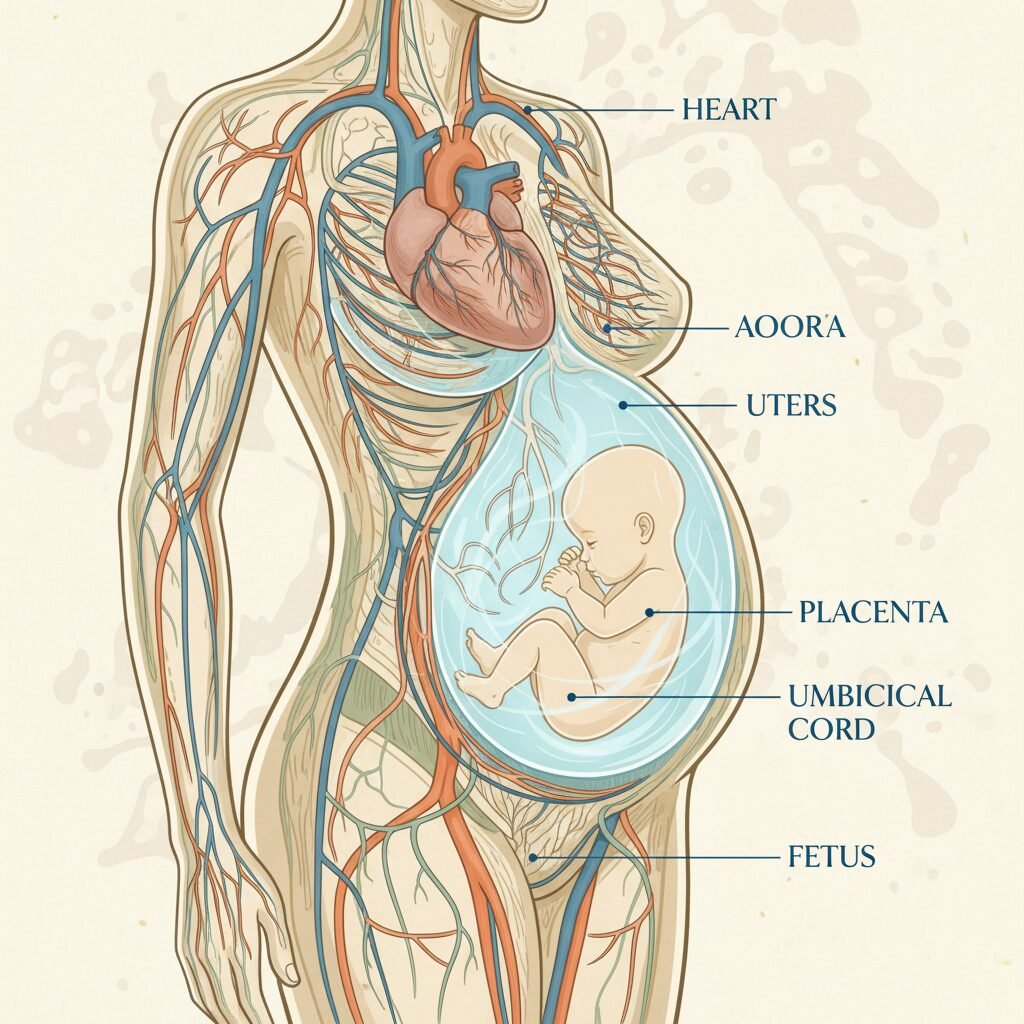
Understanding the ‘why’ behind the urgent need for hydration can be a powerful motivator. During pregnancy, your body is not just your own; it’s a life-support system for your developing baby. Water is the primary medium through which this incredible system operates. Let’s break down the critical roles fluid plays:
- Building a Home for Your Baby: Amniotic fluid, the protective liquid cushion surrounding your baby in the womb, is composed primarily of water. Adequate hydration is essential for producing and maintaining healthy levels of this fluid, which is vital for fetal development, movement, and safety.
- Expanding Your Life Force: To support your baby, your blood volume increases by a staggering 40-50%. Water is the main component of blood plasma. Without enough of it, your body cannot efficiently produce the extra blood needed to transport oxygen and vital nutrients to the placenta and your baby.
- The Ultimate Delivery Service: Think of water as the highway system for nutrients. It dissolves vitamins, minerals, and other nutrients from the food you eat, carrying them through your bloodstream and across the placenta to nourish your growing baby.
- Waste Management for Two: Proper hydration helps your kidneys function efficiently, flushing out waste products and toxins from both your body and your baby’s. This process helps prevent urinary tract infections (UTIs), which are more common and potentially more dangerous during pregnancy.
- Keeping Your Cool: Pregnancy can make you feel like a human furnace due to a higher metabolic rate and hormonal changes. Water is your body’s natural coolant, regulating your internal temperature through perspiration and preventing you from overheating, which can be dangerous for the fetus, especially in the first trimester.
Given these monumental tasks, it’s clear why the standard ‘eight glasses a day’ might not be enough. The American College of Obstetricians and Gynecologists (ACOG) recommends that pregnant women drink 8 to 12 cups (64 to 96 ounces) of water every day. Your specific needs may be even higher depending on your activity level, climate, and individual health factors.
The 5 Subtle Signs of Dehydration You Might Be Missing

The 5 Subtle Signs of Dehydration You Might Be Missing
The most common advice is to ‘drink when you’re thirsty.’ However, during pregnancy, thirst can be an unreliable indicator. By the time you feel thirsty, you may already be mildly dehydrated. Here are the less-obvious signs to watch for.
Sign #1: Unexplained Fatigue or ‘Pregnancy Brain’
Feeling exhausted is a hallmark of pregnancy, but dehydration can amplify it tenfold. Even a slight drop in hydration levels can cause blood volume to decrease, forcing your heart to work harder to pump oxygen and nutrients throughout your body and to the baby. The result? A profound sense of fatigue that a nap can’t fix. Similarly, that frustrating ‘pregnancy brain’ or brain fog can be a direct result of dehydration. Your brain requires optimal hydration to function; without it, focus, memory, and cognitive clarity suffer.
If you’re feeling unusually sluggish or mentally foggy, try drinking a large glass of water and waiting 20 minutes before reaching for a snack or caffeine. You might be surprised by the difference it makes.
Sign #2: Frequent or Intense Braxton Hicks Contractions
Braxton Hicks contractions, or ‘practice contractions,’ are a normal part of the second and third trimesters. However, their frequency and intensity can be a direct signal from your body. Dehydration can cause uterine muscle cells to become irritable and contract. For many women, an increase in Braxton Hicks is one of the first physical signs that they need more fluids. If you notice them becoming more frequent or uncomfortable, find a comfortable place to rest on your left side and drink two to three glasses of water. Often, this simple act is enough to calm your uterus down.
Sign #3: Dark, Infrequent Urination (The Obvious Sign We Still Ignore)
This may seem obvious, but in the blur of a busy day, it’s easy to lose track. Pay close attention to the color of your urine. Ideally, it should be a pale, straw-like yellow. If it’s dark yellow or has a strong odor, it’s a definitive sign that your body is conserving water and you need to drink more. Infrequent urination is another red flag. You should be visiting the restroom regularly. Concentrated urine doesn’t just signal dehydration; it also increases your risk for painful UTIs because bacteria are not being flushed out effectively.
Sign #4: Persistent Headaches and Dizziness
Before you chalk up another headache to hormones, consider your water intake. When you’re dehydrated, your blood volume can temporarily shrink, which can reduce blood flow to the brain, triggering a headache. Dizziness or feeling lightheaded, especially when you stand up too quickly, is also a classic symptom. This is because the reduced blood volume can cause a temporary drop in blood pressure. These symptoms are your body’s way of sending an urgent message that it needs more fluid to maintain stable circulation.
Sign #5: Dry, Itchy Skin and Chapped Lips
Your skin is your body’s largest organ, and it’s often one of the first places to show the effects of inadequate fluid intake. If your skin feels tighter, drier, or itchier than usual (beyond the normal stretching of your belly), it could be a cry for hydration from the inside out. Similarly, chapped lips are a tell-tale sign. While lotions and lip balms can provide temporary relief, the real solution is to rehydrate your body from within. Healthy, supple skin during pregnancy starts with what you drink.
The Serious Risks: What Happens When Dehydration Becomes Severe?
The Serious Risks: What Happens When Dehydration Becomes Severe?
While missing the subtle signs can lead to discomfort, chronic or severe dehydration poses significant, fact-based risks to your pregnancy. This isn’t meant to cause fear, but to underscore the critical importance of staying hydrated. When dehydration progresses, it can contribute to a cascade of medical complications:
- Preterm Labor: This is one of the most serious risks. As mentioned, dehydration can cause uterine contractions. If these contractions become regular and strong enough to cause cervical changes, it can lead to preterm labor and birth, which carries significant health risks for the baby.
- Low Amniotic Fluid (Oligohydramnios): Since amniotic fluid is primarily water, chronic dehydration can lead to dangerously low levels. This condition can cause complications including compression of the umbilical cord, restricted fetal growth, and an increased risk of complications during labor and delivery.
- Kidney and Urinary Tract Issues: Severe dehydration forces your kidneys to work overtime in a concentrated environment, which can increase the risk of kidney stones and severe UTIs or kidney infections. These infections can be dangerous during pregnancy and may even trigger preterm labor if left untreated.
- Neural Tube Defects: Some research suggests a link between severe maternal dehydration, particularly in the first trimester, and an increased risk of neural tube defects in the developing fetus. Proper hydration is a key component of the healthy cellular environment needed for crucial early development.
Recognizing the gravity of these potential outcomes empowers you to prioritize hydration not as a chore, but as a fundamental act of protection for you and your baby. Listening to your body’s early warnings is key to preventing these more severe scenarios.
Your Proactive Pregnancy Hydration Plan
Your Proactive Pregnancy Hydration Plan
Knowing you need to drink more is one thing; actually doing it is another. The key is to make hydration easy, accessible, and consistent. Here is a practical, actionable plan to help you stay on track:
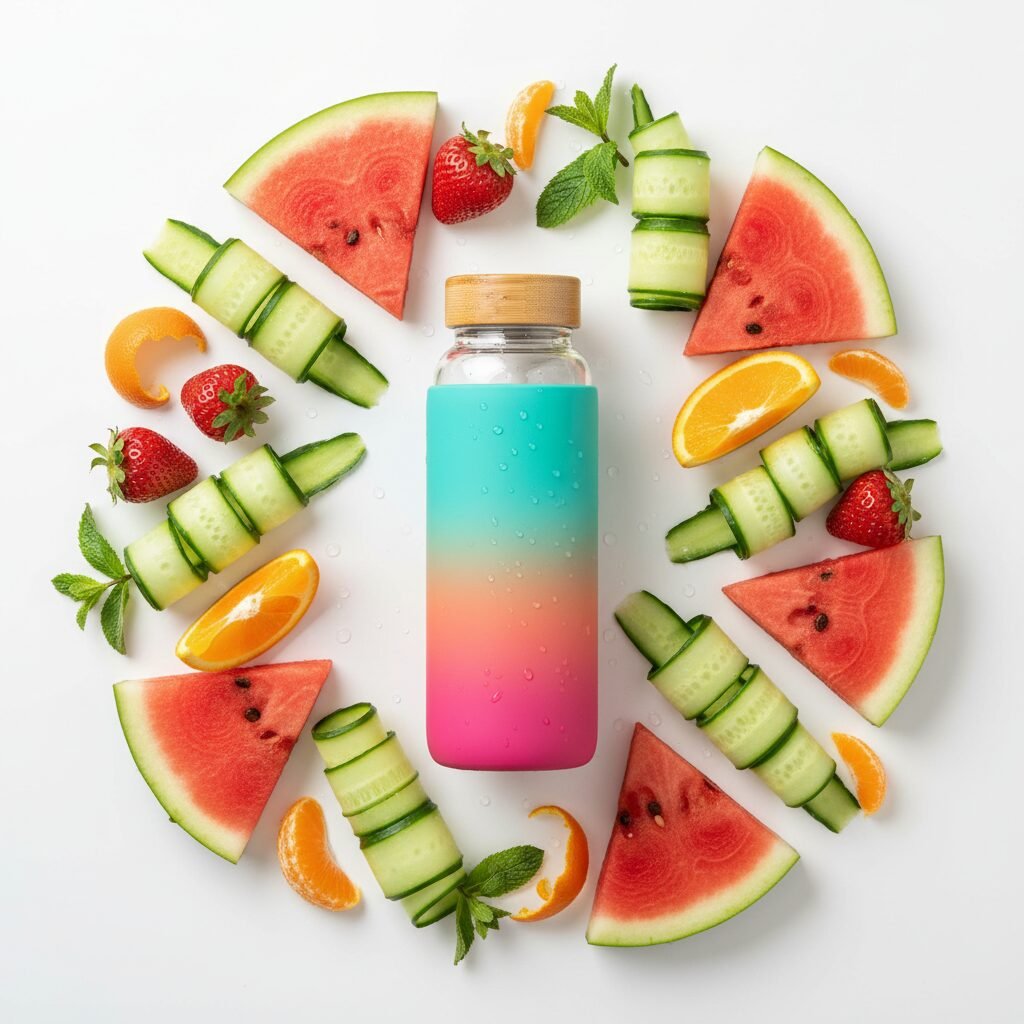
- Invest in a Large Water Bottle: Purchase a reusable water bottle that holds at least 32 ounces (1 liter). Seeing a tangible goal—like finishing two or three of these per day—is much more effective than trying to count individual glasses. Look for one with time markers for extra motivation.
- Start Your Day with Water: Before you have coffee, tea, or breakfast, drink a full 16-ounce glass of water. You naturally dehydrate overnight, so this helps you start the day with a positive fluid balance.
- Set Digital Reminders: Use your phone, smartwatch, or a free app to set reminders every hour. A simple notification can be the nudge you need to take a few sips when you’re distracted or busy.
- Make Water More Appealing: If you find plain water boring, infuse it! Add slices of lemon, lime, cucumber, mint, berries, or even a splash of 100% fruit juice. This adds flavor without adding significant sugar.
- Eat Your Water: Don’t forget that many foods have high water content and contribute to your overall hydration. Incorporate more of these into your diet, especially for snacks.
To help you ‘eat your water,’ here is a list of hydrating foods:
| Food Item | Approximate Water Content | Serving Idea |
|---|---|---|
| Cucumber | 96% | Sliced in salads or infused in water |
| Celery | 95% | With hummus or peanut butter |
| Watermelon | 92% | Cubed as a refreshing snack |
| Strawberries | 91% | In yogurt, oatmeal, or on their own |
| Cantaloupe | 90% | A perfect hydrating breakfast side |
| Plain Yogurt | 88% | As a base for a smoothie or with fruit |
| Peaches | 89% | A sweet and juicy dessert |
| Oranges | 87% | A classic source of Vitamin C and fluids |
When to Stop Guessing and Call Your Doctor or Midwife

When to Stop Guessing and Call Your Doctor or Midwife
While proactive hydration can prevent and resolve mild dehydration, there are certain symptoms that require immediate medical attention. Do not hesitate to contact your healthcare provider if you experience any of the following, as they may indicate a more severe level of dehydration that requires intervention, such as intravenous (IV) fluids:
- Inability to Keep Fluids Down: If you are suffering from severe morning sickness (hyperemesis gravidarum) and are vomiting repeatedly, preventing you from keeping any liquids down for several hours.
- No Urination for 8+ Hours: A significant decrease or complete stop in urination is a serious red flag.
- Severe Dizziness, Fainting, or Confusion: Feeling extremely lightheaded, actually fainting, or feeling disoriented and confused are signs that your brain is not getting enough blood flow.
- Rapid Heartbeat or Breathing: If your heart is racing or you feel short of breath while at rest, it can be a sign of significant dehydration.
- Contractions That Become Regular and Stronger: If you’ve tried resting and hydrating but your contractions continue and begin to form a regular pattern (e.g., every 5-10 minutes), it’s crucial to be evaluated for preterm labor.
- Extreme Thirst and a Very Dry Mouth/Nose: A feeling of overwhelming thirst accompanied by sticky or completely dry mucous membranes indicates a significant fluid deficit.
Trust your instincts. You know your body best. It is always better to call and be reassured than to wait and risk a serious complication. Your medical team is there to support you and would much rather you err on the side of caution.
Conclusion
Navigating the journey of pregnancy is a beautiful, complex dance of listening to your body and providing it with what it needs to perform the miracle of creating life. Hydration is not a minor detail in this process; it is a foundational pillar of your health and your baby’s development. By learning to recognize the subtle whispers of dehydration—the fatigue, the pesky headaches, the increase in Braxton Hicks—you transform them from confusing discomforts into actionable signals. You empower yourself to respond proactively, ensuring your body remains the optimal, life-sustaining environment for your little one to thrive.
Remember to be gentle with yourself. Create a hydration plan that feels nurturing, not punishing. Carry your water bottle as a symbol of your commitment, and celebrate every sip as an act of love. By staying vigilant and responsive, you are doing more than just drinking water; you are actively participating in the health and safety of your pregnancy, one glass at a time.
Medical Disclaimer: The information provided in this article is for educational and informational purposes only and is not intended as medical advice. It is not a substitute for professional medical advice, diagnosis, or treatment. Always seek the advice of your physician, midwife, or other qualified health provider with any questions you may have regarding a medical condition or your pregnancy. Never disregard professional medical advice or delay in seeking it because of something you have read in this article.