
The Coffee Bean Pushing Hack: How to Push Without Tearing
The moment of birth is one of the most powerful and transformative experiences in a person’s life. Yet, for many expectant parents, the anticipation of this moment is clouded by a significant fear: tearing. The thought of a perineal tear during delivery is a common source of anxiety, and it’s a concern we hear from clients time and time again. This fear is valid, and your feelings about it deserve to be acknowledged and addressed with compassion and real, practical information.
For generations, the depiction of childbirth in media has often involved intense, strained pushing, with a chorus of voices shouting, “Push! Harder!” This method, often called ‘purple pushing,’ can feel counterintuitive and exhausting. But what if there was a more instinctive, gentle, and effective way to work with your body? There is. It’s a visualization technique that I and many other birth professionals call the “Coffee Bean Pushing Hack.”
This isn’t a magic trick, but rather a profound shift in mindset. It’s a tool to help you understand the mechanics of your own body, to connect with your pelvic floor, and to push in a way that promotes opening and release rather than force and strain. In this comprehensive guide, we will explore the physiology behind tearing, deconstruct outdated pushing methods, and provide you with a step-by-step guide to mastering this gentle technique. Our goal is to replace fear with knowledge, anxiety with confidence, and to empower you and your partner on your journey to meeting your baby.
Understanding Perineal Tearing: What It Is and Why It Happens
What is the Perineum?
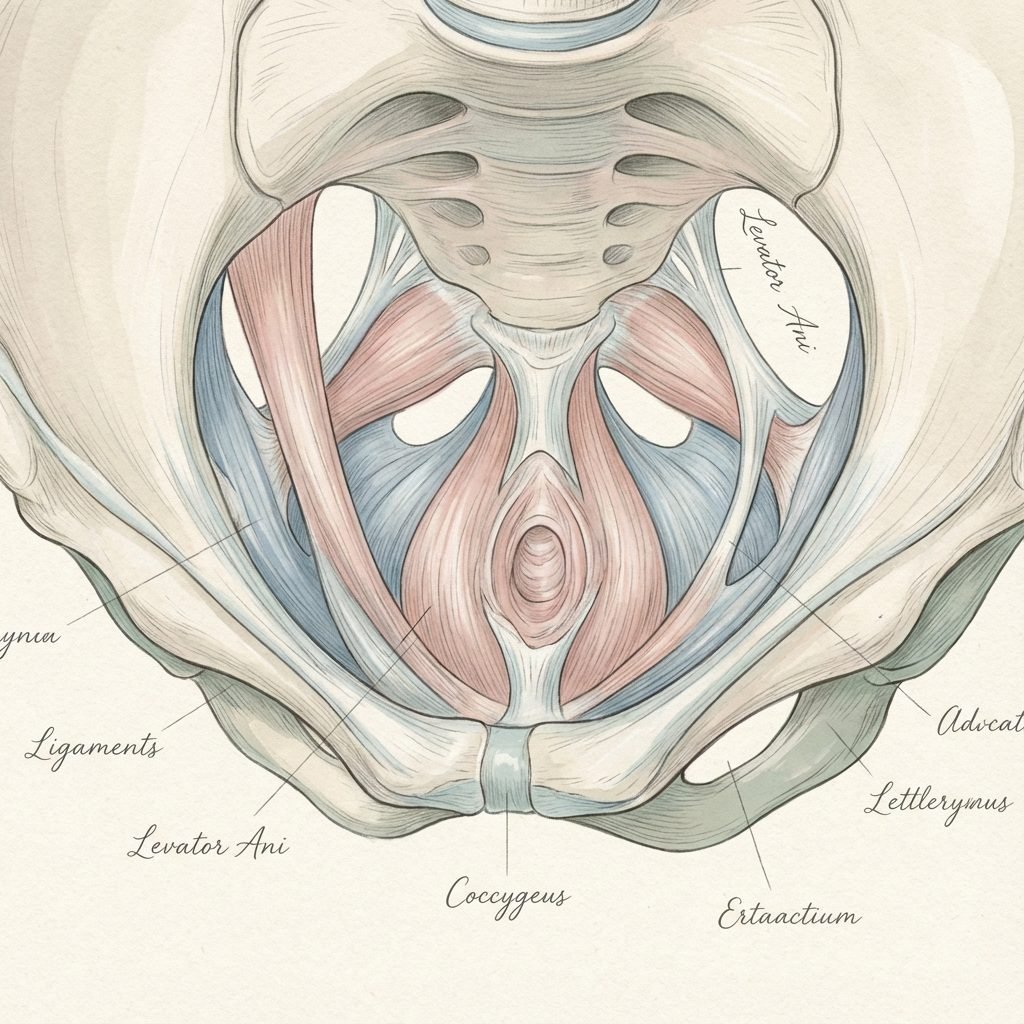
Before we can understand tearing, we must first understand the perineum. The perineum is the area of skin and muscle between the vaginal opening and the anus. During childbirth, this area stretches significantly to allow the baby’s head and body to be born. It’s designed to be elastic, but sometimes, the stretching happens too quickly or the pressure is too great, which can result in a tear.
The Different Degrees of Tears
Perineal tears are incredibly common, especially for first-time parents, and they are classified by their severity. It’s important to know that most tears are minor and heal well with proper care.
- First-Degree Tear: A small tear that only involves the skin of the perineum. It may require a few stitches or none at all and typically heals quickly.
- Second-Degree Tear: The most common type. This tear goes through the skin and into the muscle of the perineum. It requires stitches and usually heals within a few weeks.
- Third-Degree Tear: A more extensive tear that involves the skin, perineal muscle, and the muscle that surrounds the anus (the anal sphincter).
- Fourth-Degree Tear: The most severe and least common type, this tear extends through the anal sphincter and into the mucous membrane that lines the rectum.
While the thought of a third or fourth-degree tear can be frightening, they are rare. The vast majority of birthing people experience only first or second-degree tears, or no tearing at all.
Factors That Can Influence Tearing
Several factors can contribute to the likelihood of tearing. Understanding them is the first step in proactive prevention.
- Speed of Delivery: A very fast delivery, especially the final moments of pushing, doesn’t give the perineal tissues enough time to stretch gradually.
- Baby’s Position: A baby in the occiput posterior (OP or “sunny-side up”) position can present a wider head diameter, increasing pressure.
- First Vaginal Birth: The tissues are stretching for the first time, making them more susceptible to tearing.
- Use of Forceps or Vacuum: An assisted delivery can increase the risk of more significant tears.
- Pushing Position: Lying flat on your back (lithotomy position) can put more pressure on the perineum and make it harder for the pelvis to open.
Knowledge is power. By understanding these factors, you and your birth team can make informed decisions to create an environment that encourages gentle, gradual stretching and reduces unnecessary strain.
The Problem with ‘Purple Pushing’: Why Holding Your Breath Isn’t the Answer

Imagine the scene from a movie: a woman is on her back, legs in the air, her face red and contorted. A coach, partner, or doctor is counting loudly, “One, two, three… ten! PUSH!” This is what’s known as Valsalva pushing, or “purple pushing,” because of the color a person’s face can turn from the strain. It involves taking a deep breath, holding it, and bearing down with all your might for a count of ten, repeated several times with each contraction.
For many years, this was the standard coached method of pushing. However, evidence and a deeper understanding of physiology have shown us that this technique can be problematic for both the birthing parent and the baby.
The Physiological Downside of Forceful Pushing
When you hold your breath and bear down with immense force, you create a spike in internal pressure. This has several negative effects:
- Reduced Oxygen Flow: Holding your breath decreases the amount of oxygen available to you and, consequently, to your baby. This can sometimes lead to dips in the baby’s heart rate.
- Pelvic Floor Damage: Purple pushing puts tremendous, explosive pressure on the pelvic floor muscles. Instead of encouraging them to relax and open, it forces them to bulge and strain against the baby’s head, which can increase the risk of more severe tearing and long-term pelvic floor dysfunction.
- Exhaustion: This method is incredibly tiring. It expends a massive amount of energy, which can leave the birthing person feeling depleted long before the baby is born.
- Disconnect from Instinct: Coached, counted pushing often overrides the body’s natural, spontaneous urges to push (the fetal ejection reflex). Your body knows what to do, and these urges often come in shorter, more manageable bursts, not sustained ten-second holds.
“Your body was designed to give birth. The challenge is to get your head out of the way and trust the process. Forceful pushing is a function of the head; instinctive pushing is a function of the body.”
The alternative is not to avoid pushing, but to redefine what it means. It’s about working with your body’s contractions and urges, not overpowering them. This is where the Coffee Bean Hack becomes such a transformative tool.
Introducing the ‘Coffee Bean Hack’: A Gentle Pushing Visualization

The “Coffee Bean Hack” is less of a ‘hack’ and more of a profound re-framing of the pushing process. It’s a simple visualization that helps you tap into your body’s innate wisdom. It moves the focus away from the idea of forcefully expelling the baby and towards the concept of gently opening to let the baby out.
The Visualization Explained
Here is the core concept: Imagine a small, smooth coffee bean resting right on your perineum—that spot between your vagina and anus.
Now, when a contraction builds and you feel the urge to push, your goal is not to bear down with explosive force from your abdomen. Instead, your goal is to simply release the coffee bean.
What would you do to release a coffee bean from that spot? You wouldn’t clench your jaw, hold your breath, and strain until your face turns purple. That would tense up the exact muscles you need to relax. Instead, you would:
- Take a breath in.
- As you exhale, you would feel a gentle, downward pressure, like you’re having a bowel movement.
- You would focus on the sensation of your pelvic floor muscles softening, opening, and widening.
- You would release, not force.
This visualization instantly changes the muscular action. It cues your body to relax the pelvic floor, open the birth canal, and use your breath to effectively and gently ease the baby down and out. This is often called “breathing the baby down” or spontaneous pushing.
Connecting to Your Body’s Natural Reflexes
This technique works because it aligns with your body’s natural processes. The muscles of the uterus contract to move the baby down, a process you cannot consciously control. Your job is not to add overwhelming force, but to get out of the way. By focusing on opening and releasing, you are removing the resistance (a tight pelvic floor) that the uterus has to work against. This makes each push more effective and less traumatic for your tissues, giving them the time they need to stretch and accommodate your baby.
Step-by-Step Guide: How to Practice the Coffee Bean Technique Before Labor

Like any new skill, practicing this mind-body connection before labor begins can help create muscle memory, making it easier to access during the intensity of childbirth. You can start practicing this technique in your third trimester.
- Find Your Position: The best place to practice is sitting on the toilet. This position naturally helps relax the pelvic floor and is a familiar sensation for releasing. Sit comfortably with your feet flat on the floor or on a small stool.
- Connect with Your Breath: Close your eyes and take a few deep, diaphragmatic breaths. Inhale through your nose, allowing your belly to expand. Exhale slowly through your mouth, making a low, humming, or “ahhh” sound. Sound helps to relax the jaw, which is directly connected to the pelvic floor. A tense jaw often means a tense pelvis.
- Introduce the Visualization: As you continue your slow, deep breathing, bring the image of the coffee bean to your mind. Picture it resting on your perineum.
- Practice the Gentle Push: On your next exhale, as you make your low sound, gently bear down as if you are trying to release the coffee bean. Do not hold your breath. This is not a strain. It is a gentle, downward pressure that you can feel low in your body. Notice the sensation of your pelvic floor muscles bulging slightly and opening.
- Feel the Difference: Hold the gentle pressure for a few seconds, then relax completely. Now, for comparison, try clenching and holding your breath for a moment (don’t overdo it). Feel the tension and tightness. Contrast that with the feeling of the gentle, breath-led release. This is the difference you are aiming for in labor.
- Repeat and Integrate: Practice this for just a few minutes each day. The goal is not to become a perfect pusher, but to become familiar with the sensation of actively and consciously relaxing and opening your pelvic floor on command.
Share this technique with your partner or doula. They can be an invaluable part of your team, reminding you of the “coffee bean” visual and using gentle vocal cues during labor to help you stay connected to your body.
Beyond the Hack: Complementary Strategies to Minimize Tearing
The Coffee Bean Hack is a powerful tool, but it’s one piece of a larger puzzle. Creating the optimal conditions for a gentle birth involves a holistic approach. Here are other evidence-based strategies to incorporate into your birth plan and discuss with your provider.
Perineal Massage
Starting around 34-35 weeks of pregnancy, daily perineal massage can help increase the elasticity of the perineal tissues. Using a lubricant like coconut oil or almond oil, you can gently stretch the area for a few minutes each day to prepare it for the stretching it will do during birth.
Labor and Pushing Positions
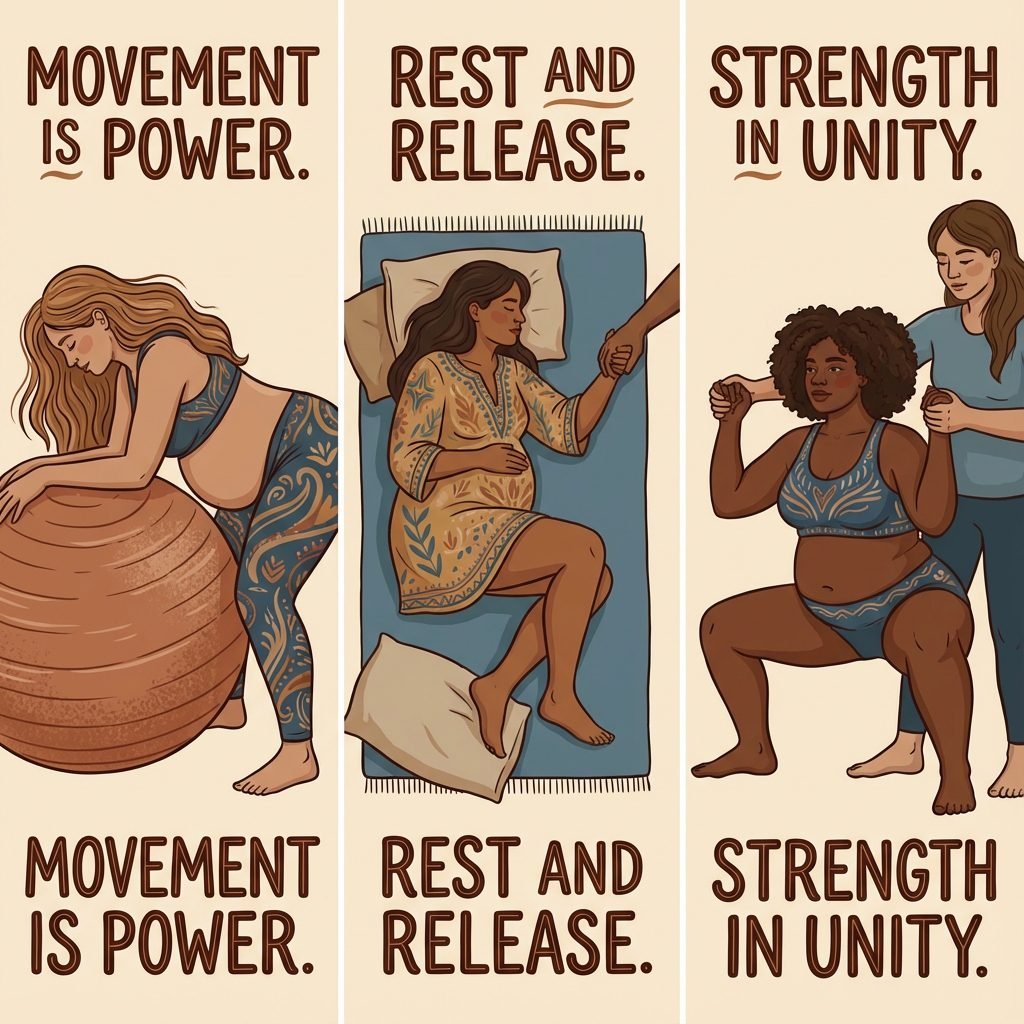
Movement and position changes are your best friends in labor. Avoid lying flat on your back if possible. Instead, consider positions that open the pelvis and work with gravity:
- Hands and Knees: This position takes pressure off the perineum and can help rotate a posterior baby.
- Side-Lying: An excellent position for resting, it also slows down a rapid delivery, allowing for a more controlled and gentle birth of the baby’s head.
- Squatting: Supported squatting (using a bar, partner, or birth stool) opens the pelvic outlet to its maximum diameter.
- Leaning Forward: Kneeling and leaning over a birth ball or the back of the hospital bed utilizes gravity and helps open the pelvis.
Warm Compresses
Ask your provider or nurse about applying warm, wet compresses to your perineum during the pushing stage. Studies have shown that this continuous warmth and counter-pressure can help soften the tissues, increase blood flow, and significantly reduce the risk of severe tears.
Listen to Your Body and Your Team
Ultimately, the most important strategy is to listen to your body’s urges. When you feel the overwhelming need to push, work with it. When the sensation subsides between contractions, rest and breathe. Your provider or doula can also guide you, especially as the baby’s head is crowning. They may ask you to do small, gentle pushes or to “breathe” or “pant” the baby out to facilitate a slow, controlled delivery and protect your perineum.
Conclusion
The fear of tearing during childbirth is real, but it doesn’t have to dominate your birth experience. By shifting your perspective from forceful pushing to gentle opening, you can work in harmony with your body. The “Coffee Bean Pushing Hack” is more than just a clever trick; it is a gateway to a deeper mind-body connection, a tool that empowers you to trust your instincts and participate actively and gently in your baby’s birth.
Remember that every birth is unique. A tear is not a sign of failure, and not tearing is not the only measure of success. The ultimate goal is a healthy parent and a healthy baby, and an experience where you felt respected, supported, and powerful. Prepare your body and mind, assemble a supportive birth team, and walk into your labor with the confidence that you have the tools to navigate its challenges with strength and grace.
Medical Disclaimer
The information provided in this article is for educational and informational purposes only and is not intended as medical advice. It is not a substitute for professional medical advice, diagnosis, or treatment. Always seek the advice of your physician or other qualified health provider with any questions you may have regarding a medical condition. Never disregard professional medical advice or delay in seeking it because of something you have read in this article.