

12 Weird Early Pregnancy Symptoms That Happened Before My Missed Period
The two-week wait (TWW) can feel like the longest two weeks of your life. Every twinge, every craving, every mood swing sends you down a rabbit hole of online searches, asking the same question: ‘Am I pregnant?’ While the most common early symptoms like nausea and tender breasts are well-known, many women experience a host of stranger, more subtle signs long before a pregnancy test can turn positive. As a doula and maternal health educator, I’ve supported countless individuals through this period of hopeful uncertainty. It’s a time filled with a unique blend of anxiety and excitement, where you become hyper-aware of your body’s every signal.
This article moves beyond the textbook signs. We’re going to explore the 12 weird early pregnancy symptoms that can occur after conception but before your expected period. These are the signs that might make you pause and think, ‘That’s odd.’ Understanding these subtle shifts can provide comfort and context during the TWW, but it’s crucial to remember that the only definitive proof is a missed period followed by a positive test. Let’s explore the fascinating ways your body begins to change from the moment of implantation.
The Science of a ‘Weird’ Symptom: Understanding the Hormonal Cascade
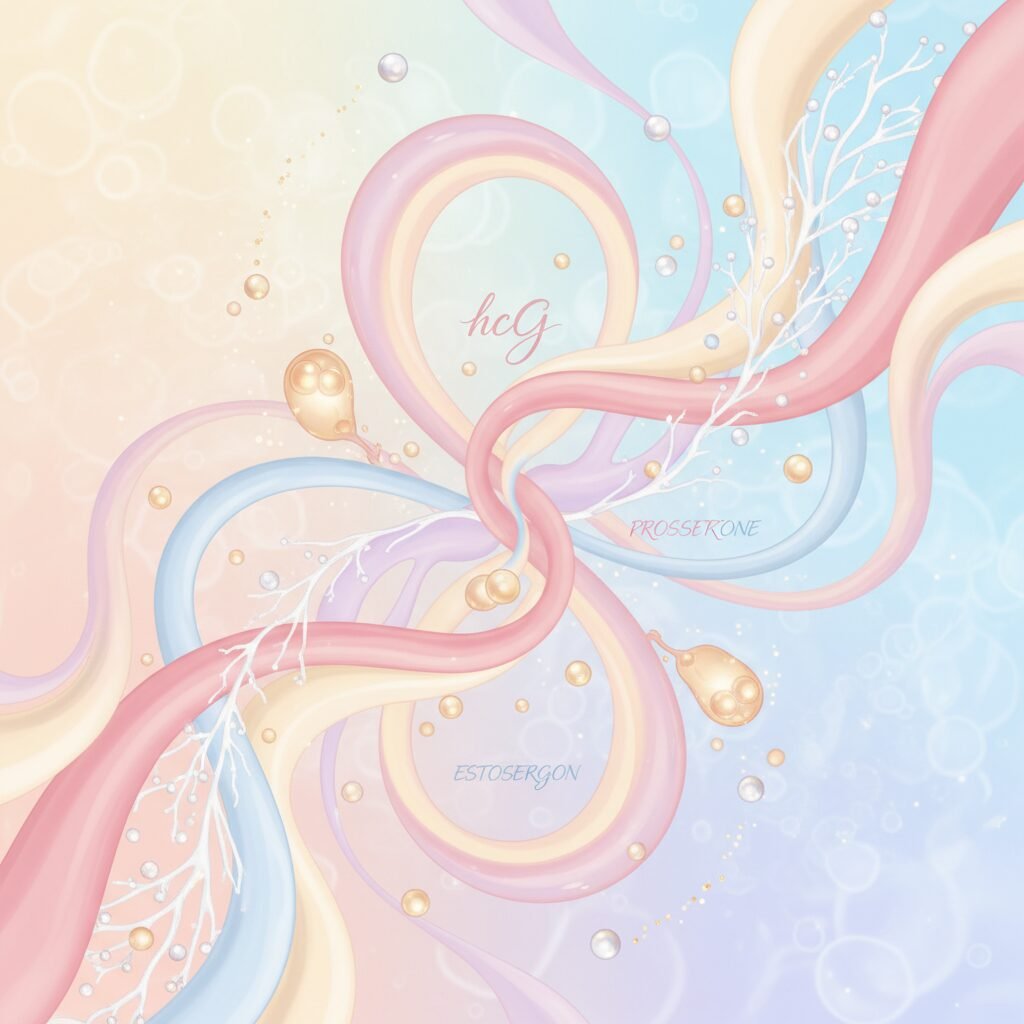
Before we list the symptoms, it’s essential to understand why they happen. The moment a fertilized egg implants into your uterine wall, your body begins a monumental hormonal transformation. This isn’t a gradual shift; it’s a rapid cascade designed to create a nurturing environment for a growing embryo. The main players are:
- Human Chorionic Gonadotropin (hCG): This is the ‘pregnancy hormone’ detected in urine and blood tests. Its levels double roughly every 48-72 hours in early pregnancy. hCG is responsible for telling your ovaries to stop releasing eggs and to keep producing progesterone. It’s often linked to morning sickness, but its influence is far broader.
- Progesterone: Often called the ‘pro-gestation’ hormone, its levels soar after implantation. Progesterone is vital for maintaining the uterine lining (endometrium), preventing uterine contractions, and supporting the placenta’s development. It’s also the culprit behind many PMS-like symptoms, which is why it’s so easy to confuse the two. It causes fatigue, bloating, and breast tenderness.
- Estrogen: This hormone also rises significantly in early pregnancy. Estrogen helps the uterus grow, maintains the uterine lining, and plays a key role in fetal development. It can contribute to tender breasts and an increased blood supply throughout your body.
This powerful hormonal cocktail affects nearly every system in your body, from your digestive tract to your circulatory system and even your brain chemistry. It’s this widespread, rapid change that produces the weird and wonderful symptoms we’re about to discuss.
Strange Sensations: What Your Mouth, Nose, and Stomach Are Telling You

Some of the earliest and strangest signs of pregnancy involve your senses. The sudden hormonal surge can make your brain and body react to stimuli in completely new ways.
1. Metallic Taste (Dysgeusia)
One of the most peculiar symptoms is a persistent metallic or sour taste in your mouth, medically known as dysgeusia. It can feel like you’ve been sucking on a handful of loose change. This is thought to be caused by rising estrogen levels, which can alter your taste buds’ perception of flavor. It often appears very early and can persist through the first trimester. While annoying, it’s harmless. Chewing sugar-free gum or mints can help offset the taste.
2. A Superhuman Sense of Smell (Hyperosmia)
Suddenly find the smell of your partner’s coffee, a coworker’s perfume, or takeout from down the street completely overwhelming? You might be experiencing hyperosmia. This heightened sense of smell is another side effect of surging hormones, particularly estrogen. Your body becomes incredibly sensitive to odors, which is believed to be a primitive protective mechanism to help you avoid potentially harmful substances. This can also be a direct trigger for nausea and food aversions.
3. Food Aversions and Cravings
While intense cravings for pickles and ice cream are a classic pregnancy trope, subtle shifts in your food preferences can happen much earlier. You might suddenly be repulsed by a food you normally love, like grilled chicken or a morning latte. Conversely, you might feel an unshakeable urge for a specific food. These aversions and cravings are your body’s response to hormonal changes and shifting nutritional needs. Don’t be surprised if your palate does a complete 180 before you even see a positive test.
Unexpected Physical Changes From Head to Toe

Your body is working overtime from the moment of implantation, and the physical evidence can show up in some surprising places.
4. Vivid, Bizarre Dreams
Many newly pregnant women report a sudden increase in the intensity and frequency of their dreams. They are often more vivid, complex, and memorable than usual. The exact cause isn’t fully understood, but it’s linked to the massive increase in progesterone, which can affect sleep cycles and patterns. Emotional processing and anxieties about potential parenthood can also fuel this active dream state.
5. Shortness of Breath
Do you feel winded after climbing a single flight of stairs you usually take with ease? Early in pregnancy, your body’s demand for oxygen increases to support the growing fetus. Rising progesterone levels also play a role by signaling your brain to breathe more deeply, which can create the sensation of being short of breath. Your respiratory rate doesn’t actually change, but your awareness of your breathing does.
6. Dizziness or Lightheadedness
Feeling a bit woozy or lightheaded when you stand up too quickly can be an early pregnancy sign. Your circulatory system is undergoing a massive expansion to accommodate your future baby. Your blood vessels dilate to carry more blood, which can cause a temporary drop in blood pressure, leading to dizziness. Staying well-hydrated and rising slowly can help manage this symptom.
7. Changes in Basal Body Temperature (BBT)
For those who track their cycles using BBT, this is a key indicator. After ovulation, your BBT rises due to progesterone and stays elevated until your period begins, at which point it drops. If you are pregnant, progesterone levels remain high, and therefore your BBT will stay elevated past the point your period was due. A sustained high temperature for 18 or more days post-ovulation is a very strong indicator of pregnancy.
Subtle Clues: What’s Happening ‘Down There’?

It’s natural to pay close attention to every twinge and change in your pelvic region during the TWW. While some are easily mistaken for an impending period, others are more distinct.
8. Implantation Bleeding and Cramping
This is one of the most talked-about early signs. About 6-12 days after conception, the fertilized egg burrows into the uterine lining. This process can cause light spotting (pink or brown, not red) and mild, dull cramping. It’s often mistaken for the start of a period, but it’s typically much lighter and doesn’t last as long. The cramping may feel like a slight pulling or tingling sensation rather than the deep ache of menstrual cramps.
9. Changes in Cervical Mucus
If you track your cervical mucus, you may notice a change. After ovulation, mucus typically becomes dry and scant. However, if conception occurs, rising progesterone can cause your cervical mucus to become thick, creamy, and white or yellowish in color. This is due to the formation of the mucus plug, which seals off your cervix to protect the uterus.
10. A Feeling of ‘Fullness’ or Pressure
Some women report a feeling of heaviness, fullness, or pressure in their lower abdomen, similar to pre-menstrual bloating but somehow different. This is caused by increased blood flow to the uterus and the initial thickening of the uterine lining. It’s a subtle sensation that’s easy to dismiss, but many women describe it in hindsight as one of their first clues.
The Emotional Rollercoaster and Cognitive Fog

The hormonal upheaval doesn’t just affect you physically; it can have a profound impact on your mood and mental clarity.
11. Unexplained Mood Swings
Crying at a sappy commercial one minute and feeling irritable the next? Extreme mood swings that feel out of character can be a sign. The rapid fluctuation of estrogen and progesterone can affect neurotransmitters in your brain, leading to heightened emotional sensitivity. While PMS can also cause moodiness, pregnancy-related mood swings often feel more intense and unpredictable.
12. Overwhelming Fatigue
This isn’t just ‘I’m a little tired’ fatigue. Early pregnancy fatigue is a bone-deep exhaustion that can hit you like a ton of bricks. Your body is using an enormous amount of energy to build a life-support system for your baby. Soaring progesterone levels are a major contributor to this sleepiness. You might find yourself desperate for a nap in the middle of the day or falling asleep on the couch an hour after dinner. It’s one of the most common and persistent early symptoms.
Symptom Spotting vs. Reality: What to Do Now
It’s incredibly difficult not to analyze every single feeling when you’re hoping to be pregnant. However, many early pregnancy symptoms are frustratingly similar to premenstrual syndrome (PMS) symptoms. So, how can you tell the difference?
The truth is, it’s nearly impossible to know for sure based on symptoms alone. The only way to confirm a pregnancy is with a pregnancy test. For the most accurate result, it’s best to wait until the day of your expected period, or even a few days after. Home pregnancy tests work by detecting hCG in your urine, and it takes time for this hormone to build up to a detectable level.
Here’s a quick comparison to help you navigate the confusion:
| Symptom | Could Be PMS | Could Be Early Pregnancy |
|---|---|---|
| Breast Tenderness | Tends to be a dull, heavy ache that subsides when your period starts. | Often feels more tingly, sensitive, or sharp. The areolas may darken. Persists and may intensify. |
| Spotting | Uncommon, but some may experience pre-menstrual spotting. | Can be implantation bleeding (pink/brown), occurring 6-12 days past ovulation. |
| Fatigue | Usually eases up once your period begins. | Often severe and persistent, lasting through the first trimester. |
| Cravings/Aversions | Commonly a craving for salty, sweet, or carb-heavy foods. | Can include very specific cravings and strong aversions to smells and tastes. |
| Cramping | Typically occurs 24-48 hours before your period and can be quite strong. | Can be milder, duller implantation cramping that occurs earlier in the TWW. |
Remember, your journey is unique. Try to be patient and kind to yourself during this waiting period. Focus on self-care, nourishment, and activities that bring you joy to help pass the time.
If your period is late and you get a positive pregnancy test, your next step is to call your healthcare provider (an OB-GYN or midwife) to schedule your first prenatal appointment. They will confirm the pregnancy and guide you on the next steps for a healthy journey ahead.
Conclusion
The two-week wait is a masterclass in patience and body awareness. While these 12 weird symptoms can be intriguing potential clues, they are not a definitive diagnosis. Every body is different, and some women experience many of these signs while others experience none at all. The most reliable signs remain a missed period and a confirmed positive test.
Whether this cycle results in a pregnancy or not, remember that you are resilient. This journey can be challenging, but you are not alone. Continue to listen to your body, advocate for your health, and seek support from your partner, friends, or a trusted professional. We are here to support you every step of the way.
Medical Disclaimer: The information provided in this article is for educational purposes only and is not a substitute for professional medical advice, diagnosis, or treatment. Always seek the advice of your physician or other qualified health provider with any questions you may have regarding a medical condition or pregnancy.