
Is It Safe? The Truth About Dying Your Hair While Pregnant + 5 Non-Toxic Brands
Welcome to the beautiful, often overwhelming, journey of parenthood. From the moment you see those two lines, a cascade of questions begins, many revolving around safety and well-being for both you and your developing baby. Among the many lifestyle adjustments, the question of ‘Can I still dye my hair?’ frequently arises. It’s a valid concern, born from a desire to nurture your changing body while still feeling like yourself. As a Doula and Maternal Health Educator, I’ve heard this question countless times, and I understand the mix of curiosity, caution, and the simple wish to maintain a sense of normalcy and confidence during pregnancy.
The truth is, there’s a lot of conflicting information out there, which can make it hard to know what’s truly safe. This article is designed to be your trusted resource, offering empathetic, fact-based guidance on hair dyeing during pregnancy. We’ll delve into the science, review expert recommendations, explore safer alternatives, and introduce you to five non-toxic hair dye brands that prioritize your health and your baby’s. Our goal is to empower you with knowledge, so you can make choices that feel right for you and your growing family.
Understanding the Concerns: Hair Dye & Your Pregnancy
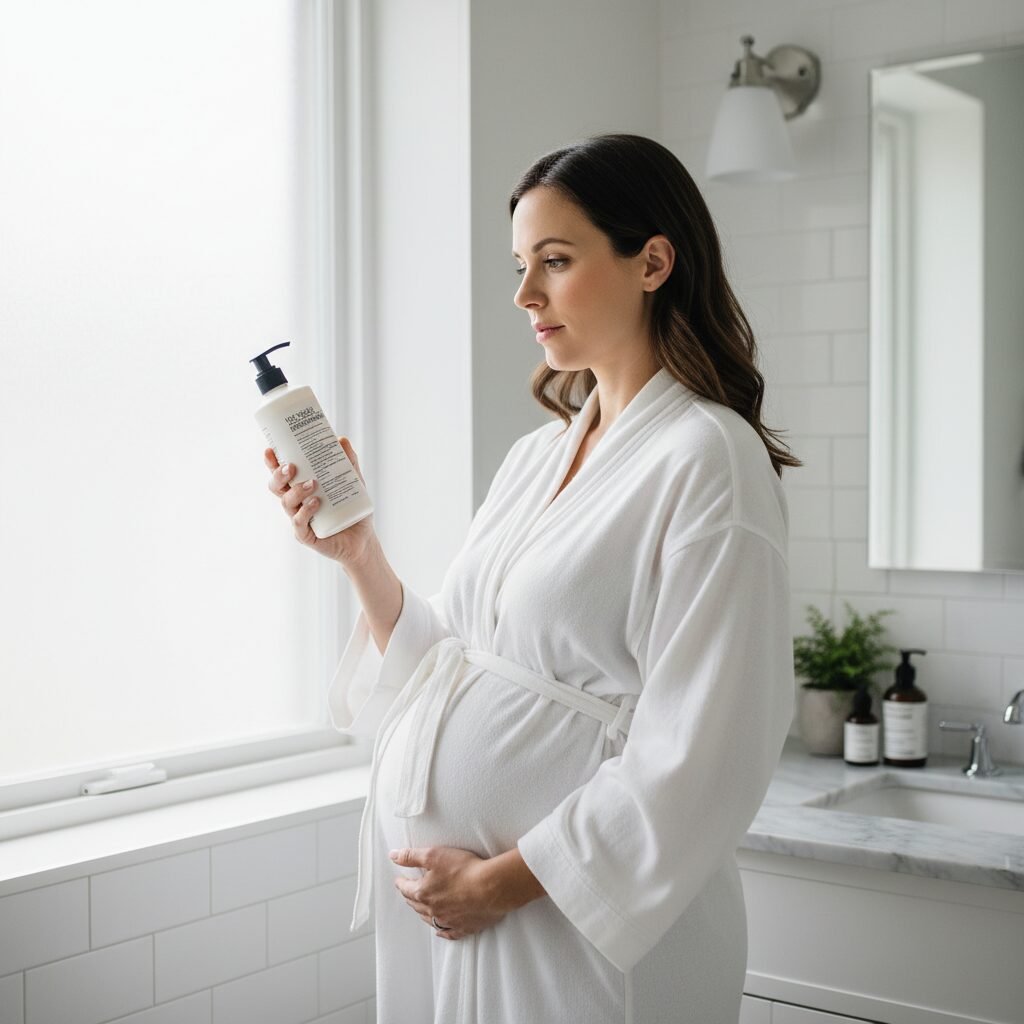
When considering hair dye during pregnancy, the primary concern revolves around the chemicals present in many conventional hair coloring products. These chemicals, such as ammonia, paraphenylenediamine (PPD), resorcinol, and hydrogen peroxide, have historically raised eyebrows due to their potential for absorption through the scalp and inhalation. The developing fetus is particularly vulnerable during the first trimester, a critical period of organ development.
While studies on the direct effects of hair dye on human pregnancy are limited and often inconclusive due to ethical considerations, what we do know is that the amount of chemicals absorbed through the skin is generally very low. Your skin acts as a protective barrier, and only a small fraction of these chemicals might enter your bloodstream. Furthermore, your liver and kidneys are incredibly efficient at filtering out and processing these substances, further minimizing any potential exposure to your baby.
“Many expecting parents worry about every little thing, and that’s completely normal. When it comes to hair dye, the current scientific consensus suggests that the risks are minimal, especially with proper precautions. It’s about making informed choices, not living in fear.” – A Maternal Health Educator
However, the lack of definitive, large-scale studies means that many healthcare providers err on the side of caution. The chemicals in hair dye can also cause allergic reactions or skin irritation, which can be more pronounced during pregnancy due to hormonal changes making your skin more sensitive. It’s this combination of limited data, potential for skin sensitivity, and the desire for absolute safety that fuels the ongoing discussion.
Expert Insights: What Medical Professionals Recommend

Navigating the advice around pregnancy and hair dye can feel like a maze, but thankfully, leading medical organizations offer clear, consistent guidance. Both the American College of Obstetricians and Gynecologists (ACOG) and the Organization of Teratology Information Specialists (OTIS) generally state that hair dyeing during pregnancy is considered low risk, especially after the first trimester.
Key Recommendations from Medical Experts:
- Wait Until the Second Trimester: Many healthcare providers suggest waiting until after the first trimester (week 12) to dye your hair. This is primarily a precautionary measure, as the first trimester is when your baby’s vital organs are forming. By the second trimester, this critical developmental phase is largely complete.
- Opt for Safer Alternatives: Consider options that minimize scalp contact. Highlights, balayage, or frosting, where the dye is applied only to strands of hair and doesn’t touch the scalp, are often preferred. This significantly reduces the potential for chemical absorption.
- Choose Semi-Permanent or Vegetable Dyes: These dyes typically contain fewer harsh chemicals, no ammonia, and lower concentrations of peroxide compared to permanent dyes. Henna (pure, natural henna, not ‘black henna’ which can contain PPD) is another popular natural option.
- Ensure Good Ventilation: If you’re dyeing your hair at home or at a salon, make sure the area is well-ventilated to avoid inhaling fumes, which can cause nausea or dizziness, especially if you’re already sensitive to smells.
- Perform a Patch Test: Pregnancy can alter your skin’s sensitivity. Always do a patch test 48 hours before applying any dye, even if it’s a product you’ve used before, to check for allergic reactions.
“The consensus among most maternal health experts is that occasional hair dyeing during pregnancy, especially after the first trimester and with precautions, poses minimal risk. Prioritizing good ventilation and minimizing scalp contact are sensible steps.” – A Certified Doula
Remember, open communication with your healthcare provider is always best. If you have specific concerns or a history of allergies, discuss your plans with your doctor or midwife.
Navigating Safer Styling: Alternatives and Best Practices
Feeling good about your appearance can significantly boost your mood and confidence during pregnancy. Thankfully, there are many ways to achieve beautiful hair color without compromising safety. Here’s how you can navigate safer styling choices:
Minimizing Exposure and Maximizing Safety:
- Choose Products Wisely: Look for dyes that are ammonia-free, PPD-free, resorcinol-free, and phthalate-free. These are often labeled as ‘natural’ or ‘organic,’ but always check the ingredient list carefully.
- Opt for Non-Permanent Options: Semi-permanent, demi-permanent, or temporary dyes coat the hair shaft rather than penetrating it deeply like permanent dyes. They wash out over time and generally contain fewer harsh chemicals.
- Consider Highlights, Balayage, or Ombré: These techniques apply dye away from the scalp, significantly reducing the amount of chemical contact with your skin. This is a popular choice for many expecting parents.
- Pure Henna: If you love red or auburn tones, pure henna (Lawsonia inermis) is a natural, plant-based dye. Ensure it’s 100% pure henna, as some ‘black henna’ products contain PPD, which can be dangerous. Always test a small area first.
- Vegetable Dyes: Some brands offer vegetable-based dyes that are free from synthetic chemicals. These typically provide subtle color changes and are very gentle.
- Root Touch-Ups: If you’re only covering grays or roots, consider using a root touch-up spray or powder that sits on the surface of the hair and washes out, avoiding chemical processing altogether.
- Ventilation is Key: Whether at home or in a salon, ensure the area is well-ventilated to minimize inhalation of fumes.
- Patch Test, Always: Hormonal changes can make your skin more sensitive. Even if you’ve used a product before, perform a patch test on a small area of skin 48 hours beforehand to check for allergic reactions.
“Pregnancy is a time of incredible transformation. Embracing natural beauty or finding gentle ways to enhance it can be a wonderful part of your self-care routine. Remember, a little pampering goes a long way.” – An Empathetic Doula
By understanding these alternatives and best practices, you can confidently choose a hair coloring method that aligns with your comfort level and safety priorities during pregnancy.
Embracing Non-Toxic: 5 Brands for Expecting Parents
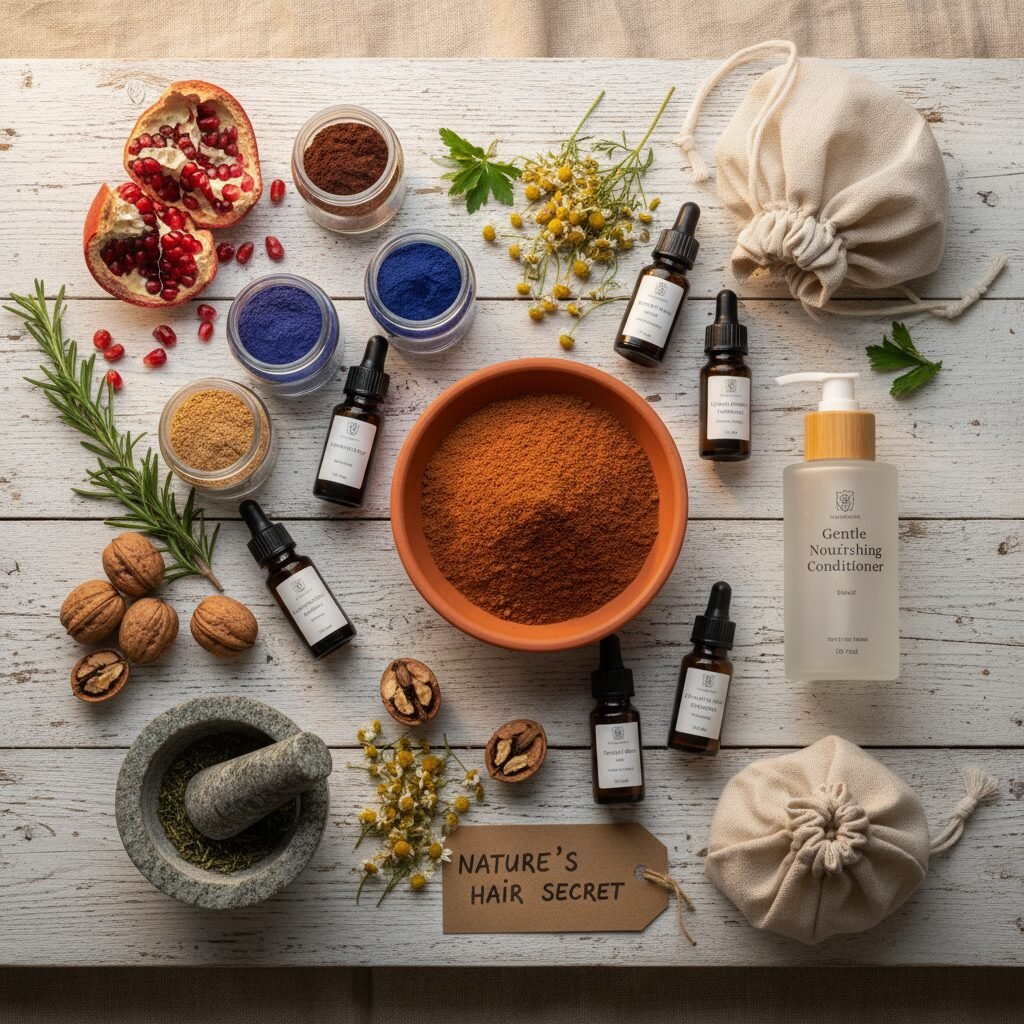
The beauty industry has seen a wonderful shift towards ‘clean beauty,’ offering more options for those seeking products free from harsh chemicals. For expecting parents, this means a growing selection of hair dyes that prioritize gentler formulations. When choosing a non-toxic brand, look for labels that explicitly state ‘ammonia-free,’ ‘PPD-free,’ ‘resorcinol-free,’ and ideally, ‘phthalate-free’ and ‘paraben-free.’ Here are five brands that are often recommended for their commitment to safer ingredients:
| Brand | Key Features for Pregnancy | Type of Dye | Why It’s a Good Choice |
|---|---|---|---|
| Herbatint | Ammonia-free, Resorcinol-free, Paraben-free, Alcohol-free. Contains 8 organic herbal extracts. | Permanent (with lower peroxide) or Semi-Permanent | Utilizes plant extracts to minimize chemical load, offering good gray coverage with less harshness. |
| Naturtint | Ammonia-free, Resorcinol-free, Paraben-free, PPD-free (in some shades), enriched with plant ingredients. | Permanent or Semi-Permanent | Focuses on botanical ingredients, providing vibrant, long-lasting color while being gentle on scalp and hair. |
| Madison Reed | Ammonia-free, PPD-free, Resorcinol-free, Paraben-free, Phthalate-free, Gluten-free. Offers a personalized approach. | Permanent or Semi-Permanent | Known for its ‘Smart 8-Free’ formula, delivering salon-quality results at home with a focus on ingredient safety. |
| Tints of Nature | Certified Organic ingredients (up to 75%), Ammonia-free, Resorcinol-free, PPD-free (in some shades), Paraben-free. | Permanent or Semi-Permanent | High percentage of natural and organic ingredients, aiming for a truly gentle coloring experience with good performance. |
| Surya Brasil Henna Cream | 100% Vegan, Cruelty-free, Ammonia-free, PPD-free, Peroxide-free, Resorcinol-free, Paraben-free. Enriched with botanical extracts. | Semi-Permanent (Henna-based) | Ideal for those seeking a truly natural, plant-based color. Offers conditioning benefits and rich, subtle tones without harsh chemicals. |
When exploring these brands, always remember to read the specific product’s ingredient list, as formulations can vary. Perform a patch test, even with ‘natural’ dyes, as individual sensitivities can differ. These brands offer a wonderful starting point for maintaining your desired hair color with greater peace of mind during your pregnancy journey.
Beyond Color: Nurturing Your Hair & Well-being During Pregnancy
Pregnancy is a time of profound physical and emotional changes, and your hair is no exception. Hormonal fluctuations can lead to thicker, more lustrous hair for some, while others might experience increased dryness, oiliness, or even temporary hair loss. These changes are completely normal and are often temporary.
Embracing Your Natural Hair & Self-Care:
- Focus on Hair Health: Instead of solely focusing on color, consider investing in nourishing hair masks, gentle shampoos, and conditioners. Look for products free from sulfates and parabens to support overall hair and scalp health.
- Gentle Styling: Reduce heat styling and tight hairstyles that can stress your hair. Embrace air-drying when possible and use soft hair ties.
- Nutrient-Rich Diet: A balanced diet rich in vitamins and minerals is crucial for healthy hair growth. Ensure you’re getting enough protein, iron, zinc, and biotin, which are often found in your prenatal vitamins and a wholesome diet.
- Hydration: Drinking plenty of water is essential for overall health, including the health of your hair and skin.
- Manage Stress: Stress can impact hair health. Incorporate relaxation techniques like meditation, prenatal yoga, or simply taking quiet moments for yourself.
- Celebrate the Changes: View your pregnancy hair as another unique aspect of this journey. It’s a temporary phase, and your body is doing incredible work. Sometimes, letting go of the need for perfection and embracing the natural changes can be incredibly liberating.
“Your well-being extends far beyond just what you put on your hair. Prioritizing rest, good nutrition, and mental health creates a beautiful glow that no hair dye can replicate. Cherish this time of nurturing yourself and your baby.” – A Supportive Doula
Remember, self-care during pregnancy isn’t just about physical health; it’s about nurturing your spirit and feeling good in your own skin. Whether that involves a non-toxic hair dye or simply embracing your natural locks, the most important thing is to make choices that bring you joy and peace of mind.
Conclusion
The journey of pregnancy is filled with decisions, big and small, and it’s completely natural to seek reassurance and facts when it comes to your health and your baby’s. When it comes to dyeing your hair, the overwhelming consensus from medical experts is that with informed choices and proper precautions, the risks are minimal, especially after the first trimester. You have options, from embracing your natural beauty to choosing gentler techniques like highlights or opting for the growing array of non-toxic hair dye brands.
Ultimately, the decision to dye your hair during pregnancy is a personal one. It’s about finding what makes you feel comfortable, confident, and cared for during this extraordinary time. Empower yourself with knowledge, listen to your body, and always consult with your healthcare provider if you have any specific concerns. Remember, prioritizing your well-being, in all its forms, is a beautiful act of self-love that benefits both you and your growing family.
Medical Disclaimer: The information provided in this article is for general informational purposes only and does not constitute medical advice. It is not intended to be a substitute for professional medical advice, diagnosis, or treatment. Always seek the advice of your physician or other qualified health provider with any questions you may have regarding a medical condition. Never disregard professional medical advice or delay in seeking it because of something you have read in this article.