

Not Just Hormones: 7 Natural Ways to Fight Prenatal Depression Instantly
When you envisioned pregnancy, you likely pictured glowing skin, a perfectly round belly, and an overwhelming sense of joy. But for up to 20% of expectant parents, the reality is clouded by something much heavier: prenatal depression. If you’re feeling persistent sadness, anxiety, or emptiness, please hear this first: You are not alone, you are not broken, and this is not your fault.
Prenatal depression, also known as antenatal depression, is a real and treatable medical condition. While the tidal wave of pregnancy hormones certainly plays a role, it’s a profound oversimplification to dismiss these feelings as ‘just hormones.’ Your experience is valid, and it’s rooted in a complex interplay of biological, psychological, and social factors.
This guide is created from a place of deep empathy and professional experience. We will move beyond the myths and explore seven powerful, natural, and actionable ways to support your mental health during this transformative time. These strategies are designed to work alongside professional medical advice, empowering you to build a toolkit for resilience and well-being. Let’s walk this path together.
Understanding Prenatal Depression: More Than Just the ‘Baby Blues’

Differentiating Normal Mood Swings from a Deeper Struggle
It’s completely normal to feel emotional during pregnancy. One minute you might be crying over a commercial, and the next you’re filled with excitement. These fluctuations are often tied to hormones, fatigue, and the sheer magnitude of the life change you’re undergoing. However, prenatal depression is different. It’s a persistent low mood that lasts for more than two weeks and begins to interfere with your ability to function in daily life.
“Recognizing the difference is the first step toward healing. Prenatal depression isn’t a character flaw; it’s a complication of pregnancy, just like gestational diabetes or preeclampsia. It deserves the same level of care and attention.” – Maternal Health Educator
Common signs and symptoms of prenatal depression include:
- Persistent sadness, hopelessness, or feelings of emptiness
- Loss of interest or pleasure in activities you once enjoyed
- Significant changes in appetite (eating much more or much less)
- Sleep disturbances unrelated to pregnancy discomfort (insomnia or sleeping too much)
- Overwhelming fatigue or loss of energy
- Feelings of worthlessness, shame, or excessive guilt
- Difficulty concentrating, remembering things, or making decisions
- Increased anxiety or panic attacks
- Thoughts of harming yourself or the baby
If several of these symptoms resonate with you, it’s a signal to reach out and seek support. Acknowledging the problem is an act of incredible strength and the first step toward feeling better.
1. The Power of Movement: Gentle Exercise for Mood Regulation

Releasing Endorphins, Your Body’s Natural Antidepressants
When you’re feeling depleted and unmotivated, exercise might be the last thing on your mind. However, gentle, consistent movement is one of the most effective natural mood boosters available. Physical activity prompts the brain to release endorphins, which are powerful chemicals that act as natural painkillers and mood elevators. It also reduces levels of the stress hormones adrenaline and cortisol.
The goal isn’t to run a marathon. It’s about finding joyful, safe movement that feels good for your changing body. Aim for 20-30 minutes of moderate activity most days of the week. Always consult your healthcare provider before starting any new exercise routine during pregnancy.
Pregnancy-Safe Activities to Try:
- Walking: A simple, accessible, and highly effective way to clear your head and get your body moving. Try walking in a park or a quiet neighborhood to add the benefits of nature.
- Prenatal Yoga: Specifically designed for the pregnant body, it combines gentle stretching with breathing exercises and mindfulness, which helps to calm the nervous system and reduce anxiety.
- Swimming or Water Aerobics: The buoyancy of water supports your joints and the weight of your belly, making it feel incredibly freeing. The rhythmic motion of swimming can be very meditative.
- Stationary Cycling: A low-impact way to get your heart rate up without putting stress on your joints.
Tip for New Dads and Partners: Offer to be an accountability partner. Suggest a daily walk together. This not only encourages movement but also provides dedicated time to connect and talk.
2. Nourishing Your Mind: The Brain-Mood-Food Connection
Fueling Your Brain for Better Mental Health
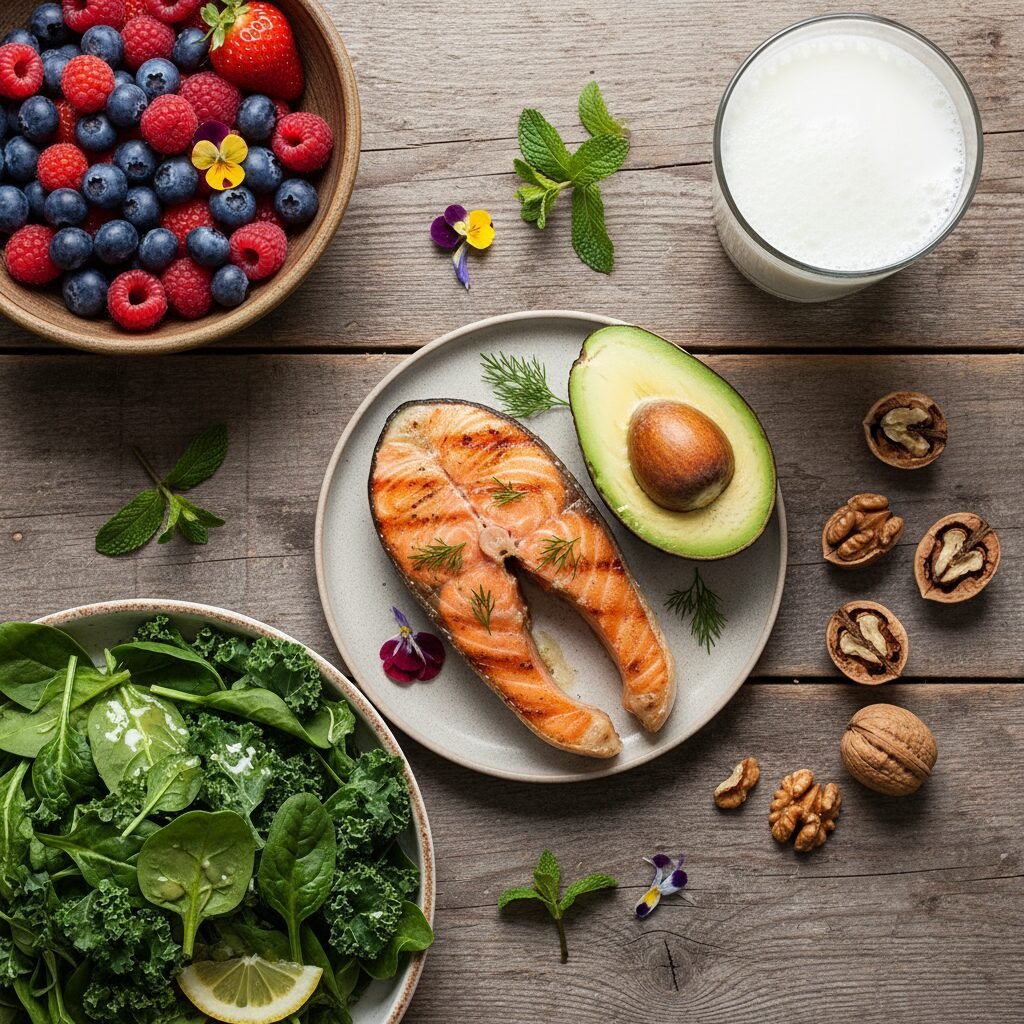
What you eat has a direct and profound impact on your brain chemistry and, consequently, your mood. During pregnancy, your body’s nutritional needs are heightened, and certain nutrient deficiencies have been linked to an increased risk of depression. Focusing on a diet rich in whole, unprocessed foods can be a cornerstone of your mental wellness plan.
Think of it as nourishing two brains: yours and your baby’s. Key nutrients play a vital role in producing neurotransmitters like serotonin and dopamine, which are essential for mood regulation.
| Nutrient | Role in Mental Wellness | Pregnancy-Safe Food Sources |
|---|---|---|
| Omega-3 Fatty Acids (DHA/EPA) | A critical component of brain cell membranes; helps reduce inflammation, which is often elevated in depression. | Fatty fish (salmon, sardines), walnuts, chia seeds, flaxseeds, algae-based supplements. |
| Vitamin D | The ‘sunshine vitamin’ helps regulate mood and has been shown to reduce symptoms of depression. | Sunlight exposure, fortified milk, fatty fish, egg yolks, Vitamin D supplements (consult your doctor). |
| Magnesium | Known as the ‘calming mineral,’ it helps regulate the nervous system and can reduce anxiety. | Leafy greens (spinach, kale), almonds, avocados, dark chocolate, black beans. |
| B Vitamins (especially B6, B12, and Folate) | Essential for producing mood-regulating neurotransmitters and energy. | Lean meats, eggs, legumes, leafy greens, fortified cereals, nutritional yeast. |
| Probiotics | Supports a healthy gut microbiome, which communicates directly with the brain (the ‘gut-brain axis’). | Yogurt with live cultures, kefir, sauerkraut, kimchi, miso. |
Focus on stabilizing your blood sugar by eating regular, balanced meals that include protein, healthy fats, and complex carbohydrates. This prevents the energy crashes and mood swings that come from blood sugar spikes and dips.
3. The Restorative Power of Sleep: Prioritizing Quality Rest

Recharging Your Brain to Fight Depression
Sleep and mood are inextricably linked. A lack of quality sleep can exacerbate symptoms of depression, and depression can make it harder to sleep, creating a vicious cycle. During pregnancy, sleep is often disrupted by physical discomfort, hormonal shifts, and anxiety. Making sleep a non-negotiable priority is an act of self-care that is crucial for your mental health.
Strategies for Better Pregnancy Sleep:
- Create a Sanctuary: Make your bedroom a haven for rest. Keep it cool, dark, and quiet. Use blackout curtains or an eye mask if needed.
- Establish a Wind-Down Routine: Signal to your brain that it’s time to sleep. An hour before bed, turn off screens (the blue light can interfere with melatonin production). Take a warm bath, read a calming book, listen to soothing music, or do some gentle stretches.
- Invest in Support: A good pregnancy pillow can be a game-changer. It can help support your back, hips, and belly, allowing you to find a more comfortable side-sleeping position.
- Manage Nighttime Worries: If your mind races at night, keep a ‘worry journal’ by your bed. Before you go to sleep, write down everything you’re anxious about. This act of ‘dumping’ the thoughts onto paper can help you let them go for the night.
- Mind Your Fluids: Stay hydrated during the day, but try to limit your fluid intake in the 2-3 hours before bedtime to reduce nighttime bathroom trips.
“Sleep is not a luxury; it is a biological necessity. Giving yourself permission to rest, nap, and prioritize sleep is one of the most profound ways you can support your mental and physical health during pregnancy.”
4. Finding Your Village: The Importance of Connection and Support

You Were Never Meant to Do This Alone
Depression thrives in isolation. It can make you feel like you’re the only one struggling and can trick you into withdrawing from the very people who want to help. Actively fighting this urge by reaching out for connection is a powerful antidote.
Building Your Support Network:
- Talk to Your Partner: Be open and honest about how you’re feeling. For partners, the goal is not to ‘fix’ it, but to listen without judgment. Ask, ‘What does support look like for you right now?’ or ‘How can I help carry the load today?’ Simple acts of validation and presence are incredibly powerful.
- Confide in a Trusted Friend or Family Member: Choose someone in your life who is a good listener and makes you feel safe. Voicing your feelings can lift a tremendous weight.
- Join a Support Group: Connecting with other expectant parents who are experiencing similar struggles can be profoundly validating. Search for local prenatal support groups or reputable online communities. Knowing you’re not alone can dissolve feelings of shame.
- Schedule Social Time: Even if you don’t feel like it, make a plan to have a cup of tea with a friend or take a walk with a family member. Social interaction, even in small doses, can boost your mood.
Remember, asking for help is a sign of immense strength and self-awareness. It’s an investment in your well-being and the well-being of your growing family.
5. Mindfulness and Meditation: Calming the Anxious Mind

Anchoring Yourself in the Present Moment
Prenatal depression and anxiety often trap us in a cycle of worrying about the future or ruminating on the past. Mindfulness is the practice of gently bringing your awareness to the present moment without judgment. It’s a skill that can help you observe your difficult thoughts and feelings without getting swept away by them.
Simple Mindfulness Practices to Try Now:
- Three-Part Breath: Sit comfortably with your eyes closed. Place one hand on your belly and the other on your chest. Inhale slowly through your nose, feeling your belly expand first, then your rib cage, then your chest. Exhale slowly, feeling your chest, ribs, and belly fall. Repeat for 5-10 breaths. This simple act activates the parasympathetic nervous system, your body’s ‘rest and digest’ state.
- The 5-4-3-2-1 Grounding Technique: When you feel overwhelmed, pause and engage your senses. Name: 5 things you can see, 4 things you can feel (the texture of your shirt, the chair beneath you), 3 things you can hear, 2 things you can smell, and 1 thing you can taste. This pulls you out of your racing thoughts and into the present moment.
- Guided Meditations: There are many excellent apps (like Calm, Headspace, or Expectful) that offer guided meditations specifically for pregnancy. Even 5-10 minutes a day can make a significant difference in managing stress and improving your mood.
Mindfulness isn’t about stopping your thoughts; it’s about changing your relationship with them. You learn to see them as passing clouds in the sky of your mind, rather than all-encompassing storms.
6. The Healing Touch of Nature: Harnessing Ecotherapy

Letting the Outdoors In
Humans have an innate connection to the natural world. Spending time in nature, sometimes called ecotherapy or ‘green time,’ has been scientifically shown to reduce stress, anxiety, and symptoms of depression. It can lower blood pressure, reduce cortisol levels, and improve your overall sense of well-being.
Easy Ways to Connect with Nature:
- Go for a ‘Mindful’ Walk: Instead of walking with a destination in mind, walk simply to observe. Notice the color of the leaves, the feeling of the breeze on your skin, the sound of birds. Engage all your senses.
- Get Some Sunlight: Exposure to natural sunlight helps your body produce Vitamin D, a crucial nutrient for mood regulation. Try to spend at least 15-20 minutes outside each day, especially in the morning.
- Bring Nature Indoors: If getting outside is difficult, bring the outdoors to you. Buy a few houseplants, open the windows to let in fresh air, or listen to recordings of nature sounds like rain or ocean waves.
- ‘Forest Bathing’ (Shinrin-yoku): This Japanese practice simply means immersing yourself in a forest environment. Find a local park or trail and walk slowly, breathe deeply, and just be present among the trees. The benefits are profound.
Even small doses of nature can provide a significant mental health boost, offering a sense of perspective and calm when you feel overwhelmed by your internal world.
7. Creative Expression: A Non-Verbal Outlet for Complex Feelings
Processing Emotions Through Art and Words
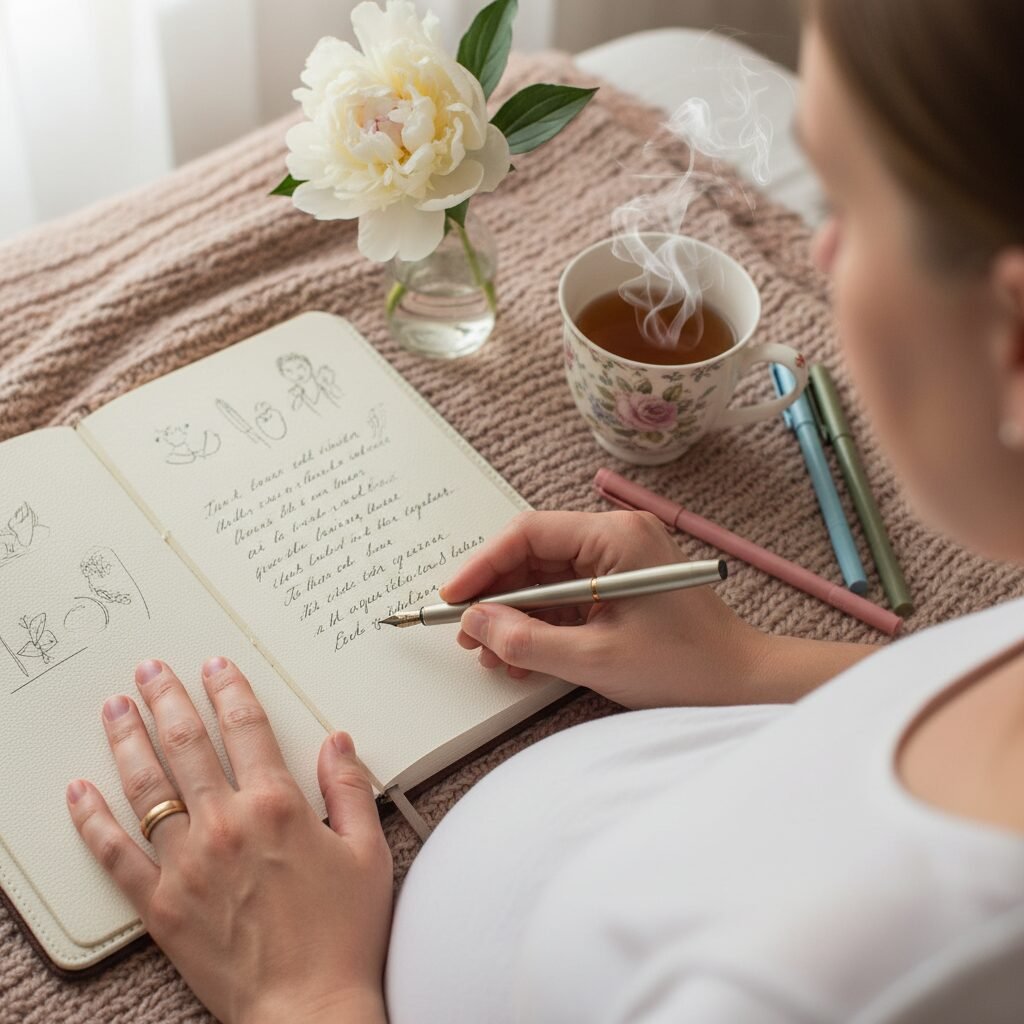
Sometimes, the feelings associated with prenatal depression are too big, too confusing, or too overwhelming to put into words. This is where creative expression can be a powerful therapeutic tool. It provides a non-verbal outlet to process and release complex emotions without the pressure of having to explain them to anyone.
Creative Outlets to Explore:
- Journaling: This can be a structured ‘dear diary’ entry, a gratitude list, or simply a ‘brain dump’ of all your thoughts and feelings, no matter how messy. There is no right or wrong way to do it. The goal is to get the thoughts out of your head and onto the page.
- Painting or Drawing: You don’t need to be an artist. Get a simple set of watercolors or colored pencils and just play with color and shape. Paint your emotions. What color is your sadness? What shape is your anxiety?
- Knitting or Crocheting: The repetitive, rhythmic motions of these crafts can be incredibly meditative and calming. Plus, you can create something beautiful for your baby, which can be a wonderful way to foster a sense of connection.
- Creating a Playlist: Music has a direct line to our emotions. Curate playlists that match and honor your feelings—a sad playlist for when you need a good cry, and an uplifting one for when you need a boost.
The focus is entirely on the process, not the product. It’s about giving yourself a safe and constructive channel to move difficult energy and emotions through and out of your body.
When Natural Approaches Aren’t Enough: Seeking Professional Help

Your Essential and Bravest Next Step
These seven natural strategies can be incredibly powerful components of a comprehensive mental wellness plan. However, it is crucial to understand that they are meant to complement, not replace, professional medical care. Prenatal depression is a serious health condition, and sometimes, more support is needed. Seeking professional help is not a sign of failure; it is the ultimate act of love for yourself and your baby.
It’s time to call your doctor, midwife, or a mental health professional if:
- Your symptoms are not improving or are getting worse.
- Your low mood or anxiety is making it difficult to care for yourself (e.g., eat, sleep, or maintain hygiene).
- You are having trouble bonding with your pregnancy.
- You are having thoughts of self-harm, death, or harming your baby. If you are having these thoughts, please seek immediate help by calling 911 or the National Suicide Prevention Lifeline at 988.
Professional treatment options are safe and effective. They may include:
- Therapy: Modalities like Cognitive Behavioral Therapy (CBT) and Interpersonal Therapy (IPT) are highly effective for perinatal mood disorders.
- Medication: Many antidepressants are safe to use during pregnancy. Your doctor can help you weigh the risks and benefits to find the best option for you.
Your mental health is just as important as your physical health. You deserve to feel well. Please, do not suffer in silence.
Conclusion
Navigating pregnancy is a journey of profound change, and it’s okay if your path includes unexpected emotional challenges. Remember that prenatal depression is a medical condition, not a reflection of your worth or your capacity to be a wonderful parent. By integrating these seven natural strategies—movement, nutrition, sleep, connection, mindfulness, nature, and creativity—you can build a powerful foundation of support for your mental well-being.
Most importantly, know when to layer in professional support. Reaching out is a sign of incredible strength. You are building a village for yourself and your baby, and that village includes friends, family, partners, and skilled healthcare professionals. Be gentle with yourself, take it one day at a time, and hold on to hope. You are resilient, you are capable, and you will get through this.
Medical Disclaimer
The information provided in this article is for educational and informational purposes only and is not intended as medical advice. It is not a substitute for professional medical advice, diagnosis, or treatment. Always seek the advice of your physician, midwife, or other qualified health provider with any questions you may have regarding a medical condition. Never disregard professional medical advice or delay in seeking it because of something you have read in this article.