

Ditching The Nipple Shield: A Step-By-Step Guide For Frustrated Moms
If you’re reading this, chances are the words ‘nipple shield’ bring up a complex mix of emotions. On one hand, this small piece of silicone may have been the very thing that saved your breastfeeding journey, allowing your baby to latch when it seemed impossible. On the other, you may now feel tethered to it, frustrated, and wondering if you’ll ever experience the direct, skin-to-skin connection you dreamed of. Please, take a deep breath. You are not alone, and your feelings are completely valid.
Using a nipple shield is not a sign of failure; it’s a sign of your incredible determination to feed your baby. It’s a valuable tool, a temporary bridge that helps navigate challenges like flat or inverted nipples, a premature baby’s weak suck, or initial latching difficulties. However, for many, there comes a time when the bridge has served its purpose, and you’re ready to cross over to the other side. This guide is designed to be your compassionate, evidence-based roadmap for that journey. We will walk through the signs of readiness, a gentle step-by-step weaning plan, and strategies for overcoming the inevitable bumps in the road, all while prioritizing the well-being of both you and your little one.
Understanding the Nipple Shield: Friend, Not Foe
Understanding the Nipple Shield: Friend, Not Foe
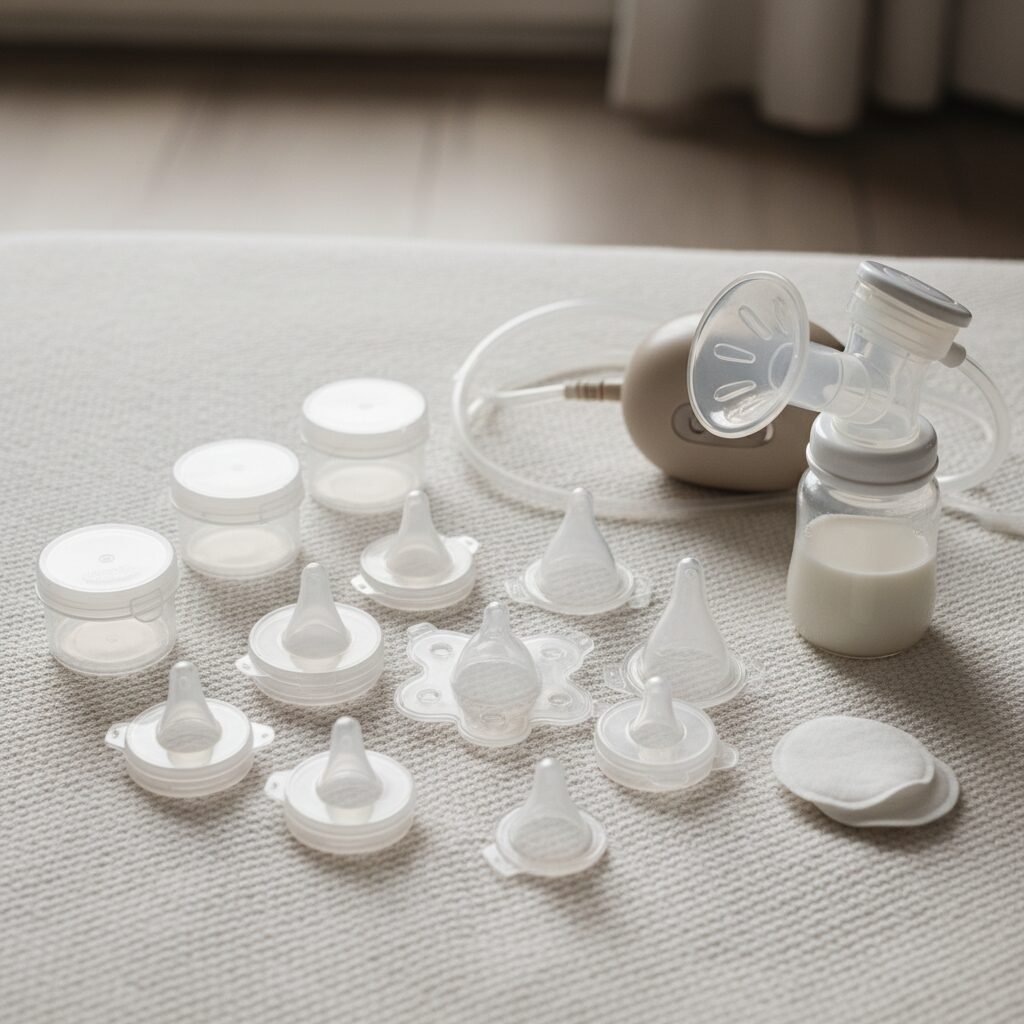
Before we discuss leaving the nipple shield behind, it’s crucial to honor its role. This tool is often introduced during moments of high stress and desperation, and it can be a true game-changer. An International Board Certified Lactation Consultant (IBCLC) might recommend a shield for several evidence-based reasons:
- Anatomical Challenges: For mothers with flat, inverted, or very large nipples, the shield provides a firmer, more elongated shape that can be easier for a baby to draw into their mouth and stimulate their palate to initiate sucking.
- Prematurity or Disorganized Suck: Premature infants or babies with certain neurological challenges may have a weak or uncoordinated suck. The shield provides more defined sensory input, helping them organize their suck-swallow-breathe pattern more effectively.
- Latch Difficulty and Pain: In the early days, a shallow latch can cause significant nipple pain and trauma. A shield can provide a temporary barrier, allowing nipples to heal while still keeping the baby at the breast.
While it’s a valuable intervention, long-term, unmonitored use can sometimes present challenges. Some potential concerns include a possible (though not guaranteed) reduction in milk transfer, which could impact milk supply over time because the shield can slightly dull the nerve stimulation to the nipple and areola. Additionally, both mother and baby can become dependent on it, making feeds outside the home feel more complicated. Recognizing the shield as a helpful, temporary tool rather than a permanent fixture is the first mental step toward a successful transition.
Readiness Checklist: Are You and Baby Truly Ready?

Readiness Checklist: Are You and Baby Truly Ready?
Timing is everything. Attempting to wean from the shield before both you and your baby are ready can lead to frustration and setbacks. This isn’t about rushing; it’s about finding the right window of opportunity. Before you begin, take a moment to honestly assess the situation. A successful transition is more likely if you can check off most of the items on this list:
For Baby:
- Age and Strength: Your baby is ideally at least 4-6 weeks old. By this point, they have more oral muscle strength and stamina for feeding.
- Effective Milk Transfer: Your baby is feeding well with the shield. They have plenty of wet and dirty diapers, are gaining weight appropriately, and seem satisfied after feeds. This shows they have the fundamentals of feeding down.
- Active Sucking: You can see and hear your baby actively sucking and swallowing during feeds, not just passively comfort nursing. They have a strong, rhythmic draw.
- General Health: Your baby is not currently sick, teething intensely, or going through a major developmental leap (like a sleep regression), which can make them less adaptable to change.
For You:
- Pain-Free Nursing: The original issue that led to the shield (e.g., nipple pain, damage) has been resolved. Your nipples have healed and you’re no longer in pain while nursing with the shield.
- Emotional Capacity: You feel mentally and emotionally ready to take on this challenge. This process requires patience and can be a bit of an emotional rollercoaster. Ensure you have a good support system in place.
- A Calm Environment: You can dedicate a few days to focus on this process without major life stressors or a packed schedule. Choose a quiet weekend or a calm week to begin.
Remember, this is a checklist, not a test. If you’re not quite there, that’s perfectly okay. It’s better to wait another week or two and try again when the conditions are more favorable for success.
The Step-by-Step Weaning Plan: A Gentle Approach

The Step-by-Step Weaning Plan: A Gentle Approach
This process is a dance, not a battle. You are teaching your baby a new skill. Approach it with patience, flexibility, and a lot of grace for both of you. You may need to move back and forth between these steps, and that is normal. The goal is progress, not immediate perfection.
- Maximize Skin-to-Skin Contact: Before you even attempt a feed without the shield, spend as much time as possible with your baby skin-to-skin. Let them lie on your bare chest, not in a feeding context. This helps regulate their temperature and heart rate, releases calming hormones for both of you, and allows them to get comfortable near the breast, exploring with their hands and mouth without any pressure to latch.
- Timing is Everything: Try to offer the bare breast when your baby is calm and slightly sleepy, but not ravenously hungry. A frantic, starving baby is not in a good learning state and will likely get frustrated quickly. Good times to try are in the middle of the night, right after waking from a nap, or even in a warm bath together.
- The ‘Bait and Switch’ Technique: This is one of the most effective methods. Start the feeding as you normally would, with the nipple shield in place. Let your baby nurse for a few minutes until your milk has let down and is flowing well. Then, quickly but calmly, slide your pinky finger into the corner of their mouth to break the suction, slip the shield off, and immediately guide them back to your bare breast. The fast flow of milk can entice them to keep nursing.
- Offer the Bare Breast First: As an alternative to the ‘bait and switch,’ you can try offering the bare breast for a minute or two at the very beginning of a feed. If your baby gets frustrated, don’t push it. Simply put the shield on and proceed with the feeding. The goal is a positive association with the breast, so end on a successful note, even if it’s with the shield.
- Master Your Latch & Positioning: Revisit the fundamentals of a deep latch. Hold your baby ‘tummy to mummy,’ with their head, neck, and back aligned. Support your breast using a C-hold (thumb on top, fingers below, well back from the areola) and compress it slightly to make a ‘breast sandwich.’ Tickle their top lip with your nipple to encourage a wide gape, and when their mouth is open wide like a yawn, bring them swiftly onto the breast, aiming your nipple toward the roof of their mouth.
- Experiment with Positions: Sometimes a change of scenery is all it takes. The laid-back or ‘biological nurturing’ position, where you are semi-reclined and baby lies on top of you, can use gravity to your advantage and encourage baby’s innate latching reflexes. The football hold can also be effective as it gives you more control over your baby’s head.
- Patience, Not Perfection: You might have one successful latch without the shield, followed by three feeds where you need it again. This is not a failure! Celebrate every small victory. If you both get frustrated, take a break, cuddle, and try again later. Your emotional state matters immensely.
Troubleshooting Common Challenges

Troubleshooting Common Challenges
Even with the best plan, you may encounter some resistance. Here’s how to navigate the most common hurdles.
My Baby Cries and Refuses the Breast
This is heartbreaking, but it’s not a rejection of you. Your baby has simply developed a preference for the familiar texture and shape of the shield. Strategy: Stop immediately. Do not force them. Comfort your baby, and if they are still hungry, finish the feed with the shield. The key is to avoid creating a negative association with the breast (a ‘breast aversion’). Go back to pressure-free skin-to-skin time. Try again when they are sleepier and less aware. Remember, any amount of time latched without the shield is a win, even if it’s just for ten seconds.
I’m Worried About My Milk Supply
It’s a valid concern. A baby’s latch directly on the breast is typically more effective at stimulating milk production. Strategy: As you wean, pay close attention to your baby’s output (diapers) and your breast fullness. If you have any concerns, you can add in a short pumping session after a few feeds each day. This not only protects your supply but also gives you some expressed milk to have on hand, which can be used to drip onto the breast to entice your baby to latch.
The Pain is Coming Back
If you experience pain when your baby latches without the shield, stop. Pain is a signal that the latch is likely shallow. Strategy: Unlatch and try again. Focus on getting a deep, asymmetrical latch where the baby takes in more of the areola below the nipple than above. If pain persists, it is a clear sign that you need professional, hands-on help. There may be an underlying issue, such as a tongue or lip tie, that needs to be assessed by an IBCLC or a pediatric specialist.
When to Seek Professional Help: Building Your Support Village

When to Seek Professional Help: Building Your Support Village
You do not have to do this alone. In fact, weaning from a nipple shield is one of the top reasons parents seek professional lactation support. If you’ve been trying for a week or two and are feeling stuck, or if you’re experiencing pain, it’s time to call in your support village.
An International Board Certified Lactation Consultant (IBCLC) is the gold standard for clinical breastfeeding care. They can:
- Perform a full oral assessment on your baby to check for tongue-ties, lip-ties, or high palates.
- Assess your breast anatomy and the baby’s latch in real-time.
- Provide hands-on help with positioning and latching techniques.
- Create a personalized, step-by-step care plan for you and your baby.
- Offer weighted feeds to precisely measure how much milk your baby is transferring with and without the shield, providing valuable peace of mind.
Other resources like La Leche League meetings or local breastfeeding support groups can provide invaluable peer support and encouragement. Hearing from other mothers who have successfully navigated this challenge can be incredibly empowering. Never hesitate to reach out. Investing in professional support is an investment in your health, your baby’s health, and the longevity of your breastfeeding relationship.
Conclusion
The journey of ditching the nipple shield is a testament to your resilience as a mother. It requires patience, intuition, and a deep connection with your baby. Remember to celebrate every small step forward and to treat yourself with the same compassion you so freely give to your child. Some babies transition in a day; for others, it takes weeks of patient effort. There is no right or wrong timeline.
Whether you eventually breastfeed without a shield, continue to use it, or choose a different feeding path altogether, what matters most is that your baby is fed and loved. You are doing an incredible job. Trust your instincts, lean on your support system, and know that you have everything you need to make the best decision for your unique family.
Disclaimer: This article is for informational purposes only and does not constitute medical advice. The information contained herein is not a substitute for and should never be relied upon for professional medical advice. Always talk to your doctor, pediatrician, or an International Board Certified Lactation Consultant (IBCLC) for any health-related questions or concerns.