

Craving Fire? Does Eating Spicy Food Mean You’re Having a Boy?
You find yourself reaching for the hot sauce at every meal, dousing your food in a fiery layer you never would have considered before pregnancy. A well-meaning relative winks and says, ‘All that spice? You must be having a boy!’ It’s a comment you’ve likely heard before, one of many passed down through generations. The journey of pregnancy is filled with these little moments of mystery and anticipation, and trying to guess your baby’s gender is a time-honored tradition that connects us to the parents who came before.
While these predictions are a fun and exciting part of the experience, they can also bring a swirl of questions. Are they true? What do these intense cravings really mean? You’re not alone in wondering. In this guide, we’ll walk together through the heart of this spicy myth, offering both the comfort of shared experience and the clarity of science. We’ll explore why you might be craving heat, whether it’s safe for you and your baby, and what your body is truly trying to tell you during this incredible time.
The Enduring Allure of Gender Prediction Myths
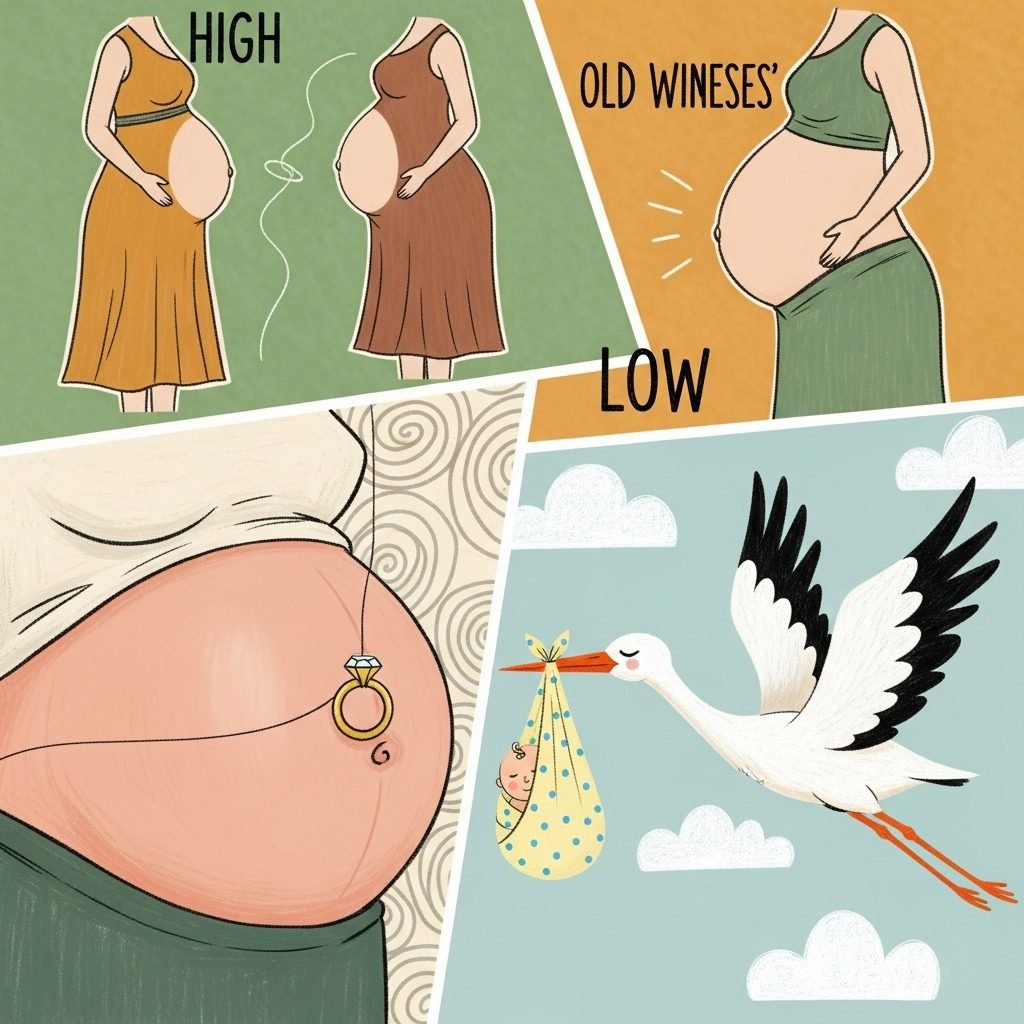
From the moment you announce your pregnancy, the predictions begin. It seems everyone has a theory, a test, or a tale about who might be growing inside you. These stories are woven into the fabric of pregnancy culture, creating a sense of community and shared excitement. They are a way to bond, to dream, and to feel connected to the little person you have yet to meet.
Pregnancy is a time of profound mystery. These myths are our way of trying to hold a candle in the dark, to find patterns in the beautiful chaos of creating life.
Let’s be honest, they’re incredibly fun! Who hasn’t dangled a wedding ring over their belly or analyzed the baby’s heart rate? Some of the most common tales you might hear include:
- Sweet vs. Salty/Spicy: Craving sweets means it’s a girl, while salty, sour, or spicy cravings point to a boy.
- Morning Sickness: Severe morning sickness suggests a girl, while a smoother first trimester points to a boy.
- Carrying High vs. Low: If your bump is high, it’s a girl. If you’re carrying low, it’s a boy.
- Baby’s Heart Rate: A faster heart rate (over 140 bpm) is said to be a girl, while a slower one indicates a boy.
- The Glow: If you have that ‘pregnancy glow’ and beautiful skin, it’s a boy. If you’re dealing with acne, it’s because the girl is ‘stealing your beauty.’
These tales persist not because they are accurate, but because they are about connection. They are conversation starters, icebreakers, and a playful way to manage the long nine months of waiting. They give us something to focus on while our bodies are busy with the monumental task of building a human from scratch. So, as we dive into the science, remember to hold onto the joy and fun these myths provide, even as we seek out the facts.
What Science Says About Pregnancy Cravings
While the ‘spicy for a boy’ theory is a fun anecdote, science offers a different, more complex explanation for why you suddenly can’t get enough jalapeños. Your pregnancy cravings are the result of a powerful cocktail of physiological and psychological changes. There is no scientific evidence linking the type of craving—be it spicy, sweet, or sour—to the biological sex of your baby.
The Hormonal Symphony
The primary conductor of this orchestra is your hormones. During pregnancy, your body is flooded with them, and they have a profound impact on your senses:
- Human Chorionic Gonadotropin (hCG): This is the hormone that pregnancy tests detect. Its levels skyrocket in the first trimester, and it’s heavily linked to morning sickness and the food aversions that often come with it.
- Estrogen and Progesterone: These hormones are essential for maintaining a healthy pregnancy, but they can also significantly alter your sense of taste and smell. This is why your favorite perfume might suddenly seem repulsive, or why you’re craving foods you never used to like. This phenomenon, known as dysgeusia, can cause a metallic taste in the mouth for some, leading them to crave strong flavors like spicy or sour foods to overcome it.
Nutritional Needs and Instincts
Sometimes, a craving can be your body’s not-so-subtle way of asking for something it needs. While craving a specific spicy dish isn’t a direct call for a vitamin, the underlying profile might be. For example, some spicy cuisines are rich in vegetables (Vitamin C) or meat (iron). The body’s intelligence is ancient and profound, and it’s always working to get what it needs to support you and your growing baby. However, it’s not a perfect system—which is why you might crave nutrient-poor foods as well. This is where a balanced prenatal diet becomes so important, to ensure you’re meeting your foundational needs.
Navigating Your Cravings: Is Spicy Food Safe During Pregnancy?

So you’ve embraced your craving for all things spicy. The next logical question for any expectant parent is, ‘Is this safe?’ The reassuring answer is: yes, for the vast majority of pregnancies, eating spicy food is perfectly safe for your baby. Your baby is well-protected in the amniotic sac and won’t feel the ‘burn’ you do. The flavor compounds don’t pass through in a way that can harm them.
The real issue with spicy food during pregnancy isn’t about the baby’s safety, but about your comfort. Pregnancy can already bring on a host of digestive challenges, and spicy foods can sometimes exacerbate them.
Managing Potential Discomfort
- Heartburn and Indigestion: This is the most common complaint. As your uterus grows, it pushes up on your stomach, which can force stomach acid into your esophagus. Progesterone also relaxes the valve that separates the esophagus and stomach, making acid reflux more likely. Spicy foods are a known trigger for heartburn.
- Stomach Upset: If you weren’t a big fan of spicy food before pregnancy, jumping into extra-hot dishes might upset your digestive system.
Tips for Enjoying Spice Safely and Comfortably
You don’t have to give up your favorite spicy dishes. It’s all about listening to your body and making small adjustments.
- Start Small: If you’re new to spice, begin with milder options like paprika or a mild salsa and see how your body reacts.
- Eat Smaller, More Frequent Meals: This can prevent your stomach from getting too full, reducing the pressure that leads to heartburn.
- Avoid Late-Night Spice: Try not to eat spicy foods within a few hours of bedtime. Lying down can make acid reflux worse.
- Have a ‘Cool Down’ Ready: Dairy products like milk, yogurt, or a lassi can help neutralize the capsaicin (the compound that makes peppers hot) and soothe a burning mouth and stomach.
- Stay Hydrated: Drink plenty of water throughout the day, but try to sip it between meals rather than chugging a large amount during your meal.
Listen to your body with kindness. It’s working incredibly hard. If a certain food doesn’t feel good, it’s okay to set it aside for now. There’s no prize for pushing through discomfort.
The Only Surefire Ways to Determine Your Baby’s Gender

When you’re ready to move past the myths and get a definitive answer about your baby’s gender, modern medicine offers several highly accurate methods. Each has its own timeline and purpose, so it’s important to discuss them with your healthcare provider to understand what’s right for your family and your pregnancy journey.
Waiting for that ultrasound or test result can feel like an eternity, but it’s also a special time filled with its own unique brand of magic. Knowing the facts about each option can help you feel more prepared and empowered as you approach these milestones.
| Method | When It’s Typically Done | How It Works | Accuracy |
|---|---|---|---|
| Mid-Pregnancy Ultrasound | 18-22 weeks | A sonographer uses high-frequency sound waves to create an image of the baby. If the baby is in a good position, they can visually identify the genitalia. | ~98-99% (highly dependent on baby’s position and technician skill) |
| Non-Invasive Prenatal Testing (NIPT) | As early as 10 weeks | A simple blood test for the pregnant parent that analyzes small fragments of the baby’s DNA circulating in their bloodstream to screen for chromosomal abnormalities. It can also accurately identify sex chromosomes (XX for female, XY for male). | Over 99% for gender identification. |
| Chorionic Villus Sampling (CVS) | 10-13 weeks | A diagnostic test where a small sample of cells is taken from the placenta. It’s typically used to test for genetic or chromosomal conditions. It is an invasive procedure with a small risk of miscarriage. | Over 99% for gender identification. |
| Amniocentesis | 15-20 weeks | A diagnostic test where a small amount of amniotic fluid is withdrawn from the uterus. Like CVS, it’s primarily for testing for genetic conditions and carries a small risk of miscarriage. | Over 99% for gender identification. |
It’s important to remember that CVS and amniocentesis are invasive diagnostic tools that are generally recommended only when there is a medical reason to perform them, not just for gender determination. The NIPT and ultrasound are the most common and non-invasive ways that parents find out the sex of their baby.
Conclusion
The journey to parenthood is a rich tapestry of emotions, experiences, and yes, even cravings for fiery foods. While the old wives’ tale of spice signaling a boy is a delightful piece of folklore, the reality is that your cravings are a unique and personal conversation between you and your changing body. They are driven by a complex interplay of hormones and nutritional needs, not a secret message about your baby’s gender.
Embrace the fun of the guessing games, share the myths with a smile, but find peace in the knowledge that your body is simply doing what it needs to do. Whether you’re team boy, team girl, or team ‘healthy baby,’ the most important thing is to nourish yourself with kindness, listen to your body’s cues, and enjoy the incredible, mysterious, and wonderful process of growing your family. The true revelation isn’t what’s on your plate, but the little one you’ll soon be holding in your arms.
Medical Disclaimer
The information provided in this article is for informational purposes only and is not intended as a substitute for professional medical advice, diagnosis, or treatment. Always seek the advice of your physician or other qualified health provider with any questions you may have regarding a medical condition or your pregnancy. Never disregard professional medical advice or delay in seeking it because of something you have read in this article.