
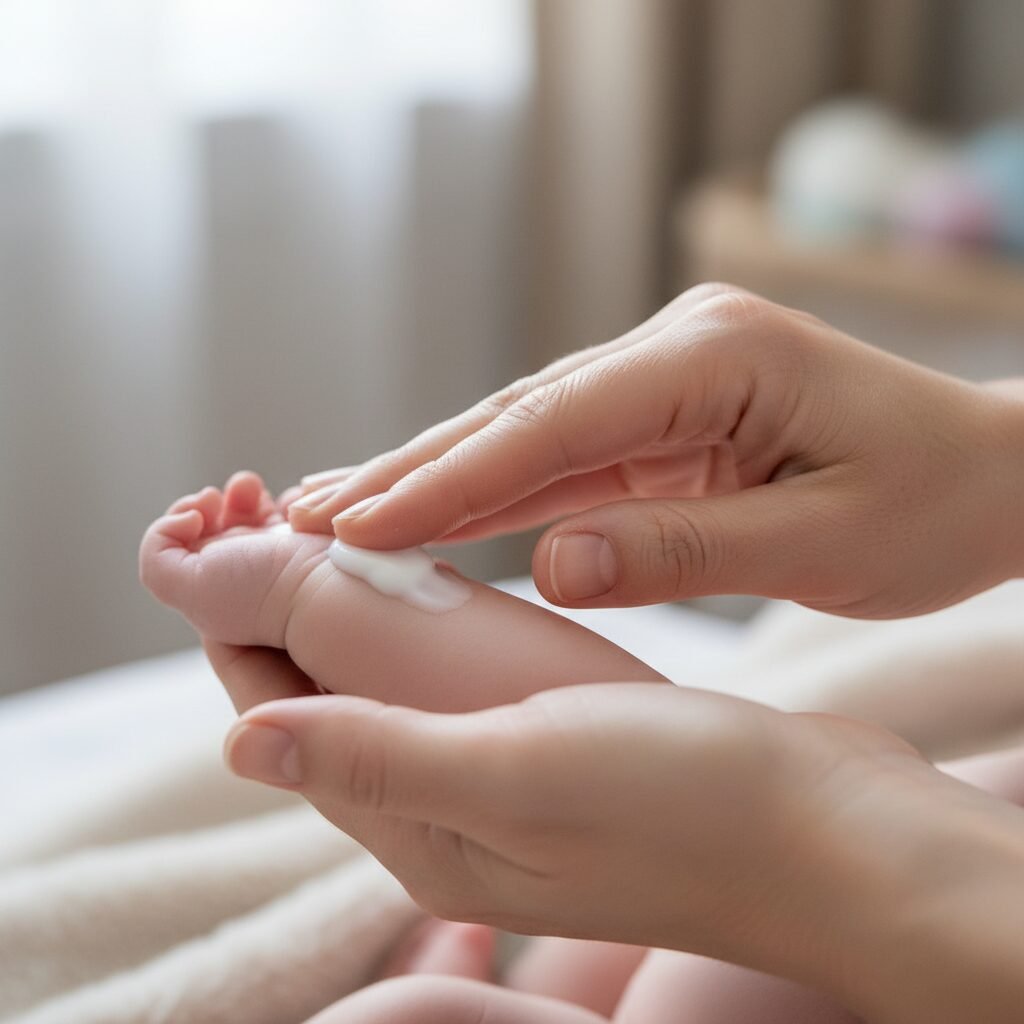
The Only Lotion Routine That Saved My Newborn’s Dry, Red Skin
Welcoming a newborn into your life is an unparalleled joy, filled with moments of wonder and overwhelming love. However, alongside the cuddles and coos, new parents often encounter unexpected challenges, and one of the most common—and often distressing—is navigating their baby’s delicate skin. It’s heartbreaking to see your tiny, perfect baby develop dry, red, or flaky patches, prompting a flurry of questions and a desperate search for solutions.
As a certified Doula and Maternal Health Educator, I’ve supported countless families through the early weeks and months of parenthood, and I understand the anxiety that can arise from seeing your baby in discomfort. Many parents feel overwhelmed by the sheer volume of information and products available, unsure of how to properly care for their newborn’s sensitive skin. You might wonder if it’s eczema, a simple rash, or something else entirely. Rest assured, you are not alone in this experience.
This article is designed to be your trusted resource, providing an empathetic, fact-based, and actionable guide to nurturing your newborn’s skin back to health. We will demystify the common causes of dry and red skin in infants, arm you with the knowledge to choose safe and effective products, and, most importantly, introduce you to a proven, gentle lotion routine that has brought immense relief to many families. By the end, you’ll feel confident and empowered to give your baby the gentle care their delicate skin deserves.
Understanding Newborn Skin: Delicate and Developing

A newborn’s skin is a marvel of nature, but it’s also incredibly delicate and still developing. Unlike adult skin, which has a robust barrier, infant skin is thinner, more permeable, and more susceptible to environmental factors. This means it can lose moisture more rapidly and is more prone to irritation and dryness.
Here’s what makes newborn skin unique:
- Thinner Stratum Corneum: The outermost layer of a baby’s skin, the stratum corneum, is about 30% thinner than an adult’s. This reduced thickness means it offers less protection against irritants and has a lower capacity to retain moisture.
- Developing Skin Barrier: The skin barrier, composed of lipids and proteins, acts as a shield against external threats and prevents excessive water loss. In newborns, this barrier is still maturing, making them more vulnerable to dryness, redness, and sensitivity.
- Higher Surface Area to Volume Ratio: Babies have a larger skin surface area relative to their body volume compared to adults. This contributes to faster water loss through the skin (transepidermal water loss) and increases their susceptibility to environmental changes.
- Immature Sweat Glands: While newborns can sweat, their sweat glands are not as fully developed as an adult’s, which can impact their ability to regulate body temperature and skin hydration.
It’s important to differentiate between common, usually harmless newborn skin conditions and persistent dryness or redness. Conditions like baby acne, cradle cap (seborrheic dermatitis), and erythema toxicum neonatorum (a common newborn rash) are typically transient and resolve on their own. However, persistent dry, red, or flaky skin, especially accompanied by discomfort, may indicate a need for a specific care routine or could be a sign of conditions like eczema.
“A baby’s skin is not just a miniature version of adult skin; it’s a unique organ with distinct physiological characteristics that demand specialized care and gentle attention.”
Identifying the Culprits: What Causes Dry, Red Skin in Newborns?
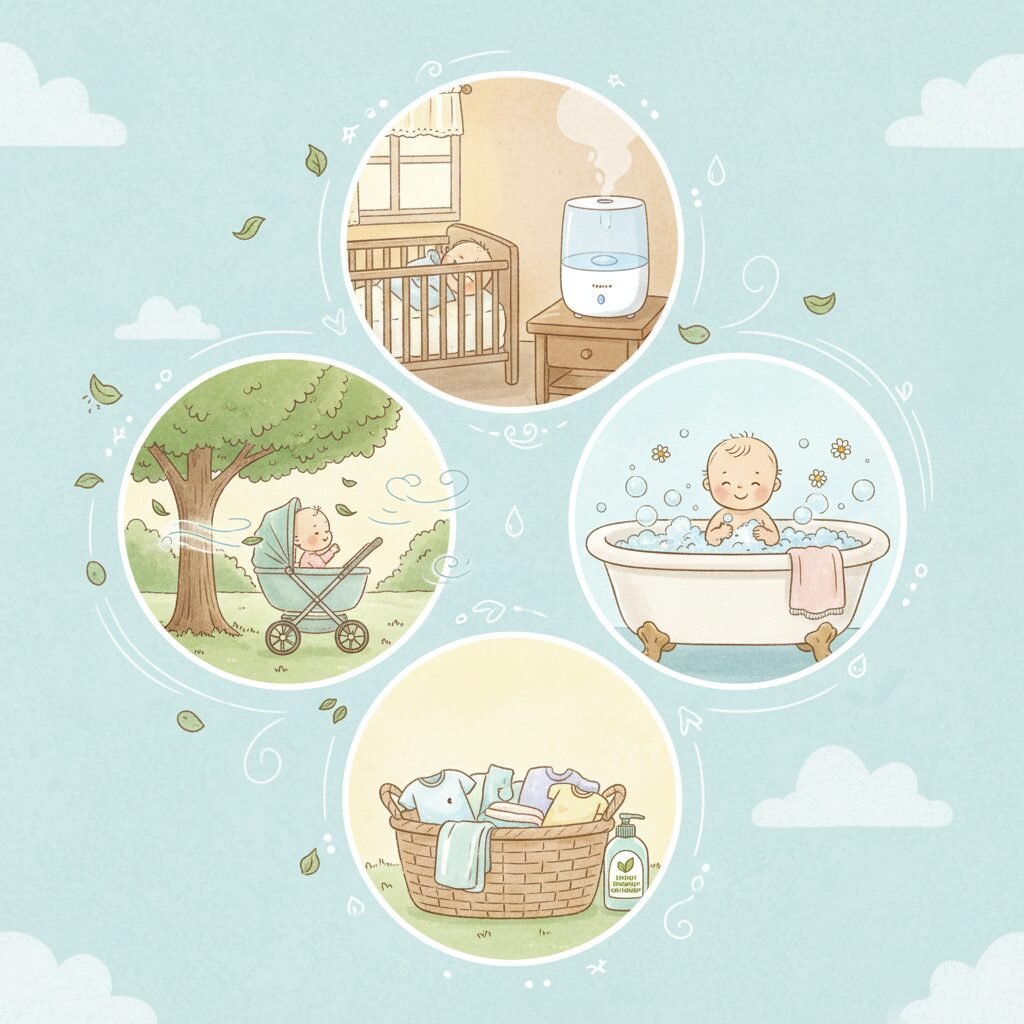
Understanding the root causes of your newborn’s dry, red skin is the first step toward effective treatment. Often, it’s a combination of environmental factors, product choices, and sometimes, underlying genetic predispositions. Pinpointing these culprits can help you make informed adjustments to your baby’s care routine.
Common Causes of Dryness and Redness:
- Over-Bathing or Hot Water: While a warm bath can be soothing, frequent or prolonged baths, especially with hot water, can strip the natural oils from your baby’s skin, leading to dryness. Harsh soaps and bubble baths exacerbate this issue.
- Harsh Soaps and Cleansers: Many standard soaps contain sulfates, fragrances, and dyes that can be incredibly irritating to a newborn’s sensitive skin, disrupting its natural pH balance and barrier function.
- Environmental Factors: Dry air, particularly in heated or air-conditioned homes, can draw moisture away from the skin. Cold, windy weather can also contribute to chapping and dryness.
- Laundry Detergents and Fabric Softeners: Residues from conventional laundry products, often laden with fragrances and chemicals, can irritate a baby’s skin through contact with clothing, blankets, and bedding.
- Genetics and Eczema (Atopic Dermatitis): If there’s a family history of eczema, asthma, or hay fever, your baby may be predisposed to developing eczema, a chronic inflammatory skin condition characterized by dry, itchy, red patches.
- Contact Irritants: Certain materials (like wool), wipes containing alcohol or strong fragrances, or even saliva from drooling can irritate delicate skin, leading to localized redness and dryness.
Observing when and where the dryness or redness appears can offer clues. For instance, dry patches on the cheeks might suggest irritation from drool or exposure to cold air, while widespread dryness could point to bath routines or environmental factors. It’s a detective job, but with careful observation, you can often identify the primary triggers.
The Foundation of Care: Choosing the Right Products
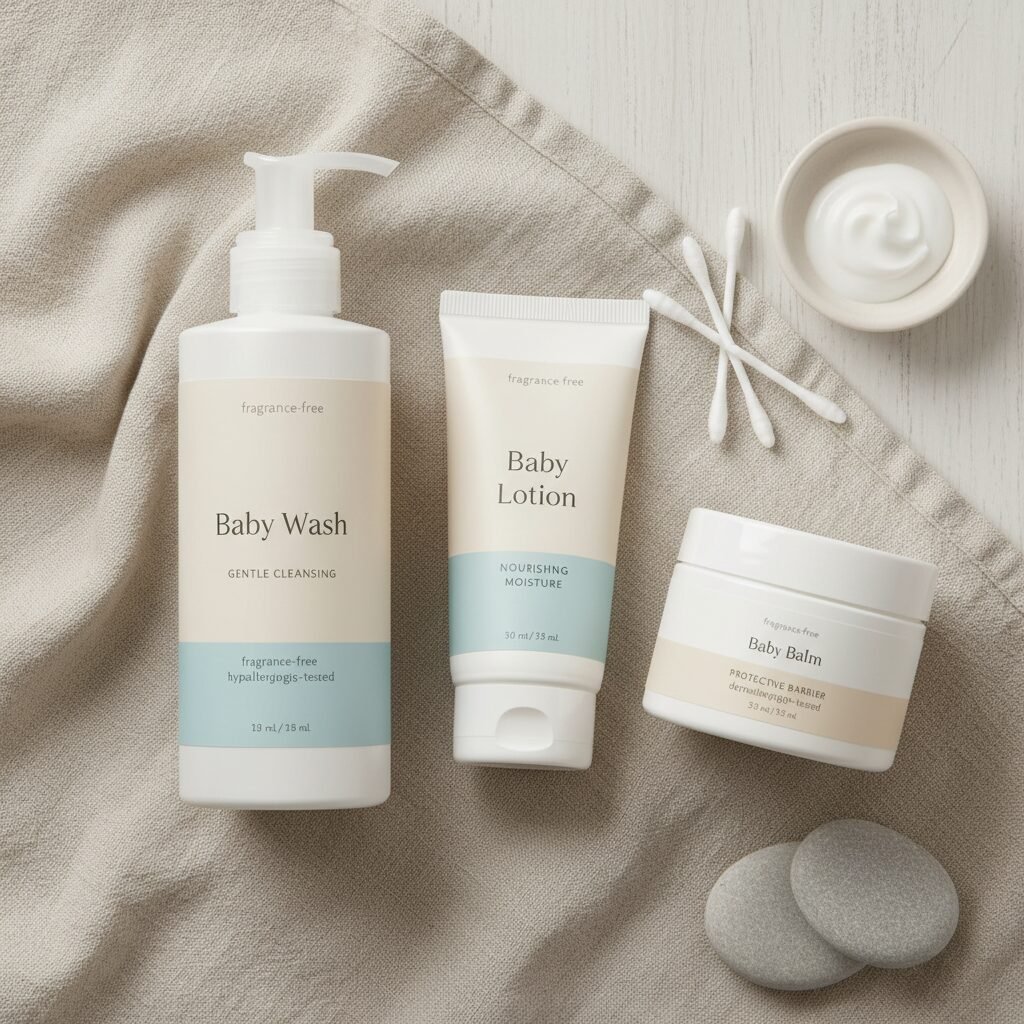
Selecting the right skincare products for your newborn is paramount. The market is flooded with options, making it challenging to discern what’s truly beneficial versus what might cause further irritation. The key is to prioritize gentle, hypoallergenic, and fragrance-free formulations that support the skin’s natural barrier.
What to Look For in Baby Skincare Products:
- Fragrance-Free and Dye-Free: These are non-negotiables. Fragrances and dyes are common irritants and allergens. Always choose products explicitly labeled ‘fragrance-free’ and ‘dye-free.’
- Hypoallergenic: While not a guarantee against all reactions, hypoallergenic products are formulated to minimize the risk of allergic responses.
- Dermatologist-Tested/Pediatrician-Recommended: Products that have undergone testing by skin specialists are often a safer bet.
- Key Moisturizing Ingredients: Look for lotions and creams containing ingredients known to support the skin barrier and lock in moisture.
Ingredients to Prioritize:
- Ceramides: These are lipids naturally found in the skin barrier, crucial for maintaining moisture and protection.
- Glycerin: A humectant that draws moisture from the air into the skin.
- Hyaluronic Acid: Another powerful humectant that can hold a significant amount of water.
- Petrolatum (Petroleum Jelly): An occlusive agent that forms a protective barrier on the skin, preventing water loss.
- Mineral Oil: A gentle, non-comedogenic occlusive.
- Shea Butter/Cocoa Butter: Natural emollients that soften and smooth skin.
Ingredients to Avoid:
- Fragrances (Natural & Synthetic): Even ‘natural’ fragrances can be irritating.
- Dyes/Colorants: Serve no purpose for skin health and can cause reactions.
- Alcohols: Can be very drying (e.g., isopropyl alcohol, ethanol).
- Parabens & Phthalates: Preservatives and plasticizers that some studies suggest may have endocrine-disrupting properties.
- Sulfates (SLS/SLES): Harsh cleansing agents that can strip natural oils.
- Essential Oils: While natural, they can be potent irritants for sensitive newborn skin.
| Ingredients to Prioritize | Ingredients to Avoid |
|---|---|
| Ceramides | Fragrances (Natural & Synthetic) |
| Glycerin | Dyes/Colorants |
| Hyaluronic Acid | Drying Alcohols (e.g., Isopropyl Alcohol) |
| Petrolatum (Petroleum Jelly) | Parabens & Phthalates |
| Mineral Oil | Sulfates (SLS/SLES) |
| Shea Butter/Cocoa Butter | Essential Oils |
When choosing cleansers for bath time, opt for a mild, pH-neutral, soap-free wash. For laundry, select a ‘free and clear’ detergent specifically designed for sensitive skin, and avoid fabric softeners and dryer sheets altogether.
The Essential Lotion Routine: Step-by-Step for Soothed Skin

This is the core of our strategy: a consistent, gentle lotion routine that focuses on hydration and barrier protection. Consistency is key here; daily application, especially after bathing, will yield the best results. Remember to always have clean hands before touching your baby’s skin.
The Gentle Lotion Routine:
- Limited Bathing with Lukewarm Water: For newborns, 2-3 baths per week are usually sufficient, unless there’s a need for more frequent cleaning (e.g., after a significant diaper blowout). Use lukewarm, not hot, water. The bath should be brief—5 to 10 minutes maximum. Add a few drops of a mild, fragrance-free baby wash to the water only if needed, and avoid bubble baths entirely. The goal is to cleanse without stripping natural oils.
- Pat Dry, Don’t Rub: Immediately after the bath, gently lift your baby out and wrap them in a soft, clean towel. Instead of rubbing, gently pat their skin dry. Pay special attention to skin folds (neck, armpits, groin) to ensure they are completely dry to prevent irritation and yeast growth. Leave the skin slightly damp to aid in moisture absorption from the lotion.
- Apply Lotion Within Three Minutes: This is a critical step, often referred to as the ‘three-minute rule.’ While your baby’s skin is still slightly damp (but not wet), generously apply a thick, emollient-rich cream or ointment. Lotions are typically lighter and contain more water, while creams and ointments are thicker and more effective at sealing in moisture.
- Gentle Massage and Application: Dispense a generous dollop of cream into your hands and warm it slightly by rubbing your palms together. Then, gently massage the cream into your baby’s skin using broad, soft strokes. Cover all areas, paying extra attention to any dry or red patches. Work from head to toe, ensuring even coverage. Avoid rubbing too vigorously, as this can cause friction and irritation.
- Daily Reapplication (and More if Needed): Beyond bath time, reapply the cream at least once, or ideally twice, daily. A good time is during diaper changes or before bedtime. For areas that are particularly dry or red, a targeted reapplication might be beneficial throughout the day. Consistency is paramount to rebuilding the skin barrier.
- Layering for Severe Dryness (Optional): For very dry or eczematous patches, some parents find success by layering. Apply a thin layer of cream first, allow it to absorb for a minute, and then apply a thin layer of petroleum jelly or a similar occlusive ointment over the dry areas to further seal in moisture. Consult with your pediatrician before implementing advanced techniques.
Remember, this routine is about creating a supportive environment for your baby’s skin to heal and thrive. Patience and consistency are your greatest allies.
Beyond Lotion: Holistic Approaches to Newborn Skin Health

While a diligent lotion routine is fundamental, integrating holistic practices into your daily life can significantly enhance your newborn’s skin health and overall well-being. These measures address environmental factors and potential irritants that might undermine your skincare efforts.
Creating a Skin-Friendly Environment:
- Maintain Optimal Humidity: Dry indoor air, especially during colder months or with air conditioning, can strip moisture from the skin. Using a cool-mist humidifier in your baby’s nursery can help maintain comfortable humidity levels (ideally between 40-60%), which is beneficial for skin and respiratory health. Ensure the humidifier is cleaned regularly to prevent mold growth.
- Dress Appropriately: Choose soft, breathable fabrics like 100% cotton for your baby’s clothing and bedding. Avoid wool or synthetic materials that can be irritating or cause overheating, which can exacerbate skin dryness and rashes. Dress your baby in layers that can be easily removed to prevent sweating.
- Gentle Laundry Practices: Always wash your baby’s clothes, blankets, and anything that comes into contact with their skin separately using a ‘free and clear’ detergent. These detergents are formulated without fragrances, dyes, and harsh chemicals. Avoid fabric softeners and dryer sheets, as they leave residues that can irritate sensitive skin. Double-rinsing laundry can also help remove any lingering detergent.
- Protect from Extreme Temperatures: Shield your baby from harsh sun, cold winds, and extreme heat. When outdoors, use hats, protective clothing, and seek shade. In colder weather, ensure exposed skin (like cheeks) is protected.
- Hydration for Breastfeeding Mothers: If you are breastfeeding, ensure you are adequately hydrated. While direct links to infant skin hydration are complex, a healthy maternal diet and hydration support overall milk quality and baby health.
- Avoid Irritants: Be mindful of strong perfumes, scented candles, or air fresheners in your home, as these can release airborne irritants that may affect your baby’s delicate skin and respiratory system.
By thoughtfully addressing these environmental and lifestyle factors, you create a comprehensive strategy for supporting your newborn’s skin health, moving beyond just topical treatments to a truly holistic approach.
When to Seek Professional Advice: Recognizing Red Flags

While many cases of dry, red skin in newborns can be effectively managed with a consistent and gentle lotion routine, it’s crucial for new parents to know when to seek professional medical advice. There are instances where the condition might be more serious or require prescription treatment. Trust your parental instincts; if something feels off, it’s always best to consult your pediatrician.
Signs That Warrant a Doctor’s Visit:
- Persistent or Worsening Rash: If the dry, red skin doesn’t improve after a week or two of consistent at-home care, or if it appears to be spreading or worsening despite your efforts.
- Intense Itching or Discomfort: If your baby seems excessively itchy, is scratching (even indirectly), or appears uncomfortable and irritable due to their skin condition, it’s a sign to seek help. Severe itching can disrupt sleep and feeding.
- Signs of Infection: Look out for signs of bacterial or fungal infection, which can sometimes occur if the skin barrier is compromised. These include:
- Yellowish crusting or pus-filled blisters
- Red streaks spreading from a rash
- Swelling or warmth around the affected area
- Fever accompanying the rash
- Blistering or Oozing: Any skin lesions that are blistering, oozing, or weeping fluid should be evaluated by a medical professional promptly.
- Severe Redness or Inflammation: If the skin is extremely red, swollen, or hot to the touch, it could indicate a more significant inflammatory process.
- Rash with Other Symptoms: If the skin condition is accompanied by other concerning symptoms like fever, poor feeding, lethargy, or unusual fussiness, it’s imperative to contact your pediatrician immediately.
- Eczema (Atopic Dermatitis) Concerns: If you suspect your baby has eczema, especially if there’s a family history, your pediatrician can provide a diagnosis and discuss specific management strategies, which might include prescription topical corticosteroids or other treatments.
Your pediatrician can accurately diagnose the underlying cause of your baby’s skin issues and recommend the most appropriate course of action. They can differentiate between common rashes, eczema, allergic reactions, and other dermatological conditions, ensuring your baby receives the best possible care.
“As parents, we are our child’s first and most important advocate. When in doubt about your baby’s health, always reach out to your pediatrician. Their expertise is invaluable.”
Conclusion
Navigating the early stages of parenthood comes with its unique set of challenges, and witnessing your newborn struggle with dry, red skin can undoubtedly be one of the more heart-wrenching. However, by understanding the delicate nature of infant skin, identifying potential irritants, and consistently applying a thoughtful, gentle lotion routine, you are empowering yourself to provide profound comfort and healing for your little one.
Remember that consistency, patience, and attention to detail are your most valuable tools. The ‘only lotion routine’ isn’t just about a specific product; it’s about a holistic approach to care that encompasses gentle bathing, meticulous product selection, and creating a supportive environment for your baby’s skin to thrive. Within a few days or weeks of dedicated care, you should begin to see remarkable improvements, bringing back the soft, supple skin you cherish.
Trust your instincts as a parent, and never hesitate to seek professional medical advice if you have concerns or if your baby’s skin condition doesn’t improve. You are doing an incredible job, and with this knowledge, you are well-equipped to nurture your newborn’s delicate skin with confidence and love.
Medical Disclaimer: The information provided in this article is for general informational purposes only and does not constitute medical advice. It is not intended to be a substitute for professional medical advice, diagnosis, or treatment. Always seek the advice of your physician or other qualified health provider with any questions you may have regarding a medical condition or before starting any new treatment or routine. Never disregard professional medical advice or delay in seeking it because of something you have read in this article.


