

It’s Not Just Contractions: 5 Silent Signs Labor is Starting Soon
As your due date approaches, every twinge and ache can send your mind racing: ‘Is this it?’ We’ve all seen the movie scenes—a sudden, dramatic gush of water in the middle of a crowded place, followed by an immediate rush to the hospital with earth-shattering contractions. While that makes for great cinema, the reality of early labor is often much quieter, more gradual, and deeply personal.
Your body is incredibly intelligent. For weeks, and sometimes just days, before active labor begins, it’s making subtle preparations for childbirth. These early signs are often missed or dismissed as normal end-of-pregnancy discomforts. But understanding these signals can be empowering, helping you transition from a state of anxious waiting to one of calm, mindful preparation.
This guide is here to be your supportive friend and knowledgeable doula. We’ll walk you through five common yet often ‘silent’ signs that your body is getting ready for labor, helping you tune into its wisdom and feel more connected to the incredible process unfolding within you.
Sign #1: The ‘Lightening’ Drop – Breathing Easier and Waddling More
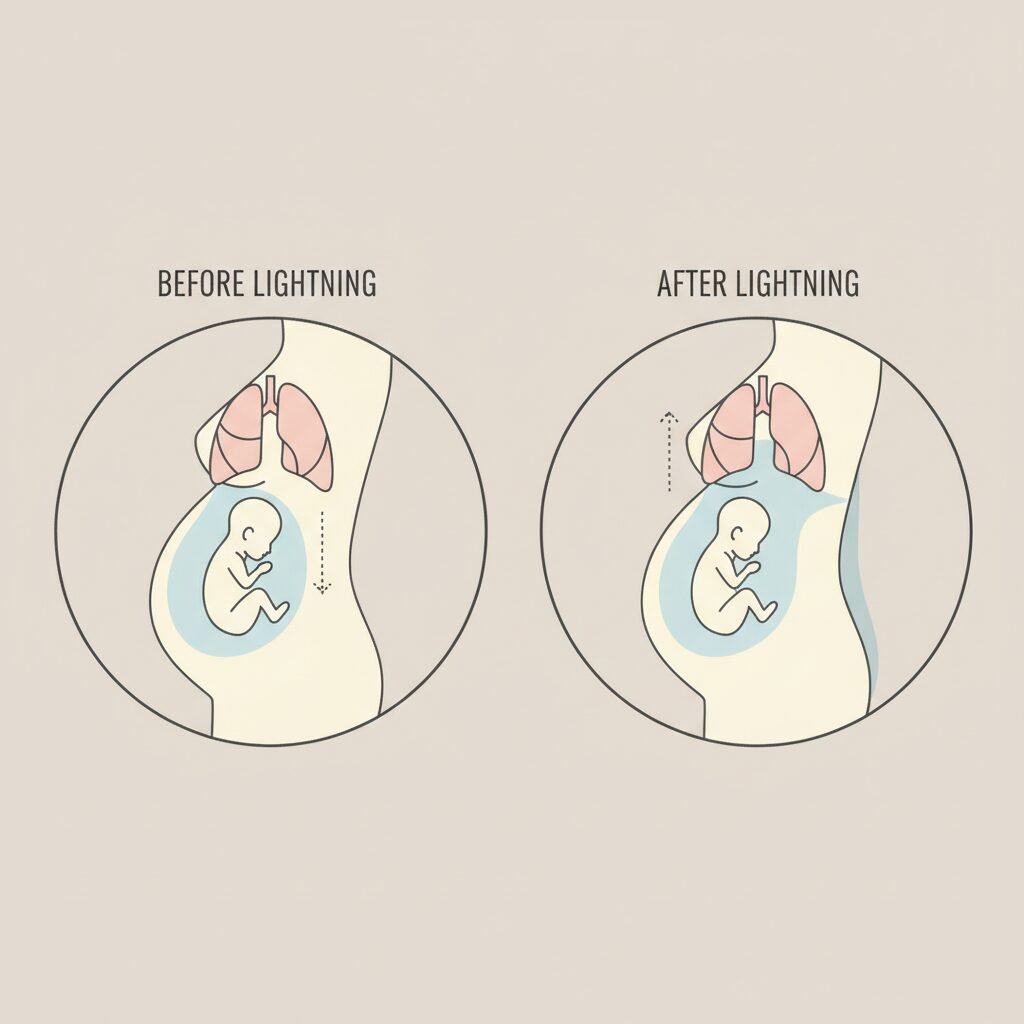
One of the first physical clues that your body is gearing up for labor is a phenomenon called ‘lightening.’ This is when your baby ‘drops,’ or descends lower into your pelvis, getting into position for birth. For first-time parents, this can happen several weeks before labor begins. For those who’ve given birth before, it might not happen until you’re already in early labor.
What Does Lightening Feel Like?
The experience of lightening brings a mix of relief and new discomforts. You might notice:
- Easier Breathing: With the baby no longer pressing up against your diaphragm, you may suddenly find you can take deeper, more satisfying breaths. It can feel like a weight has literally been lifted from your chest.
- Increased Pelvic Pressure: The trade-off for easier breathing is a new kind of pressure deep in your pelvis. It might feel like a heavy weight, almost like you’re carrying a bowling ball between your legs.
- More Frequent Urination: Your baby’s head is now putting direct pressure on your bladder, which means you’ll likely be making even more trips to the bathroom than before.
- The ‘Waddle’: The shift in your center of gravity and the pressure on your pelvis can change the way you walk. Many parents-to-be adopt a distinct waddle in these final days or weeks. Embrace it—it’s a sign of progress!
Remember to be gentle with yourself during this time. The increased pelvic pressure can be uncomfortable. Warm baths, a pregnancy support belt, and gentle pelvic tilts can offer significant relief.
Sign #2: Nesting Instinct – A Sudden Urge to Organize and Clean

Have you suddenly found yourself with an overwhelming, almost frantic urge to clean the baseboards, organize the baby’s clothes by color, or meal prep for the next six months? If so, you may be experiencing the ‘nesting instinct.’ This is a very real, primal urge to prepare your home—your ‘nest’—for your new arrival.
Harnessing the Nesting Energy Safely
This burst of energy can feel fantastic after weeks of third-trimester fatigue, but it’s crucial to handle it with care. Your body is preparing for a marathon, not a sprint.
- Listen to Your Body: If you feel tired, stop and rest. Don’t push yourself to the point of exhaustion. Labor requires immense energy, and you need to conserve it.
- Avoid Heavy Lifting: Leave moving furniture or carrying heavy boxes to your partner, friends, or family. Your ligaments are looser due to the hormone relaxin, making you more susceptible to injury.
- Focus on Light Tasks: Channel your energy into manageable projects like folding laundry, organizing drawers, packing your hospital bag, or setting up the diaper changing station.
- Ask for Help: There is no shame in asking for support. Let your partner or loved ones know what you’d like to get done, and delegate tasks. It’s wonderful practice for when the baby arrives!
The nesting instinct is more than just a cleaning frenzy; it’s a psychological shift, a way of taking control and creating a calm, safe environment for your growing family. It’s your mind and body working in perfect harmony to prepare for one of life’s biggest transitions.
Sign #3: Changes in Vaginal Discharge and Losing Your Mucus Plug

Throughout your pregnancy, a thick plug of mucus has sealed your cervix, acting as a protective barrier against bacteria entering the uterus. As your cervix begins to prepare for birth (softening, thinning, and opening), this plug may be dislodged. This is commonly known as ‘losing your mucus plug’ or having a ‘bloody show.’
What to Expect
This is one sign that often causes a lot of questions, so let’s break it down:
- Appearance: The mucus plug can look like a gelatinous blob, similar to egg whites or the consistency of nasal discharge. It can be clear, yellowish, pink, or streaked with a bit of brown or red blood. The presence of blood is what gives it the name ‘bloody show,’ and it’s a sign that capillaries in the cervix are breaking as it changes.
- Timing: Losing your mucus plug is a definite sign that things are progressing, but it’s not a timer for labor. For some, labor might start within hours. For others, it could still be days or even a week or two away.
- Is it a gush? It can come out all at once in a noticeable clump, or you might lose it gradually over several days without even realizing it, simply noticing a slight increase in vaginal discharge.
Seeing a bit of blood can be alarming, but if it’s just streaks mixed with mucus, it’s typically normal. However, if you experience bleeding that is heavy like a menstrual period, you should call your doctor or midwife immediately.
Sign #4: Digestive Shifts – An Upset Stomach or Loose Stools

This is perhaps the least glamorous sign of impending labor, but it’s a very common and practical one. In the day or two leading up to labor, you might experience something akin to an upset stomach, including cramping, indigestion, or diarrhea.
Why Does This Happen?
The reason lies with hormones called prostaglandins. Your body produces these in increasing amounts to help ripen and soften your cervix in preparation for dilation. However, prostaglandins don’t just work on the uterus; they can also stimulate your bowels, causing them to contract and empty. While it might be uncomfortable, many view this as your body’s natural way of clearing itself out to make more room for the baby’s passage through the birth canal.
What You Can Do
- Stay Hydrated: Diarrhea can be dehydrating, so it’s crucial to drink plenty of fluids. Water, electrolyte drinks, and clear broths are excellent choices.
- Eat Lightly: Stick to simple, easy-to-digest foods like toast, bananas, rice, or crackers. Avoid heavy, fatty, or spicy foods that could further irritate your system.
- Rest: Listen to your body and get as much rest as you can.
If you experience these symptoms, try not to be discouraged. Think of it as another productive step your body is taking to prepare for the incredible work ahead.
Sign #5: Mysterious Backaches and ‘Pre-Labor’ Cramps

In the final stretch of pregnancy, aches and pains are par for the course. But you may notice a new type of discomfort: a persistent, dull ache in your lower back or a feeling of crampiness similar to pre-menstrual symptoms. These are often early, irregular contractions or the result of your ligaments and joints loosening and shifting.
Braxton Hicks vs. True Labor
These early cramps are often confused with Braxton Hicks contractions, which are considered ‘practice’ contractions. But there’s a difference. Braxton Hicks are typically irregular, don’t increase in intensity, and often subside when you change positions, walk, or drink water. The pre-labor cramps and backaches associated with cervical changes might be more persistent, though still not in a regular pattern.
This back pain, especially if it’s a new development, can also be a sign that your baby is settling into a posterior position (with the back of their skull against your spine). While not ideal, it’s good information to have. Gentle exercises like cat-cow poses or sitting on a birth ball can help encourage the baby to rotate.
This is your body’s rehearsal. Pay attention to these sensations without getting anxious. Try a warm bath, a gentle massage from your partner, or a heating pad on your lower back. Each ache is a whisper that you’re getting closer.
Putting It All Together: Pre-Labor vs. Active Labor
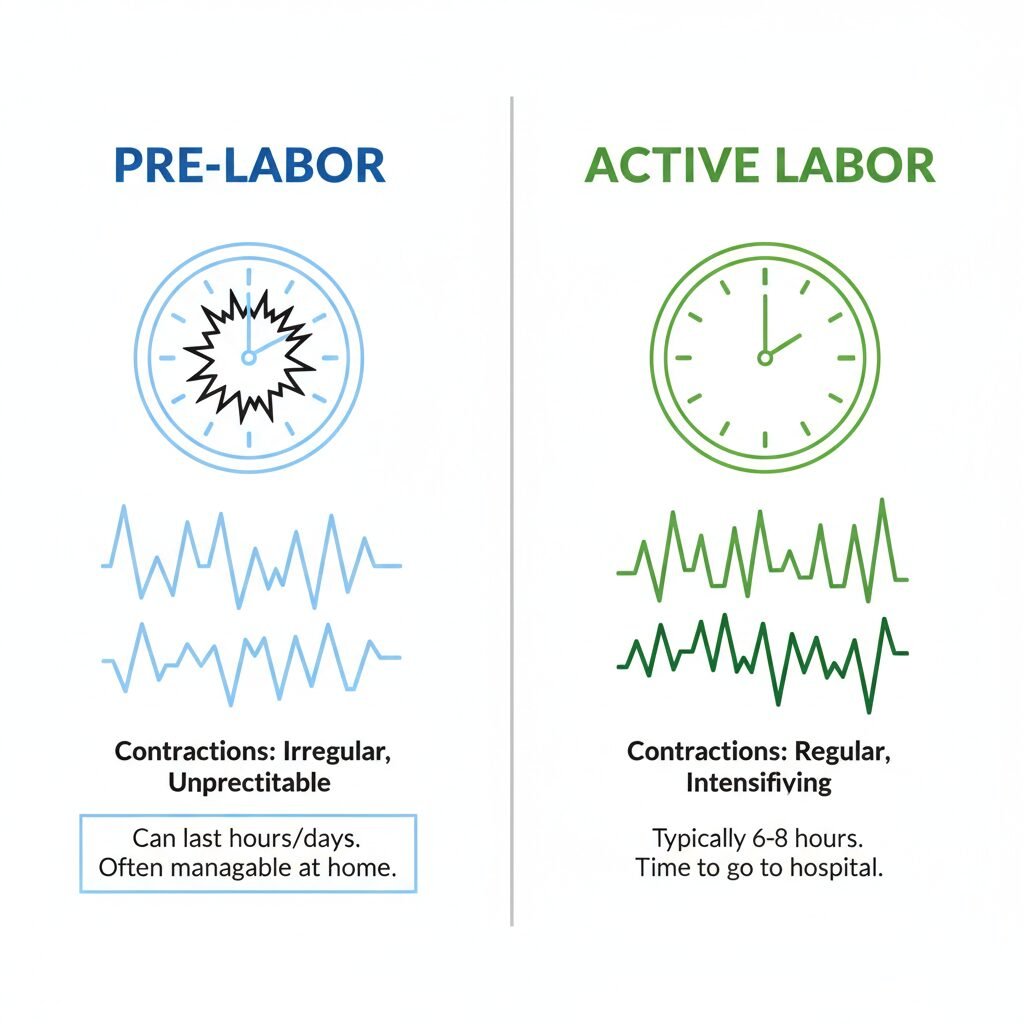
It can be confusing to know when these subtle signs are transitioning into the real deal. The key differences lie in the pattern and progression of contractions. Here is a helpful chart to distinguish between the two stages.
| Feature | Pre-Labor Signs (Braxton Hicks) | Active Labor Contractions |
|---|---|---|
| Frequency | Irregular, do not get closer together. | Come at regular intervals and get progressively closer over time (e.g., from 10 minutes apart to 5, then 3). |
| Duration | Usually last for 30-60 seconds, but duration is inconsistent. | Become progressively longer, often lasting 60-90 seconds. |
| Intensity | Usually mild and do not get stronger. May feel like a tightening or mild cramping. | Steadily increase in strength and intensity. You will eventually be unable to talk through them. |
| Location of Sensation | Often felt only in the front of the abdomen. | Frequently start in the lower back and radiate around to the front. |
| Effect of Activity | Contractions may stop when you walk, rest, or change position. | Contractions continue and intensify regardless of your activity or position changes. |
When to Call Your Doctor or Midwife

Trusting your instincts is paramount. You know your body better than anyone. However, there are specific signs that always warrant a phone call to your healthcare provider, day or night. Don’t ever feel like you are being a bother—they are there to support you.
Make the Call If You Experience:
- Your Water Breaks: This could be a large gush or a slow, steady trickle. Take note of the time, color, and odor of the fluid and call your provider.
- Regular, Strong Contractions: Many providers use the 5-1-1 Rule for first-time parents: contractions that are 5 minutes apart, last for 1 minute each, and have been occurring for at least 1 hour. Your provider will give you their specific instructions.
- Significant Vaginal Bleeding: If you are bleeding heavily (soaking a pad in an hour) like a period, call immediately. This is different from the light spotting of a ‘bloody show.’
- A Decrease in Fetal Movement: If you notice a significant reduction in your baby’s movements, try drinking something cold and sugary and lying on your side to ‘wake them up.’ If you still don’t feel adequate movement, call your provider without delay.
- Any Other Urgent Concerns: Severe headache, vision changes, sudden swelling, or a feeling that something is just ‘not right’ are all valid reasons to seek immediate medical advice.
Conclusion
The end of pregnancy is a journey of patience, anticipation, and profound physical change. While waiting for the clear, undeniable signs of active labor, you can find comfort and confidence in recognizing the quieter signals your body is sending. From the relief of ‘lightening’ to the instinctual urge to nest, each sign is a milestone, a quiet confirmation that your body and your baby are working together to prepare for birth.
Remember to be kind to yourself. Rest when you feel tired, nourish yourself with good food and hydration, and lean on your support system. Your body was built for this incredible journey. Trust its wisdom, trust your instincts, and know that you are getting closer to meeting your baby with every passing day.
Medical Disclaimer: The information provided in this article is intended for general knowledge and informational purposes only, and does not constitute medical advice. It is not a substitute for professional medical advice, diagnosis, or treatment. Always seek the advice of your physician or other qualified health provider with any questions you may have regarding a medical condition. Never disregard professional medical advice or delay in seeking it because of something you have read in this article.


