

The Ultimate Home Birth Kit: What You Actually Need To Buy
Deciding to welcome your baby at home is a powerful and deeply personal choice. It’s a step toward embracing your birth experience in a space where you feel most safe, comfortable, and in control. As you embark on this beautiful journey, one of the most practical steps is assembling your home birth kit. The very idea can feel overwhelming—what do you actually need? How do you separate the essentials from the extras?
Please, take a deep breath. I’m here to walk with you through this process, not just as a doula, but as a supportive voice to quiet the noise. Think of this not as a stressful shopping list, but as an act of nesting—mindfully gathering the tools that will support your body, comfort your mind, and create a peaceful environment for your baby’s arrival. Your midwife will provide many of the core medical supplies, but this guide will help you round out your kit with items for comfort, nourishment, and the precious postpartum period. Let’s build your sanctuary together.
The Core Essentials: Medical Supplies & Midwife-Approved Items
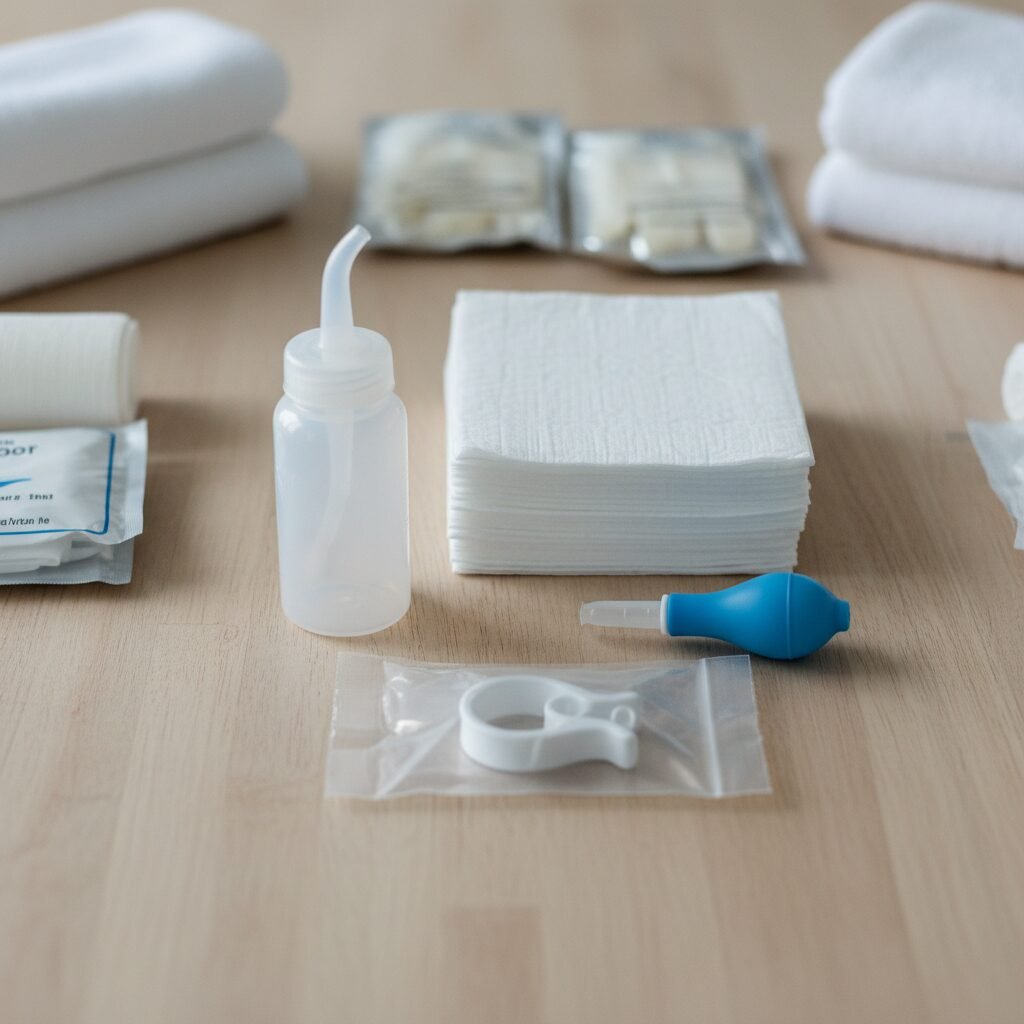
First and foremost, it’s crucial to understand that you are not expected to assemble a mini-hospital room on your own. Your chosen midwife is a trained professional who will bring the primary medical equipment, including a doppler for monitoring the baby’s heart rate, oxygen, anti-hemorrhagic medications, and suturing materials. She will also provide you with a specific list of supplies she requires you to have on hand, and many midwives offer a pre-packaged kit you can purchase directly through them or a trusted supplier. This is your starting point.
Always consult your midwife’s list first. However, the items below are standard in most home birth kits. Understanding their purpose can help you feel more connected to the process and confident in your preparations.
What’s Typically in a Basic Birth Kit:
- Disposable Underpads (Chux Pads): These are large, absorbent pads that are your best friend for protecting your bed, couch, floor, or any other surface you might labor on. You can never have too many!
- Sterile Lubricant: Used for cervical checks to make them more comfortable.
- Peri Bottle (Perineal Irrigation Bottle): This simple squirt bottle will be a soothing comfort after birth. You’ll fill it with warm water to cleanse the perineal area after using the toilet, as wiping can be uncomfortable.
- Maternity & Postpartum Pads: You will need highly absorbent pads for bleeding after birth (lochia). Start with heavy-duty overnight or maternity-specific pads.
- Gauze Pads & Cotton Balls: Sterile gauze is used for various purposes, from wiping baby’s eyes to cord care.
- Umbilical Cord Clamp: A small plastic clamp used to clamp the baby’s umbilical cord before it’s cut. Your midwife will handle this, but it’s part of the standard kit.
- Bulb Syringe: To help clear mucus from the baby’s nose or mouth if needed, though it’s often not necessary with a healthy newborn.
- Newborn Hat: A simple, soft knit hat to help your baby regulate their temperature in their first hours of life.
- Receiving Blankets: You’ll want several old, soft, clean blankets ready to dry and warm the baby immediately after birth. Don’t use your best ones; birth is messy in the most beautiful way.
Remember to ask your midwife: “What supplies do you bring, and what specific items and quantities do you require me to have ready?” Clear communication is key to feeling prepared.
Creating Your Comfort Nest: Items for Labor and Birth

Beyond the medical necessities lies the heart of your home birth preparation: creating an environment that feels like a sanctuary. This is where you get to personalize your space to promote relaxation, movement, and a sense of peace. Your body works best when your mind feels safe. These items are all about facilitating that feeling of security and comfort.
For the Atmosphere:
- Dim Lighting: Labor often progresses best in a dark, quiet environment, which helps produce the hormone oxytocin. Consider using salt lamps, flameless candles, or strands of fairy lights to create a soft, warm glow.
- Music Playlist: Create a few playlists for different moods—calm and meditative for early labor, and perhaps something more upbeat and powerful for active labor.
- Essential Oil Diffuser: Scents can be incredibly powerful. Lavender for calm, peppermint for nausea, or clary sage to support contractions (always check with your midwife before using any essential oils).
- Birth Affirmations: Write or print out positive statements and place them where you can see them. Phrases like “My body knows how to birth my baby” or “I am strong and capable” can be powerful anchors.
For Physical Comfort & Support:
- Birth Pool or Tub: If you’re planning a water birth or simply want to labor in water, this is a key item. You’ll also need a new, clean hose (labeled for drinking water), a faucet adapter, a pool liner, an air pump to inflate it, and a small fishnet for debris.
- Birth Ball: A large exercise ball is fantastic for rocking your hips, leaning on during contractions, and encouraging the baby into an optimal position.
- Lots of Old Towels & Washcloths: Gather more than you think you’ll need. Dark-colored towels are great for hiding stains. Have some for drying off, some for cool compresses on your forehead, and warm compresses for your perineum.
- Waterproof Mattress Covers: Protect your mattress with one or two waterproof covers, or even a simple plastic shower curtain, layered under an old set of soft sheets.
- Comfortable Clothing: You may end up naked, but it’s nice to have options! A soft robe, a large t-shirt, a nursing bra, or a bikini top (for the pool) are all great choices.
Sustenance for the Marathon: Nourishment and Hydration
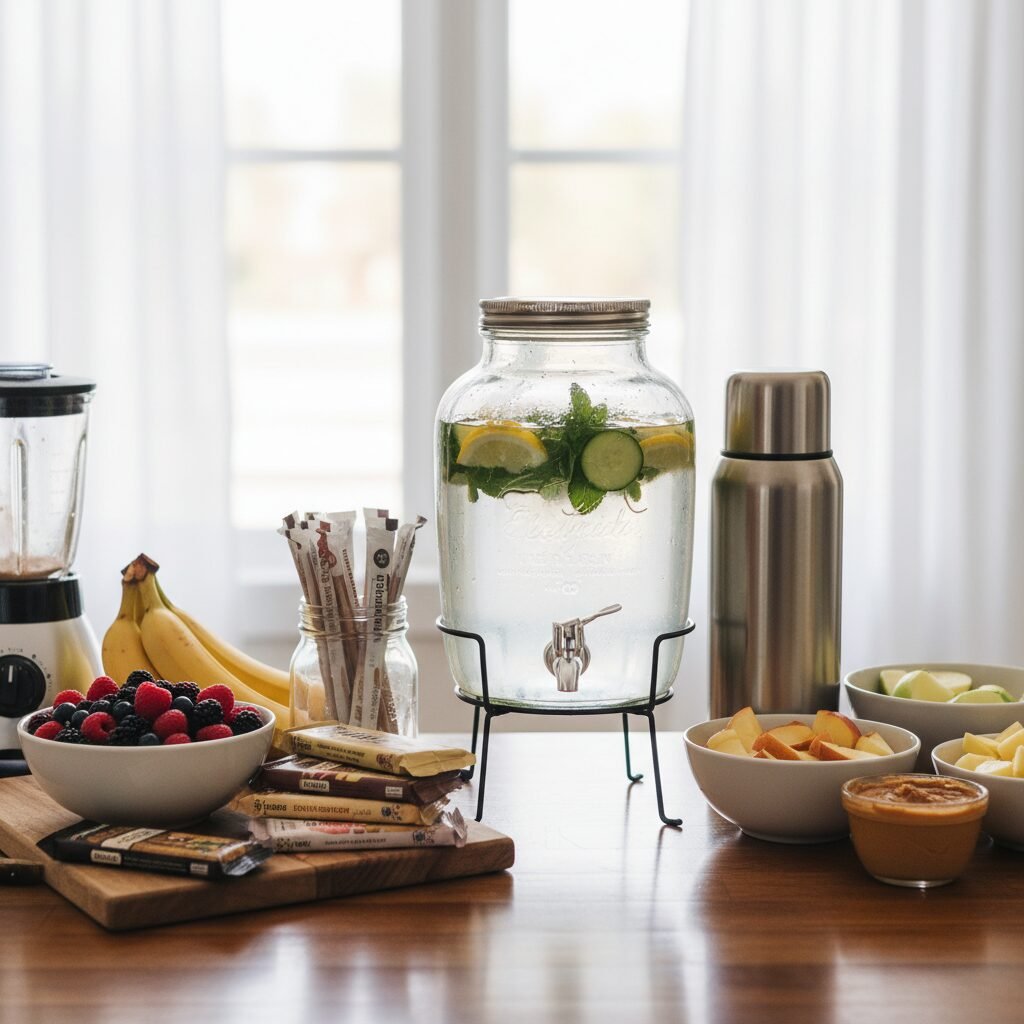
Labor is an athletic event. It requires immense energy, and you wouldn’t run a marathon without fuel. Keeping your body hydrated and nourished is not an indulgence; it’s a necessity for stamina. It’s also vital for your partner and birth team to stay energized so they can best support you.
For the Birthing Person:
Think small, simple, and easy to digest. You may not have a huge appetite, but little sips and bites can make a world of difference.
- Hydration: This is the most critical piece. Have plenty of water, coconut water, or electrolyte drinks on hand. A cup with a straw (or a reusable straw) is a game-changer, making it easy for your partner to hold it for you to sip between contractions.
- Honey Sticks or Gel Packs: A quick, direct shot of glucose for a burst of energy when you feel you’re hitting a wall.
- Bone Broth: Warm, salty, and packed with nutrients, a thermos of bone broth can be incredibly comforting and replenishing.
- Simple Carbohydrates: Things like fruit pouches, unsweetened applesauce, frozen fruit bars, or a simple piece of toast with honey can be easy to get down.
- Soothing Teas: Red raspberry leaf tea (if approved by your midwife) or a calming chamomile can be lovely.
For the Partner & Birth Team:
Your support people need to eat too! A hungry, tired partner is not an effective support person. Pack a cooler with easy-to-grab, non-perishable items so no one has to leave.
- Substantial Snacks: Protein bars, trail mix, nuts, and jerky.
- Simple Meals: Pre-made sandwiches or wraps.
- Caffeinated Drinks: Coffee, tea, or other caffeinated beverages, especially for a long labor that goes through the night.
- Breath Mints: A small but thoughtful item for your partner, especially if they are providing close facial support.
The Golden Hour and Beyond: Immediate Postpartum Supplies

Once your baby arrives, the world seems to slow down. This sacred “golden hour” is a time for skin-to-skin bonding and initiating the first feed. Your needs, and your baby’s, become very simple. The focus shifts from the intensity of labor to the gentle transition of recovery and discovery. Having these items ready means you can stay snuggled up with your newborn without interruption.
For the Birthing Parent’s Recovery:
- Adult Diapers or Mesh Underwear with Pads: Many find adult diapers (like Depends) to be simpler and more secure than pads for the initial heavy postpartum bleeding. They are your best friend for the first few days.
- Herbal Sitz Bath or Padsicles: A sitz bath with healing herbs can be incredibly soothing for a sore perineum. You can also prepare “padsicles” ahead of time by applying witch hazel and aloe vera to maternity pads and storing them in the freezer.
- A Comfortable Robe & Nursing Gown/PJs: You’ll want something soft, loose, and easy to open for nursing and skin-to-skin.
- Nursing Bras or Tanks: Have a few comfortable, non-underwire nursing bras or camisoles ready.
- Nipple Cream: Lanolin or a natural alternative can help soothe sore nipples as you and your baby learn to breastfeed.
For the Newborn:
- Diapers & Wipes: A small pack of newborn-sized diapers and some gentle, water-based wipes.
- Simple Outfits: A few side-snap shirts or zip-up sleepers are perfect. Avoid complicated outfits.
- A Designated “Placenta Bowl”: If you plan to save your placenta for consumption, art, or ceremonial burial, you’ll need a designated container. A large glass or ceramic bowl with a lid works well.
For Cleanup:
- Large Trash Bags: Have several heavy-duty trash bags ready for your birth team to discreetly gather all the used supplies, towels, and trash, making cleanup swift and easy.
- Hydrogen Peroxide: Excellent for treating any bloodstains on fabric or carpet.
The Partner’s Toolkit: A Dad’s Guide to Supporting a Home Birth

For the dads and partners, your role in a home birth is absolutely vital. You are the guardian of the space, the primary emotional support, and the advocate. Being prepared isn’t just about having snacks; it’s about having the tools to be the confident, steady presence your partner needs. This is your toolkit.
What to Have Ready:
- A Written Copy of the Birth Preferences: In the intensity of the moment, it can be hard to remember details. Having a printed copy allows you to advocate for your partner’s wishes without having to ask them.
- Contact List: A clearly written or typed list with phone numbers for the midwife, the backup midwife, the doula, and anyone you need to notify after the baby is born. Have it on paper in case your phone dies.
- Phone & Portable Charger: To take photos and videos (if desired), time contractions, and communicate with the birth team. A portable power bank is essential.
- Comfortable Clothes & Swim Trunks: Labor can be long. Wear something comfortable. If your partner wants you in the birth pool, have your swim trunks ready to go.
- Pain Relief Tools: Be ready to offer support. This includes having a rice sock you can heat in the microwave for a warm compress, massage oil, and strong hands ready for counter-pressure on her lower back.
- Your Own Sustenance: Do not forget your own water bottle and snacks. You cannot pour from an empty cup. Staying hydrated and fed is part of your job.
- A Watch with a Second Hand: Useful for timing contractions or taking the baby’s respiratory rate, as guided by the midwife.
Your calm presence is the most important thing you bring. You know your partner better than anyone. Trust your instincts, offer unwavering encouragement, and remember that your support is a powerful, irreplaceable part of this experience.
Conclusion
As you check the final items off your list and tuck everything into a basket or bin, take a moment to pause. Look at what you’ve gathered. This kit is more than just a collection of supplies; it’s a tangible symbol of your love, preparation, and commitment to bringing your baby into the world in a way that feels right for your family. You have thoughtfully created a circle of safety and comfort for one of life’s most profound events.
Trust in the process, trust in your body, and trust in the team you have chosen to support you. You are strong, you are capable, and you are ready. All that’s left to do is wait, rest, and anticipate the beautiful moment when you will finally meet your baby.
Medical Disclaimer
The information provided in this article is for educational and informational purposes only and is not intended as medical advice. It is not a substitute for professional medical advice, diagnosis, or treatment. Always seek the advice of your physician, midwife, or other qualified health provider with any questions you may have regarding a medical condition or health objectives. Planning a home birth should always be done in consultation with a qualified and licensed care provider.