50+ Baby Essentials You Need To Buy Used To Save $1,000s
Welcoming a new baby is an exhilarating journey, but the financial preparation can feel overwhelming. The list of ‘must-have’ baby items seems endless, and the costs can quickly spiral into the thousands. As a doula and maternal health educator, I’ve supported countless families as they navigate this new chapter. One of the most empowering pieces of advice I share is this: you do not need to buy everything new. In fact, strategically purchasing gently used baby essentials is one of the smartest, most sustainable, and budget-friendly decisions you can make.
The secondhand market for baby gear is vast and full of high-quality items that were used for only a few short months. By being a savvy shopper, you can create a beautiful, safe, and well-equipped environment for your baby while saving a significant amount of money—funds that can be better used for childcare, savings, or those precious family experiences. This guide is your definitive checklist for navigating the world of used baby gear. We’ll break down exactly what to look for, what to inspect, and—most importantly—what items should always be purchased new for safety reasons. Let’s build your baby’s world, beautifully and affordably.
The ‘Absolutely Yes’ List: Gently Used Gear to Snag Immediately
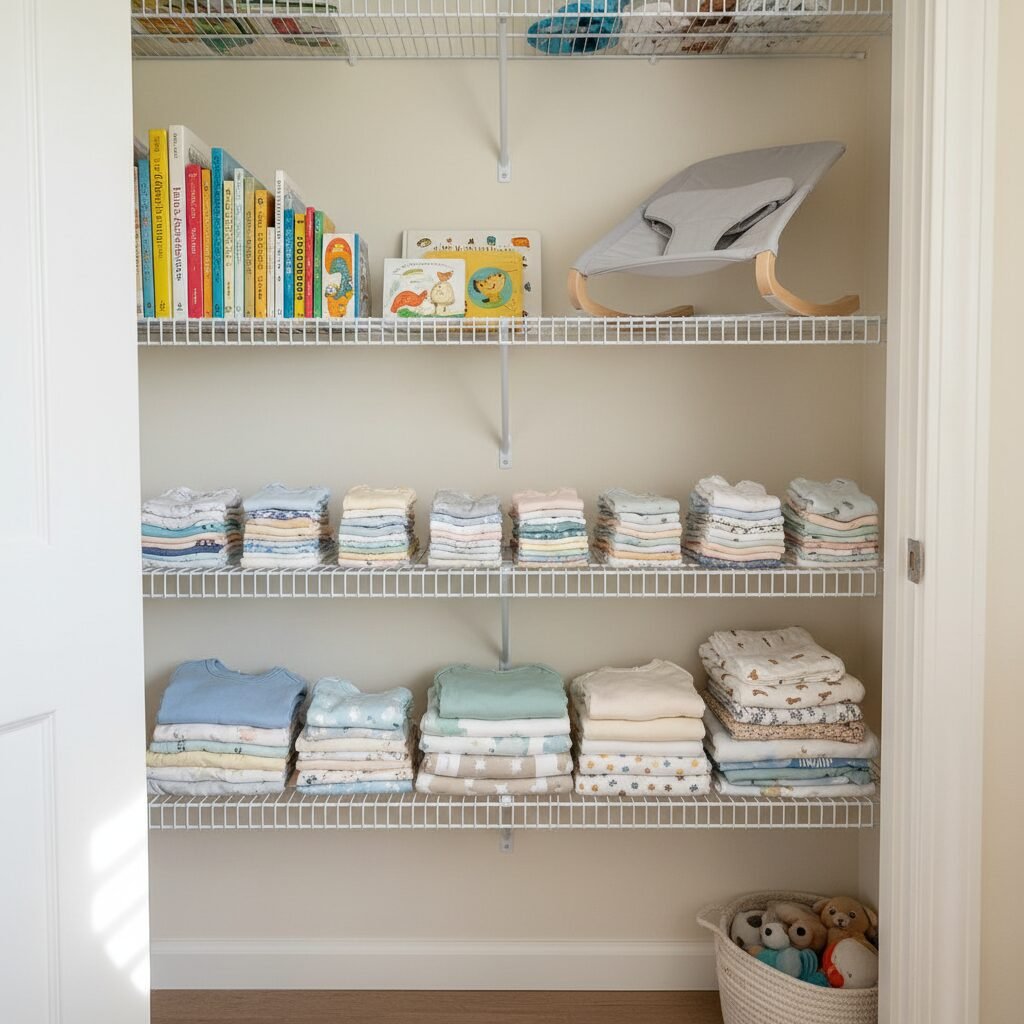
These items have a short lifespan of use, are easy to clean, and pose minimal safety risks when purchased secondhand. This is your green-light list for immediate savings. Babies outgrow these things in a flash, meaning you can often find them in near-perfect condition.
Clothing & Linens
- Baby Clothes: Especially newborn and 0-3 month sizes. Babies live in onesies, sleepers, and swaddles for the first few months and grow out of them before they can cause any real wear and tear. Look for bundles on Facebook Marketplace for the best value.
- Swaddles & Sleep Sacks: These can be expensive new, but are perfectly safe to buy used. Just check for functioning zippers and velcro and give them a thorough wash.
- Receiving Blankets: You can never have too many. They are versatile and easy to sanitize in a hot wash cycle.
- Crib Sheets: As long as they are free of stains and tears, and fit a standard crib mattress snugly, they are a great used purchase.
Nursery Furniture & Decor
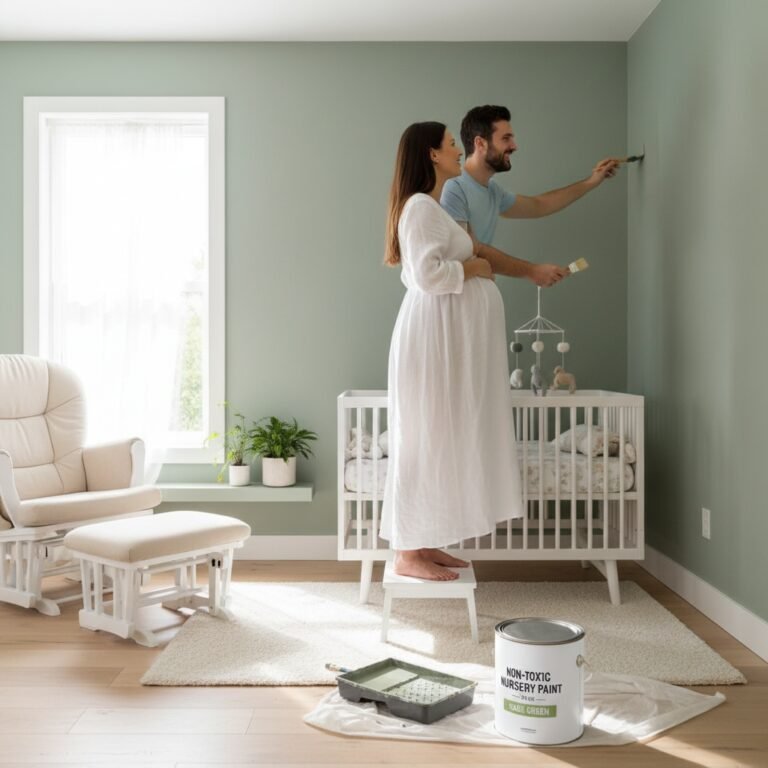
- Changing Table or Dresser: A sturdy piece of furniture is a great secondhand find. Ensure it’s stable and has no peeling paint (especially in older models which may contain lead). Anchor it to the wall for safety.
- Glider or Rocking Chair: These are nursery staples for late-night feedings. Check the frame for stability and the upholstery for stains. Many have removable, washable covers.
- Nursery Decor: Items like mobiles (hang them securely and out of baby’s reach), wall art, and shelving are perfect for buying used.
- Toy Chest/Storage Bins: Essential for organization and readily available secondhand.
Play & Development
- Play Gyms & Activity Mats: These are typically used for less than six months. Most have machine-washable mats and plastic toys that are easy to sanitize.
- Bouncers & Baby Swings: Lifesavers for many parents. Check the manufacturing date (avoid models older than a few years), ensure all straps and buckles work, and verify it hasn’t been recalled on the CPSC (Consumer Product Safety Commission) website.
- Board Books: Building a library for your little one is a joy, and used bookstores or parent groups are goldmines for inexpensive board books. Just wipe them down.
- Hard Plastic or Wooden Toys: Toys without batteries or complex parts can be easily washed and disinfected. Avoid anything with small, loose parts.
Bathtime & Feeding Gear
- Baby Bathtub: A simple plastic tub is incredibly easy to sanitize and is only used for a short period.
- Bottle Warmer & Sterilizer: These appliances can be costly new. Test to make sure they function correctly and run a descaling/cleaning cycle before use.
- High Chair: Look for models that are easy to wipe down. Check the straps, buckles, and stability. Ensure there are no cracks in the plastic where food can get trapped.
- Diaper Pail: A quick scrub with a bleach solution or vinegar will have it ready for your nursery.
The ‘Inspect with Confidence’ List: Big-Ticket Items for Big Savings
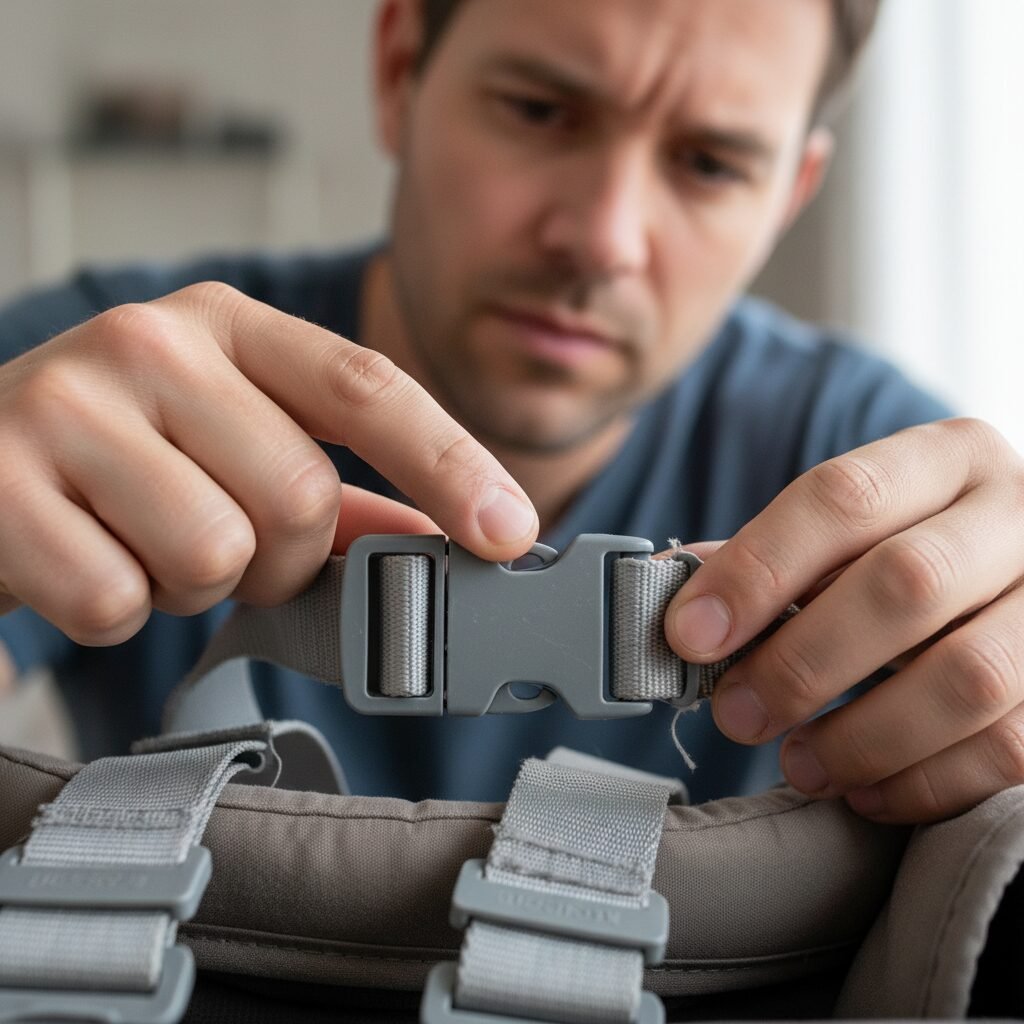
This category includes more expensive items that can yield huge savings but require a more thorough inspection before you commit. Your mantra here is: Check for Recalls, Test Every Function, and Trust Your Gut.
Travel Systems & Carriers
- Strollers: A high-end stroller can cost over $1,000 new, but you can find them for a fraction of the price used.
Stroller Inspection Checklist:
- Check for Recalls: Find the model number and check the CPSC website.
- Test the Brakes: Engage the parking brake on a slight incline to ensure it holds firm.
- Fold & Unfold: Practice folding and unfolding it multiple times to ensure the mechanism is smooth and locks securely.
- Inspect the Wheels: Check for significant wear and ensure they spin freely and lock properly if applicable.
- Examine the Harness: Buckle and unbuckle the 5-point harness to ensure it’s functioning perfectly. Check the straps for any fraying.
- Baby Carriers, Wraps, & Slings: These are fantastic for bonding and hands-free parenting. Inspect every inch of the fabric for tears or thinning, especially near the seams. Test all buckles, clasps, and adjustments to ensure they are secure. For wraps, ensure there are no holes or significant stretching.
Nursery Big-Ticket Items
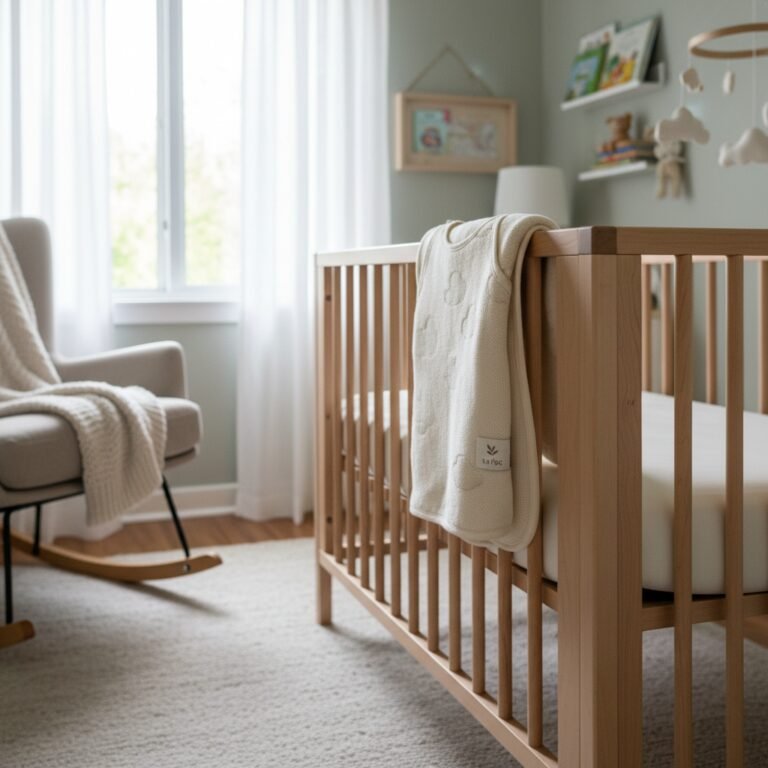
- Wooden or Metal Cribs: You can safely buy a crib secondhand, but with strict rules. It must meet modern safety standards (e.g., no drop-sides, slats no more than 2 3/8 inches apart). Check the CPSC for recalls. Inspect every joint to ensure it’s structurally sound, with no cracks in the wood or peeling paint. You will always buy a new mattress.
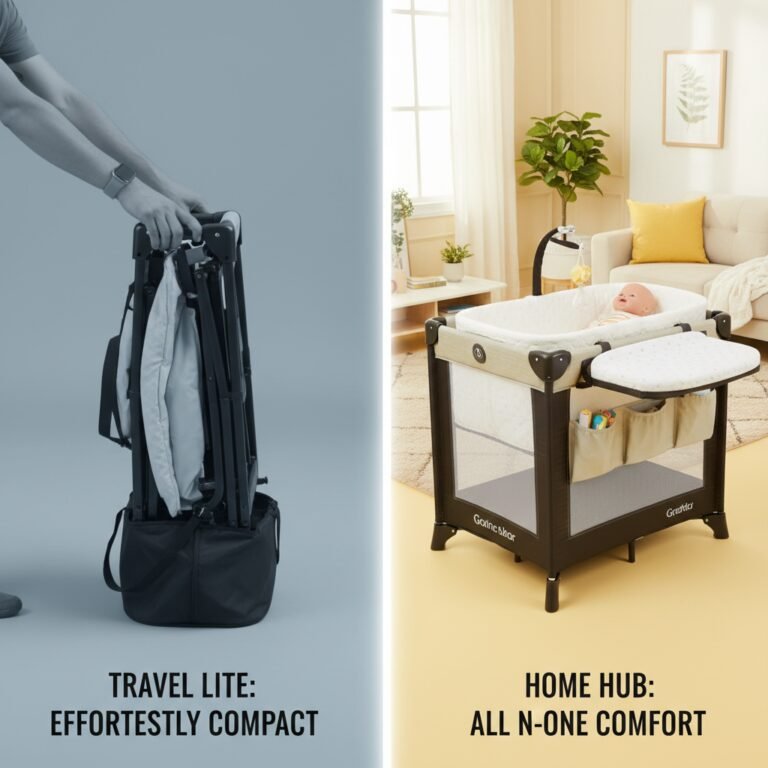
- Bassinets & Co-Sleepers: Like cribs, check for recalls and structural integrity. Ensure the sleeping surface is flat and firm, and that all mesh siding is fully intact with no holes or tears.
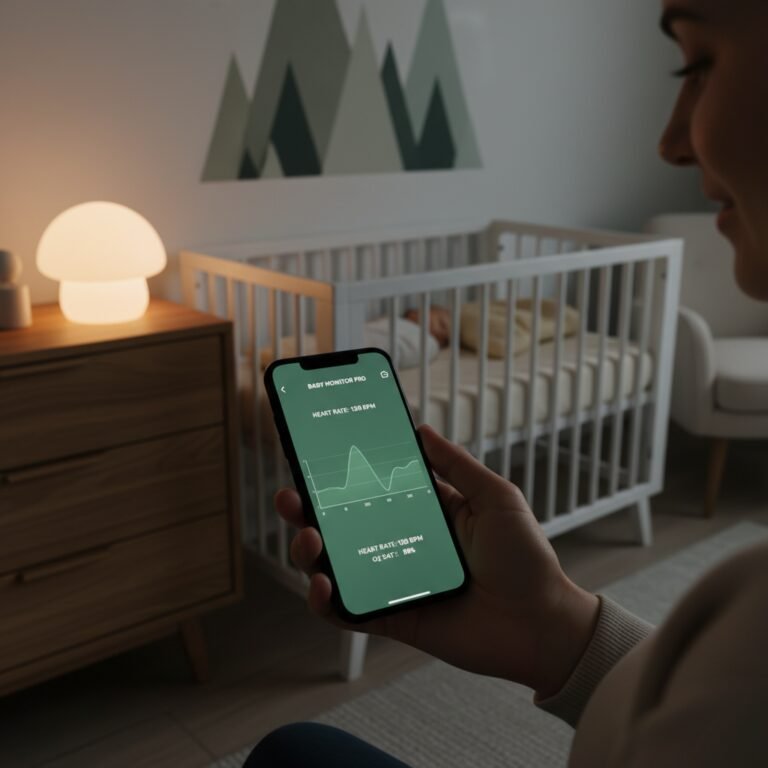
- Baby Monitors: Video and audio monitors can be a great used purchase. Always test the range, battery life, and connectivity in your own home before relying on it. Ensure you can reset it to factory settings for security.
A note on recalls: Before purchasing any durable baby product, from a swing to a stroller, take a moment to search the model on the CPSC.gov website. It’s a simple step that provides immense peace of mind.
The ‘Never Buy Used’ Safety-Critical List
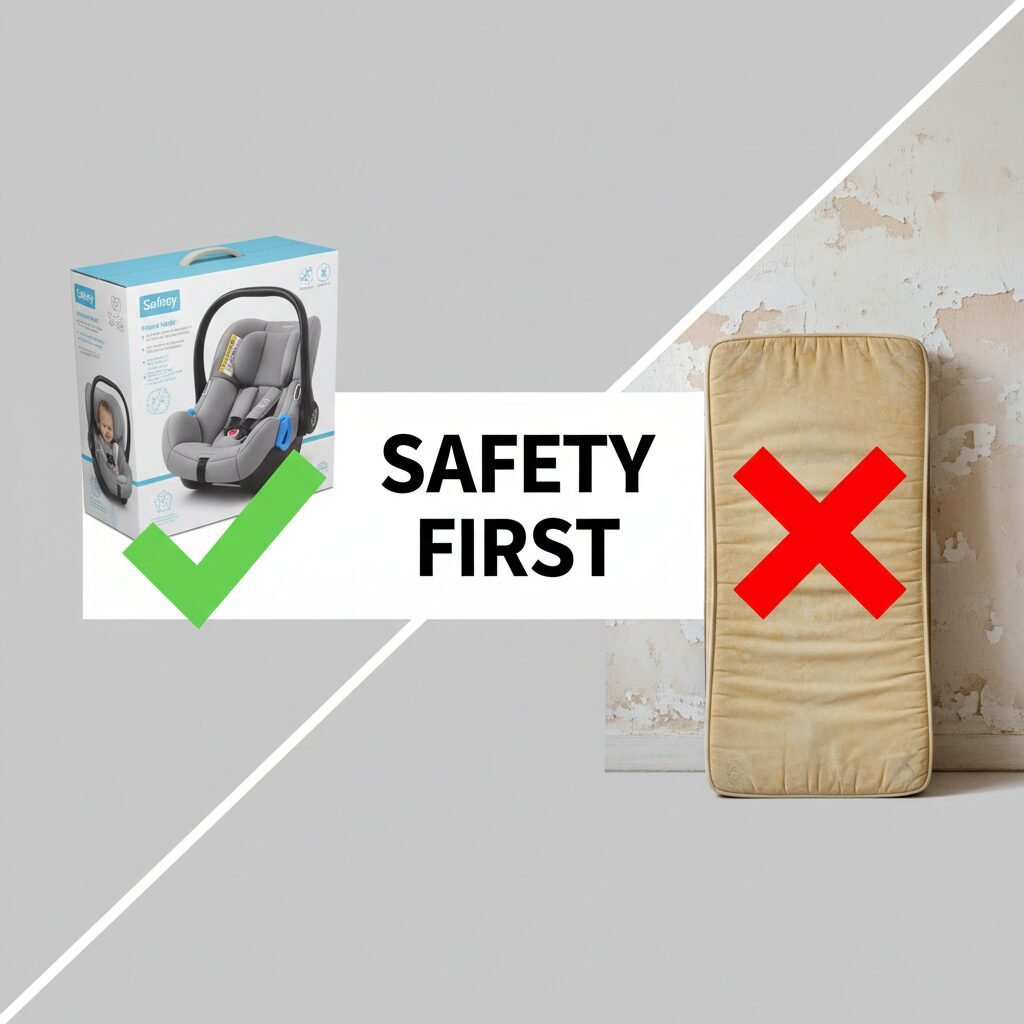
While saving money is a wonderful goal, it should never come at the expense of your baby’s safety. Some items have hidden histories, hygiene concerns, or material degradation that make them unsafe to pass on. For the following items, always buy new. No exceptions.
1. Car Seats
This is the most important rule of secondhand shopping. A used car seat is a complete unknown. You have no way of knowing its history. It could have been in a car accident (even a minor one can cause hairline fractures that compromise its integrity), it could be expired (yes, they have expiration dates stamped on them), or it could have been cleaned with harsh chemicals that degrade the harness straps. The life of your child is worth the cost of a new, reliable car seat that you have registered with the manufacturer for recall notices.
2. Crib Mattresses
Used mattresses can be a breeding ground for bacteria, mold, and mildew from diaper leaks or spit-up that you can’t see. More importantly, they can lose their firmness over time, creating soft spots that increase the risk of SIDS (Sudden Infant Death Syndrome). A firm, flat, new mattress is a critical component of a safe sleep environment.
3. Breast Pumps
Unless you are purchasing a ‘closed-system’ or ‘hospital-grade’ pump from a trusted source, it’s best to buy new. ‘Open-system’ pumps can harbor milk particles in the motor and tubing that are impossible to fully sterilize, posing a risk of transmitting bacteria and viruses. Many insurance plans now cover the cost of a new breast pump, so be sure to check your benefits.
4. Items That Go in Baby’s Mouth
This category is all about hygiene and material breakdown.
- Pacifiers & Bottle Nipples: These items can develop microscopic cracks and tears with use, which can harbor bacteria. They also break down over time, posing a choking hazard. Always start fresh.
- Teething Toys: For the same reasons as above, it’s best to buy new. You want to be certain of the material and its integrity as your baby will be chewing on it constantly.
- Sippy Cups & Spoons: While the cup itself might be fine, it’s wise to replace any soft spouts or straws. It’s often just as easy and affordable to buy the whole thing new.
Investing in new safety-critical items isn’t about luxury; it’s about providing the safest possible start for your child and giving yourself invaluable peace of mind.
Your Guide to Finding and Cleaning Secondhand Treasures
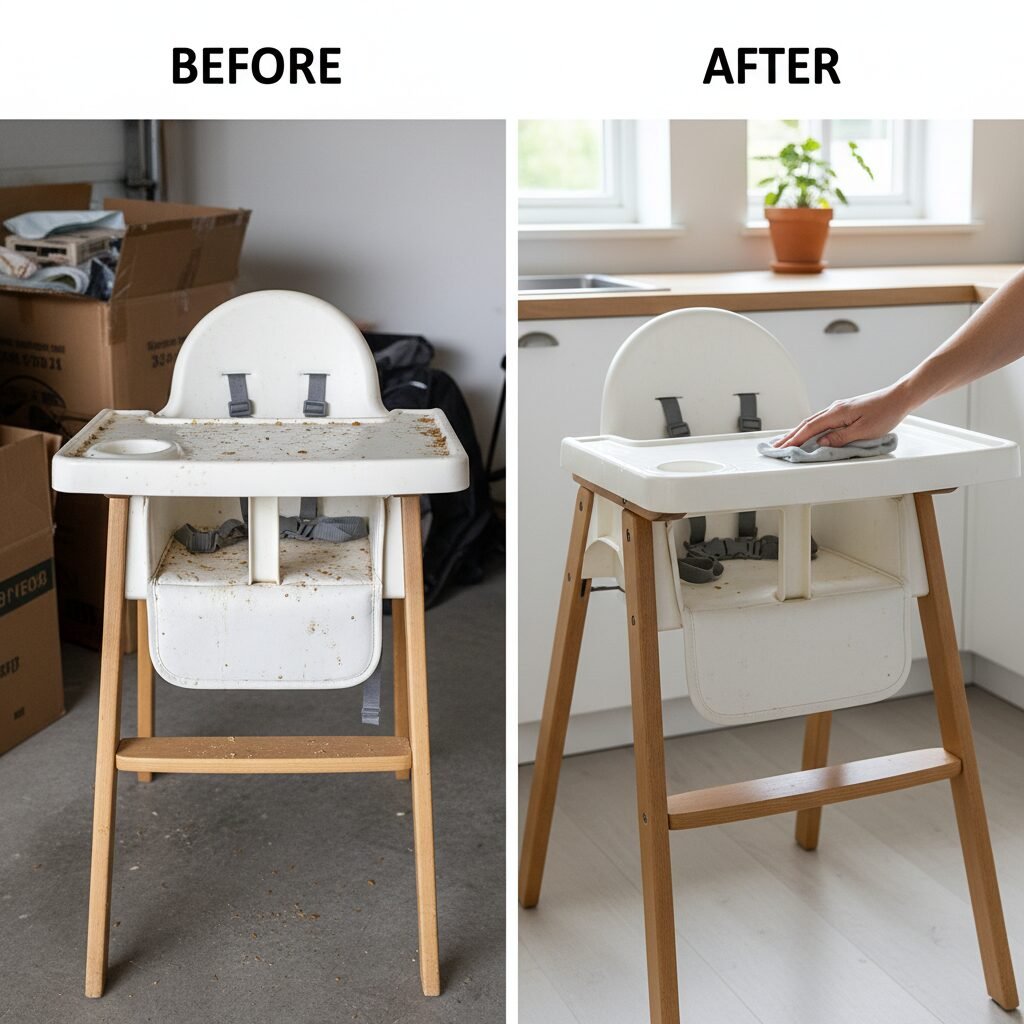
Now that you know what to look for, where do you find these amazing deals? And once you bring them home, how do you ensure they are perfectly clean and safe for your baby? Here’s your action plan.
Where to Find the Best Used Baby Gear
- Local Parenting Groups (Facebook, etc.): Often the best source. Parents are typically selling high-quality items their own children have just outgrown. You can ask questions and see the item in person.
- Facebook Marketplace: A huge selection, but requires careful vetting of sellers and items. Always meet in a safe, public place.
- Consignment Stores & Events: Stores like Once Upon A Child or seasonal events like Just Between Friends are great because they often have basic safety checks in place and you can see a large variety of items at once.
- OfferUp & Craigslist: Similar to Marketplace, these platforms have a wide variety of goods. Use caution and inspect thoroughly before paying.
- Friends & Family: Don’t be shy! Let your network know what you’re looking for. Many experienced parents are thrilled to pass on their gently used gear to someone they know.
How to Sanitize Your Secondhand Haul
A thorough cleaning is the final step to ensuring your used items are ready for your baby.
For Hard, Non-Porous Surfaces (Plastic Toys, High Chairs, Changing Tables):
- Start with a basic cleaning using soap and hot water to remove any surface grime.
- For disinfection, use a solution of diluted bleach (1/3 cup of bleach per 1 gallon of water) or a ready-made disinfecting wipe/spray. Let the surface air dry.
- For a non-toxic option, a solution of equal parts white vinegar and water can be used to clean and disinfect.
- Rinse with plain water afterward to remove any residue, especially for items baby might put in their mouth.
For Machine-Washable Fabrics (Clothing, Linens, Carrier Fabric, Bouncer Seats):
- Remove the fabric components from any gear.
- Wash in the washing machine on a hot cycle, if the material allows.
- Use a gentle, baby-safe, fragrance-free detergent. Consider adding a cup of white vinegar to the rinse cycle as a natural fabric softener and disinfectant.
- Tumble dry on high heat to kill any remaining germs, or hang in direct sunlight, which is a natural disinfectant.
For Upholstery & Non-Removable Fabrics (Gliders, Strollers):
- Vacuum thoroughly using a crevice tool to get into all the nooks and crannies.
- Use a steam cleaner if you have one, as the high heat is excellent for killing germs and dust mites.
- Spot treat any stains with a mixture of gentle soap and water or an upholstery cleaner. Always do a patch test in an inconspicuous area first.
- Let the item air dry completely, preferably in the sun.
Conclusion
Preparing for a baby is a profound act of love, and part of that is making thoughtful, responsible choices for your growing family. Embracing the world of secondhand essentials is a powerful way to do just that. It allows you to provide everything your baby needs without succumbing to the financial pressure of buying everything brand new. It’s a sustainable choice for the planet and a savvy choice for your wallet.
Remember the core principles: be relentless about safety, always checking for recalls and avoiding the ‘never buy used’ items. Inspect everything with a critical eye, clean it with care, and trust your parental instincts. By doing so, you’re not just saving money; you’re building a secure foundation for your family’s future, one smart, pre-loved purchase at a time. Welcome to parenthood—you’ve got this.